What If Hotel Denies Unsafe Conditions? Your Rights
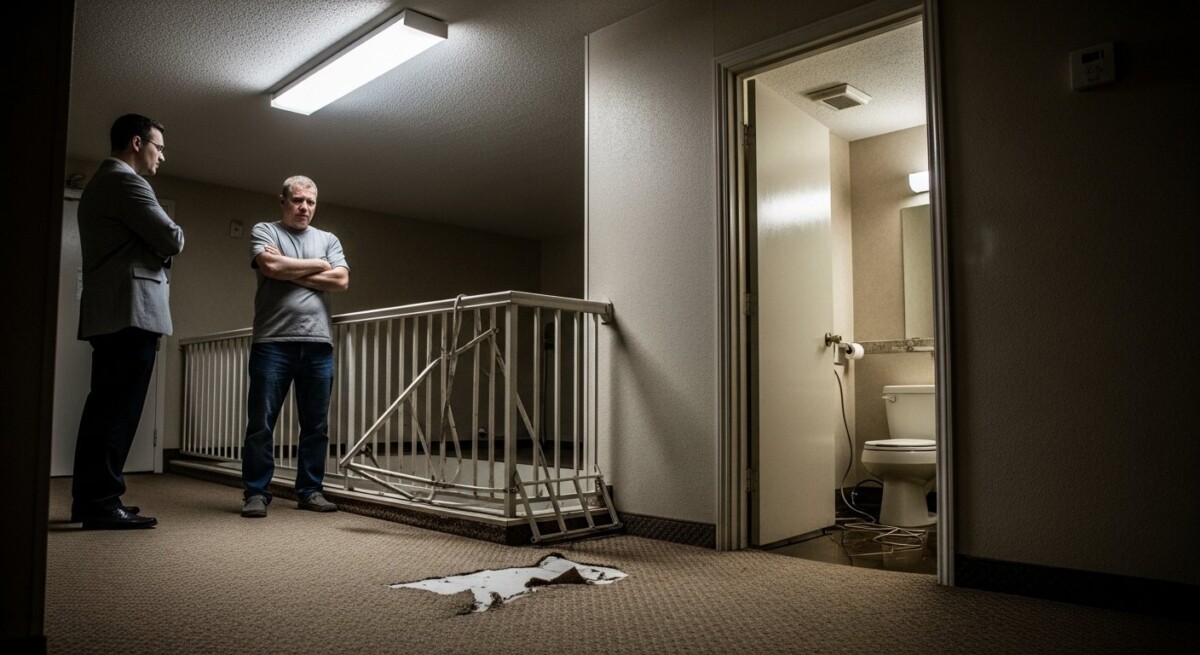
You check into a hotel room after a long day, expecting a safe place to rest. But the carpet is visibly torn, the balcony railing wobbles, or the bathroom has standing water near exposed wiring. When you report these issues to the front desk, the manager dismisses your concerns or flatly denies that any unsafe condition exists. This scenario is more common than many travelers realize, and it leaves guests wondering what their legal options are. If a hotel denies unsafe conditions, you still have rights under premises liability law, and you may be entitled to compensation if an injury occurs. Understanding how to handle this situation can protect your health and your legal claim.
Hotels owe their guests a duty of reasonable care to maintain safe premises. This means they must inspect for hazards, repair known dangers, and warn guests of risks they cannot immediately fix. When a hotel denies an unsafe condition, it does not erase that duty. In fact, a denial can become evidence of negligence if the hotel failed to investigate or acted unreasonably. Whether you are dealing with a slip and fall, a bed bug infestation, or a structural defect, the key is to document everything and seek legal guidance promptly.
Why Hotels Deny Unsafe Conditions
Hotels are businesses focused on reputation and profit. Admitting that a room or facility is unsafe can lead to negative reviews, refund demands, and even lawsuits. As a result, front desk staff and managers often deny or downplay hazards to avoid immediate conflict. They might say something like, ‘That is just normal wear and tear,’ or ‘No one else has complained about that.’ These statements are not legal determinations. They are defensive reactions designed to minimize liability.
Another reason hotels deny unsafe conditions is a lack of proper training. Employees may not recognize genuine hazards or may fear retaliation from management if they acknowledge problems. In some cases, the denial is a deliberate strategy to discourage guests from filing formal complaints or seeking medical attention. Regardless of the motive, a denial does not change the fact that the hotel had a legal obligation to provide a safe environment.
Your Legal Rights When a Hotel Denies a Hazard
Under premises liability law, a hotel can be held responsible for injuries caused by hazardous conditions that it knew about or should have known about. If the hotel denies the condition existed, your case will hinge on evidence that the hazard was present and that the hotel had reasonable time to discover and fix it. The legal standard is not whether the hotel admitted fault. It is whether a reasonable hotel would have identified and corrected the problem.
If you are injured after reporting an unsafe condition that the hotel denied, your claim becomes stronger. The denial shows that the hotel was on notice of the issue and chose not to act. Courts often view this as evidence of negligence or even reckless disregard for guest safety. You may be entitled to compensation for medical bills, lost wages, pain and suffering, and other damages.
What Counts as an Unsafe Condition
Not every minor issue qualifies as an unsafe condition in a legal sense. To support a claim, the hazard must pose a foreseeable risk of harm. Common examples include:
- Wet floors without warning signs, leading to slip and fall accidents
- Broken locks on doors or windows, creating security risks
- Mold, bed bugs, or other unsanitary conditions that cause illness
- Faulty electrical outlets or exposed wiring near water sources
- Unstable furniture, loose railings, or broken stairs
If you report any of these and the hotel denies the problem, take immediate steps to preserve evidence. Take photos and videos of the hazard from multiple angles. Write down the date, time, and name of the employee who denied your concern. Ask for a written incident report or file a formal complaint with the corporate office. These records can be critical later if a lawyer needs to prove the hotel was aware of the danger.
Steps to Take After a Hotel Denies an Unsafe Condition
When a hotel denies your safety concern, do not simply accept the response and move on. Your health and legal rights depend on how you respond. Follow these steps to protect yourself:
- Document the hazard immediately. Use your smartphone to take clear photos and videos. Capture wide shots that show the location and close-ups that show the defect. If possible, include a time stamp or a newspaper in the frame to prove the date.
- Report the issue in writing. Send an email to the hotel manager or corporate customer service. Describe the hazard, the date you reported it, and the name of the employee who denied it. Keep a copy for your records.
- Request a different room. If the hazard makes your current room unsafe, ask to be moved. If the hotel refuses, note that refusal in your documentation. A failure to offer alternative accommodation can be used as evidence of negligence.
- Seek medical attention if injured. Even minor injuries should be evaluated by a doctor. Some injuries, like head trauma or internal injuries, may not show symptoms immediately. A medical record creates a link between the hazard and your injury.
- Consult a premises liability attorney. An experienced lawyer can evaluate your case, gather additional evidence, and negotiate with the hotel’s insurance company. Many personal injury lawyers offer free initial consultations, which makes this step accessible even if you are unsure about pursuing a claim.
Taking these steps promptly can make the difference between a successful claim and a denied one. Hotels and their insurers will scrutinize your actions. If you waited weeks to report the hazard or seek medical care, they may argue that your injury was not serious or that the hazard was not the cause.
How to Prove the Hotel Knew About the Hazard
Proving that a hotel knew about an unsafe condition is often the hardest part of a premises liability case. Hotels will frequently deny knowledge, especially if the hazard was temporary or appeared suddenly. However, there are several ways to establish that the hotel had notice:
- Prior complaints from other guests, which can be obtained through discovery or online reviews
- Maintenance records showing that the same issue was reported and not repaired
- Video surveillance footage that shows the hazard existed for an extended period
- Employee testimony or internal communications that reference the problem
- Your own documentation of the denial, including the employee’s name and the date of your report
If the hotel denies unsafe conditions after you report them, the burden shifts to the hotel to show that it acted reasonably. A denial without investigation is rarely considered reasonable. An attorney can help you subpoena records and depose employees to uncover the truth. In many cases, the mere threat of litigation prompts the hotel to settle rather than face a jury trial.
What If the Hotel Denies Unsafe Conditions After an Injury
If you are already injured and the hotel denies that the condition was unsafe, your case becomes a battle of evidence versus denial. The hotel may argue that you caused the accident through your own negligence or that the hazard was open and obvious, meaning you should have avoided it. These defenses are common, but they are not always successful.
For example, if you slipped on a wet floor that had no warning sign, the hotel cannot claim the hazard was obvious. Similarly, if the hotel knew about a broken step but did not fix it, they cannot blame you for using the stairs. A skilled attorney can counter these defenses by presenting your documentation and expert testimony about industry safety standards.
Remember that insurance companies are not on your side. The hotel’s insurer will look for any reason to deny or reduce your claim. Having legal representation levels the playing field. Your lawyer can handle all communication with the insurance adjuster and ensure that your rights are protected throughout the process.
Frequently Asked Questions
Can I sue a hotel if they denied my safety complaint but I was not injured?
Generally, you cannot sue for damages without an actual injury. However, you may have a claim for breach of contract if the hotel failed to provide a safe room as promised in its booking terms. You can also file a complaint with the local health department or building inspector, which may result in fines or required repairs.
What if the hotel denies unsafe conditions and then tries to charge me for damages?
Some hotels retaliate by charging guests for alleged damage to the room. If you reported a pre-existing hazard, document the condition before you leave. Dispute any unauthorized charges with your credit card company and provide your evidence. An attorney can also send a demand letter to stop the harassment.
How long do I have to file a lawsuit after a hotel injury?
Each state has a statute of limitations for personal injury claims, typically ranging from one to three years. Some states have shorter deadlines for claims against government-owned hotels or resorts. Consult an attorney as soon as possible to avoid missing the deadline.
Do I need a lawyer if the hotel offers a settlement after denying the condition?
Yes. Initial settlement offers from hotels or their insurers are often far lower than what your case is worth. An attorney can evaluate the offer, calculate your full damages, and negotiate for a fair amount. Accepting a low offer may waive your right to seek additional compensation later.
Why FreeLegalCaseReview.com Can Help
If a hotel denies unsafe conditions and you suffer an injury, you do not have to fight alone. FreeLegalCaseReview.com connects you with qualified personal injury attorneys who handle premises liability cases across the United States. Our free, confidential case evaluation helps you understand your options without any obligation. You pay nothing upfront, and we only work with attorneys who have a proven track record of holding negligent hotels accountable.
Your safety and recovery matter. When a hotel denies a hazard, they are gambling with your wellbeing. Do not let them avoid responsibility. Contact us today to speak with a lawyer who can protect your rights and help you seek the compensation you deserve.