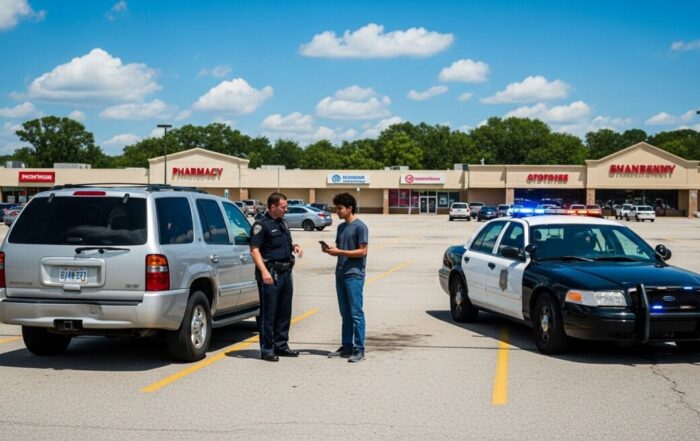
What If Fault Is Disputed After a Car Accident
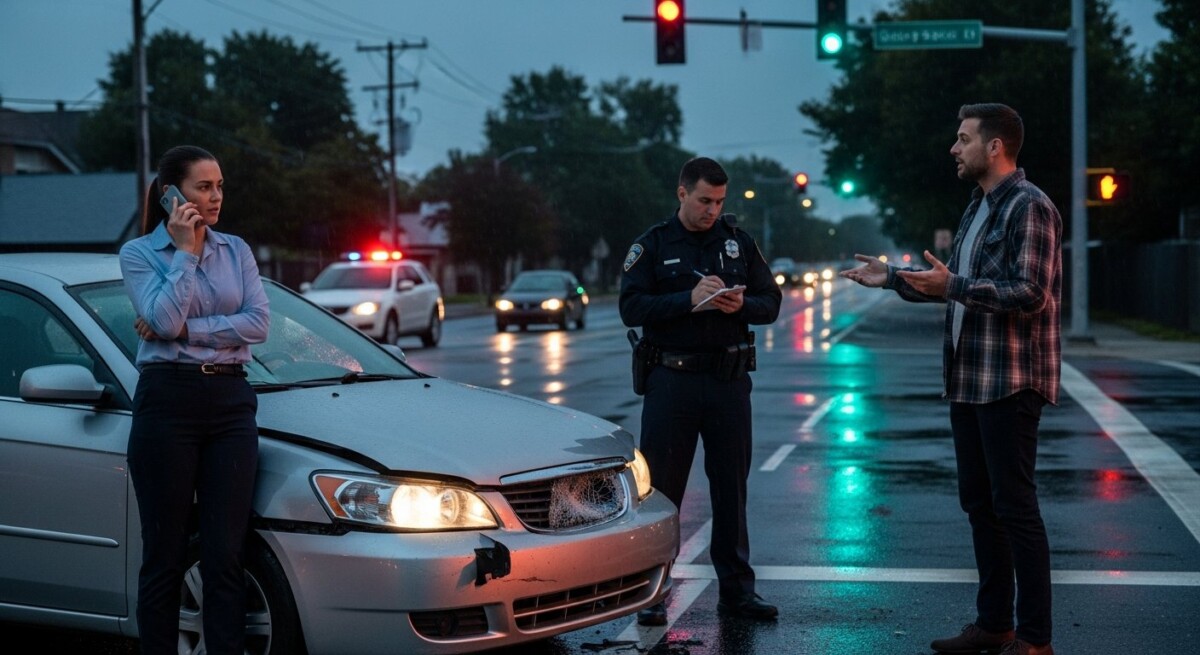
You are sitting in your damaged car, waiting for the police to arrive, replaying the crash in your head. The other driver insists you ran the red light. You are certain you had a green. The officer takes statements, but no one issues a citation. Days later, the insurance adjuster calls and says the other driver’s version of events conflicts with yours. Liability is now in question. This scenario is more common than most people realize. Disputes over fault can delay your claim, reduce your settlement, or even leave you with nothing if you do not handle them correctly. Understanding what happens when fault is contested and knowing how to respond can make the difference between receiving fair compensation and walking away empty-handed.
When liability is unclear, insurance companies often use the confusion to their advantage. They may delay payment, offer a lowball settlement, or deny the claim entirely. The burden of proof shifts to you, the injured party, to demonstrate that the other driver was responsible. This can feel overwhelming, especially while you are recovering from injuries and dealing with lost wages. But you have options. By gathering the right evidence, understanding the legal rules in your state, and knowing when to bring in a professional, you can protect your rights and improve your chances of a favorable outcome.
Why Fault Disputes Happen
Fault disputes arise for many reasons, and they are not always about dishonesty. Sometimes both drivers genuinely believe they had the right of way. Other times, witnesses give conflicting accounts, or physical evidence like skid marks and vehicle damage tells an ambiguous story. In some cases, the other driver may simply refuse to accept responsibility because they fear an increase in their insurance premiums or a lawsuit. Regardless of the reason, the result is the same: your claim is stuck in limbo.
Common scenarios that lead to disputes include red-light and stop-sign intersections, parking lot collisions, multi-car pileups, and accidents where no independent witnesses exist. Rear-end collisions are usually straightforward, with the trailing driver presumed at fault, but even those can be contested if the lead driver claims they stopped suddenly or had a brake light out. When fault is disputed, the insurance adjuster looks for evidence to determine who is legally liable. If the evidence is inconclusive, they may assign a percentage of fault to each party, which directly affects your payout.
How Fault Is Determined When It Is Disputed
Insurance companies and courts use a legal standard called negligence to assign fault. To prove negligence, you must show that the other driver owed you a duty of care, breached that duty, and caused your injuries as a result. When fault is disputed, the adjuster or judge weighs all available evidence to decide whether these elements are met.
Evidence plays a central role in this process. The following items are often critical in resolving a fault dispute:
- Police report: The responding officer’s narrative and diagram of the scene carry significant weight. If the officer notes a violation or cites one driver, that helps establish fault.
- Photographs and video: Images of vehicle positions, damage, road conditions, and traffic signals can tell a story. Dashcam footage or nearby security camera recordings are especially powerful.
- Witness statements: Independent witnesses who saw the crash and have no connection to either driver can provide objective accounts.
- Cell phone records: If one driver was texting or on a call at the time of the accident, those records can prove distraction.
Each piece of evidence strengthens your position. Without it, the insurance company may rely on the other driver’s version or simply deny the claim for lack of proof. This is why acting quickly after an accident is essential. Memories fade, witnesses disappear, and physical evidence gets cleaned up. The sooner you document the scene, the better your chances of overcoming a fault dispute.
Comparative and Contributory Negligence Rules
Your ability to recover compensation when fault is disputed depends heavily on the negligence laws in your state. The United States follows two main systems: comparative negligence and contributory negligence. Under comparative negligence, which most states use, you can recover damages even if you were partially at fault, but your award is reduced by your percentage of fault. For example, if you are found 30 percent at fault and your total damages are $100,000, you would receive $70,000.
However, some states follow a modified comparative negligence rule with a threshold. If your fault exceeds 50 percent (or 51 percent in some states), you cannot recover anything. This makes it critical to push back against any attempt by the insurance company to assign you a high percentage of fault. In the few states that still follow contributory negligence, such as Virginia and Alabama, any fault on your part, even 1 percent, bars you from recovering any compensation. If you live in one of these states and fault is disputed, the stakes are extremely high.
Understanding your state’s rules helps you evaluate settlement offers and decide whether to accept or fight. For a deeper look at how shared fault affects your claim, see our guide on what if I was partly at fault.
Steps to Take When Fault Is Disputed
If the insurance company tells you that fault is in dispute, do not panic. Instead, take a systematic approach to build your case. First, review all the evidence you collected at the scene. If you did not take photos or get witness information at the time, you may still be able to obtain a police report or request surveillance footage from nearby businesses. Second, write down everything you remember about the accident while it is still fresh in your mind. Include details like the time of day, weather conditions, traffic flow, and what each driver did in the seconds before impact.
Third, do not give a recorded statement to the other driver’s insurance company without legal advice. Their adjuster may ask leading questions designed to get you to admit partial fault. You have the right to decline a recorded statement until you have spoken with an attorney. Fourth, consider hiring a lawyer who handles disputed liability cases. An experienced attorney can gather expert testimony, reconstruct the accident, and negotiate with the insurance company on your behalf. In many cases, the mere involvement of an attorney signals that you are serious and increases the likelihood of a fair settlement.
Fifth, if your claim is denied or you receive an unacceptable offer, you may need to file a lawsuit against the other driver. This is not something to take lightly, as litigation can be time-consuming and expensive. However, when fault is genuinely disputed and the damages are significant, a lawsuit may be the only way to obtain the evidence needed to prove your case through discovery, depositions, and expert witnesses.
The Role of Insurance Companies in Fault Disputes
Insurance companies are not neutral arbiters of fault. They are businesses with a financial incentive to minimize payouts. When fault is disputed, the adjuster may use the uncertainty as leverage to pressure you into accepting a low settlement. They might tell you that without clear evidence of the other driver’s fault, your claim has little value. They may also threaten to delay your claim indefinitely, hoping you will give up or accept less than you deserve.
To counteract these tactics, you must be proactive. Keep copies of all correspondence with the insurance company. Document every phone call, including the date, time, and what was discussed. If the adjuster makes a promise or a statement about fault, get it in writing. If you feel the adjuster is acting in bad faith, such as unreasonably denying your claim or refusing to investigate, you may have grounds for a bad faith insurance claim. For more information on how to handle an insurer that refuses to accept liability, read our article on what to do when a hospital denies fault for your injury (the same principles apply to auto insurers).
When to Involve an Attorney
Not every accident with a fault dispute requires a lawyer. If your injuries are minor and the property damage is small, you may be able to resolve the issue through negotiation or small claims court. However, if you have significant medical bills, lost wages, or long-term injuries, the financial stakes are too high to go it alone. An attorney can level the playing field and handle the complex legal and procedural aspects of your case.
Lawyers who specialize in personal injury have resources that individuals do not. They can hire accident reconstruction experts, obtain and analyze black box data from vehicles, and subpoena cell phone records. They also know how to evaluate a settlement offer and determine whether it fairly compensates you for all your damages, including future medical costs and pain and suffering. When fault is disputed, having an attorney sends a clear message to the insurance company that you are prepared to fight for full compensation.
If your accident involved defective vehicle parts, such as faulty brakes, the fault dispute may extend beyond the other driver to the manufacturer. In that case, you may have a product liability claim. Our guide on can I file claim after accident caused by faulty brakes explains how to pursue compensation when a mechanical failure contributed to the crash.
Frequently Asked Questions About Fault Disputes
What if fault is disputed and I have no witnesses?
Even without witnesses, you can still prove your case using physical evidence, photos of the scene, and the police report. Dashcam footage from your vehicle or another driver’s car can be especially helpful. If you have no evidence at all, the insurance company may deny the claim, but you should still consult an attorney to explore other options.
How long does a fault dispute take to resolve?
There is no fixed timeline. Simple disputes may be resolved in a few weeks if evidence is clear. Complex cases involving multiple parties, severe injuries, or contested liability can take months or even years, especially if a lawsuit is filed. The speed of resolution often depends on how quickly evidence is gathered and whether both sides are willing to negotiate.
Can I still get paid if I am partially at fault?
Yes, in most states under comparative negligence rules. Your compensation will be reduced by your percentage of fault. For example, if you are 20 percent at fault and your damages are $50,000, you would receive $40,000. In contributory negligence states, however, any fault on your part bars recovery entirely.
What if the other driver’s insurance denies liability?
If the other driver’s insurer denies liability, you can file a claim under your own uninsured/underinsured motorist coverage if you have it. This coverage is designed for situations where the at-fault driver has no insurance or insufficient coverage, but it also applies when liability is disputed and the other insurer refuses to pay. Your own insurance company will then handle the dispute on your behalf.
Should I accept a settlement offer while fault is disputed?
Generally, no. Once you accept a settlement and sign a release, you give up your right to pursue further compensation, even if new evidence later proves the other driver was at fault. Only accept an offer after you have a clear understanding of your damages and the strength of your case. Consult an attorney before signing anything.
Protecting Your Rights When Fault Is Contested
When fault is disputed, the path to compensation becomes more complicated, but it is not closed. The key is to act quickly, gather strong evidence, understand your state’s negligence laws, and resist pressure from insurance adjusters who want to minimize your claim. If you have suffered significant injuries, do not hesitate to seek legal guidance. A qualified attorney can evaluate your case, advise you on the best strategy, and fight for the compensation you deserve.
If you are dealing with a disputed fault situation and need help understanding your options, call us at (833) 227-7919 for a free case evaluation. You do not have to face the insurance company alone. For additional insight into liability issues involving defective equipment, check out our article on what if gym equipment was faulty, which covers similar legal principles that apply to product-related accidents.