
What Happens When a Witness Refuses to Talk in a Legal Case
Understand the legal strategies when a witness refuses to talk. Call (833) 227-7919 for a confidential case evaluation.

By Hector Winslow
Imagine your entire case hinges on a single individual who saw the accident, the altercation, or the critical event. You have their name, you know they hold the key to the truth, but when approached, they shut down. A witness refusing to cooperate is not just a frustrating hurdle, it is a significant legal challenge that can derail justice, whether in a criminal prosecution or a civil lawsuit. The refusal can stem from fear, loyalty, apathy, or a simple desire to avoid the perceived hassle of court. Understanding the mechanisms and strategies available when a witness refuses to talk is essential for anyone navigating the legal system, from attorneys and law enforcement to victims and defendants. This article explores the legal landscape, the tools at your disposal, and the strategic considerations for moving forward when faced with a silent witness.
The Legal Authority to Compel Testimony
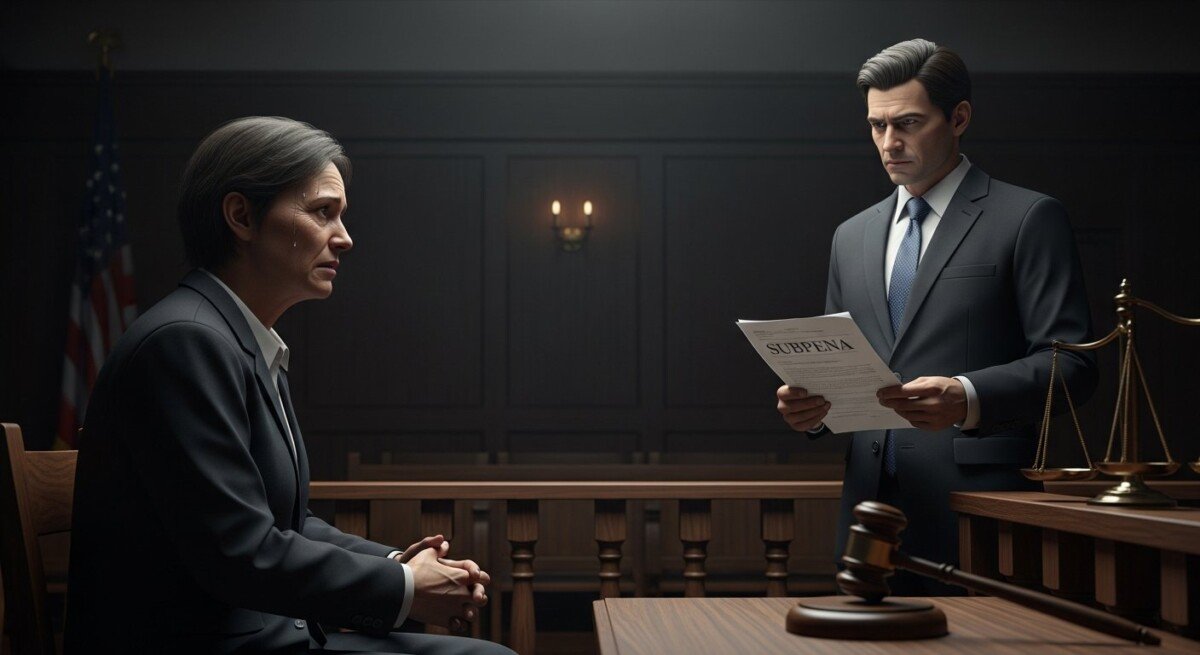
While a witness may initially refuse to speak voluntarily, the justice system is equipped with powerful tools to compel testimony in the interest of a fair proceeding. The primary instrument for this is the subpoena. A subpoena is a court order that commands an individual to appear at a specific time and place to give testimony or to produce documents. Ignoring a subpoena is not an option without severe consequences. However, it is crucial to understand that a subpoena compels appearance, not necessarily cooperation on the stand. A witness who appears but then invokes their Fifth Amendment right against self-incrimination or simply claims not to recall details presents a different, though related, challenge.
The process typically begins with serving the reluctant witness with a subpoena. This formal step elevates the request from an informal ask to a legal obligation. If the witness fails to comply with the subpoena, the party who issued it can file a motion with the court to hold the witness in contempt. Contempt of court is a serious matter that can result in fines, and in some cases, jail time until the witness agrees to comply. The threat of contempt is often a powerful motivator for a reluctant witness to at least appear and take the stand. Yet, the goal is testimony, not just physical presence. Strategic legal work is required to navigate what happens once the witness is under oath.
Navigating the Fifth Amendment and Privilege
A witness’s refusal to answer specific questions, even under oath, is often grounded in legal rights, not mere stubbornness. The most common shield is the Fifth Amendment to the U.S. Constitution, which protects persons from being compelled to be witnesses against themselves in a criminal case. A witness may “plead the Fifth” if they reasonably believe their answer could provide a link in the chain of evidence needed to prosecute them for a crime. It is not a blanket refusal to talk, but a right to refuse to answer specific, incriminating questions. In a civil case, a judge may draw an adverse inference from a witness invoking the Fifth Amendment, which can indirectly help the opposing party.
Beyond the Fifth Amendment, other privileges can justify a refusal to testify. These include the attorney-client privilege, the spousal privilege, the doctor-patient privilege, and the clergy-penitent privilege. These relationships are protected by law to encourage open and honest communication. If a valid privilege exists, the witness cannot be forced to disclose the confidential communications. Distinguishing between a lawful invocation of privilege and an unlawful flat refusal is a critical task for the attorney. If a witness improperly invokes a privilege or refuses to answer without a valid legal basis, the attorney must make timely objections and arguments to the judge to compel an answer.
Strategic Approaches for Attorneys and Investigators
Before resorting to compulsory legal process, skilled attorneys and investigators employ a range of strategies to encourage voluntary cooperation. The approach often depends on understanding the root cause of the witness’s reluctance. Is it fear of retaliation? A misunderstanding of the process? A personal connection to the opposing party? Addressing these concerns directly can sometimes break the impasse.
Common techniques include re-interviewing the witness with a different approach, perhaps in a more neutral and less intimidating setting. Providing clear information about the legal process, including protections like victim/witness advocacy programs or the possibility of testifying via deposition or closed-circuit TV in extreme fear cases, can alleviate anxiety. In some situations, negotiating for limited immunity from prosecution for the witness can remove the Fifth Amendment barrier, though this is typically only available in criminal cases and requires prosecutor or court approval. The key is to demonstrate the importance of their testimony to achieving a just outcome while respecting, within legal bounds, their personal situation.
When a witness remains obstinate, the attorney must meticulously document the refusal and all attempts to secure cooperation. This record becomes vital when arguing a motion to compel or when seeking a missing witness jury instruction. A missing witness instruction allows the judge to tell the jury that they may infer that the testimony of the absent witness would have been unfavorable to the party who failed to produce them. This is a powerful tool in a civil trial where the witness was under the control of one party (like an employee) and refused to testify.
Consequences and Case Impact
The impact of an uncooperative witness varies dramatically between criminal and civil cases. In a criminal case, the prosecution bears the high burden of proof beyond a reasonable doubt. A key witness refusing to testify can be catastrophic, potentially leading to dropped charges or a not-guilty verdict. Prosecutors may have more tools, such as material witness warrants to detain a witness likely to flee, or the ability to grant immunity to overcome Fifth Amendment objections. For the defense, a missing witness can deprive the accused of exonerating testimony, fundamentally undermining their right to a fair trial.
In civil litigation, such as personal injury or contract disputes, the burden of proof is lower (a preponderance of the evidence), but witness testimony remains crucial. A plaintiff may be unable to prove negligence without an eyewitness. A defendant may lose a key defense. The consequences here are often financial but no less severe. The party harmed by the witness’s refusal can use legal mechanisms to mitigate the damage. As mentioned, these include seeking an adverse inference instruction from the judge, using prior sworn statements or depositions if they exist, or even filing a separate lawsuit for spoliation of evidence if the refusal was induced by the opposing party.
To summarize the key legal tools and strategies when a witness refuses to cooperate, consider the following framework:
- Subpoena: The foundational legal order to compel appearance at a deposition or trial.
- Motion to Compel: A request for the court to order the witness to answer specific questions after a refusal.
- Contempt Proceedings: The ultimate sanction for disobeying a court order, potentially leading to fines or jail.
- Immunity Grant: A prosecutorial tool (primarily criminal) to remove the Fifth Amendment barrier to testimony.
- Adverse Inference Instruction: A jury instruction allowing them to infer the missing testimony would have been unfavorable to the party who failed to produce the witness.
Each of these tools requires careful legal procedure and judicial approval. They are not automatic, and their success depends on the specific facts of the case and the jurisdiction’s rules.
Frequently Asked Questions
Can a witness be forced to testify if they are afraid?
Yes, a witness can still be compelled via subpoena. However, courts and law enforcement can sometimes provide measures to alleviate fear, such as protective orders, security during testimony, or in rare cases, anonymity or testimony from a separate room. If the fear rises to the level of a credible threat, it becomes a serious issue for law enforcement.
What is the difference between a subpoena and a court order?
A subpoena is a type of court order. It is a specific order directed to a witness. The term “court order” is broader and can encompass any directive from a judge, including an order resulting from a motion to compel answers after a witness has already been subpoenaed and is on the stand.
What if a witness lies after being forced to testify?
Lying under oath is perjury, a felony crime. A witness who is compelled to testify is still legally obligated to tell the truth. If they lie, they can be prosecuted for perjury independently of the original case.
Can I sue a witness for refusing to talk?
Generally, no. A private citizen cannot typically sue another for refusing to give a statement. However, if the witness was under a legal duty to speak (like a designated corporate representative in a deposition) or if the refusal constitutes tortious interference with a legal proceeding, there may be rare grounds for a civil action. This is highly fact-specific and legally complex.
How does a witness claim their Fifth Amendment right?
The witness or their attorney must expressly state they are invoking the Fifth Amendment privilege against self-incrimination in response to a specific question. It is not a general refusal to take the stand, though a witness may invoke it for a broad range of questions if all answers could be incriminating.
Navigating a witness who refuses to talk demands a blend of legal knowledge, investigative skill, and strategic patience. From the initial informal request through the potential use of compulsory process, each step must be calculated and documented. Whether you are a party to a lawsuit, a victim seeking justice, or a legal professional building a case, understanding these dynamics is paramount. The path forward often lies in identifying the reason for the silence, applying the appropriate legal pressure, and having contingency plans to present your case even when a crucial piece of the puzzle seems determined to remain missing. For specific guidance on your situation, consulting with a qualified attorney is always the recommended course of action.