What Happens If You Hit a Parked Car? Your Legal Guide
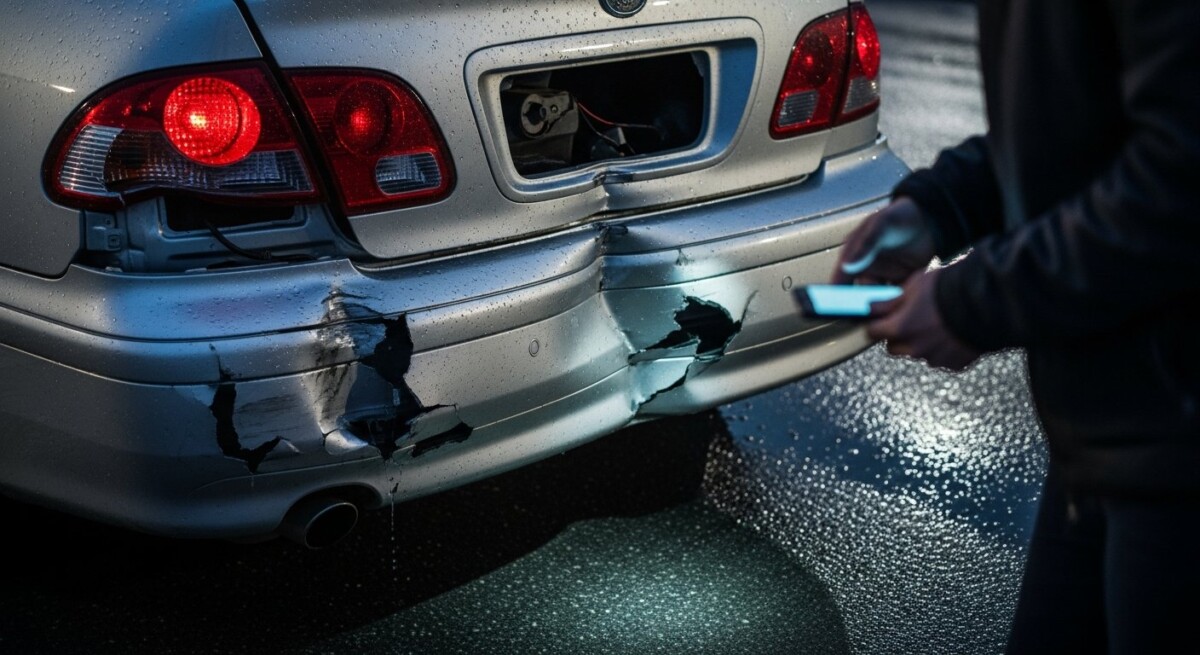
You return to your parked car to find a crumpled fender, a shattered tail light, or a long, ugly scrape down the side. No driver in sight, no note under the windshield wiper. Or, perhaps you are the driver who, while maneuvering in a tight lot, hear that sickening crunch of your bumper meeting a stationary vehicle. In either scenario, the question “what if accident was parked car” shifts from hypothetical to urgent. These incidents are surprisingly common and create a unique set of legal, insurance, and ethical challenges. Unlike a typical moving collision, the dynamics of fault, evidence, and liability follow different rules. This guide provides a comprehensive roadmap for both the victim of a hit-and-run on a parked vehicle and the driver who causes the damage, explaining your rights, responsibilities, and the critical steps to protect yourself financially and legally.
Immediate Steps to Take at the Scene
Your actions in the first minutes after discovering or causing damage to a parked car are crucial. They can mean the difference between a smoothly resolved insurance claim and a costly legal headache, or even criminal charges. Panic is a natural reaction, but a methodical approach is your best defense. The protocol differs slightly depending on whether you are the owner discovering damage or the driver who caused it, but the core principles of responsibility and documentation remain the same.
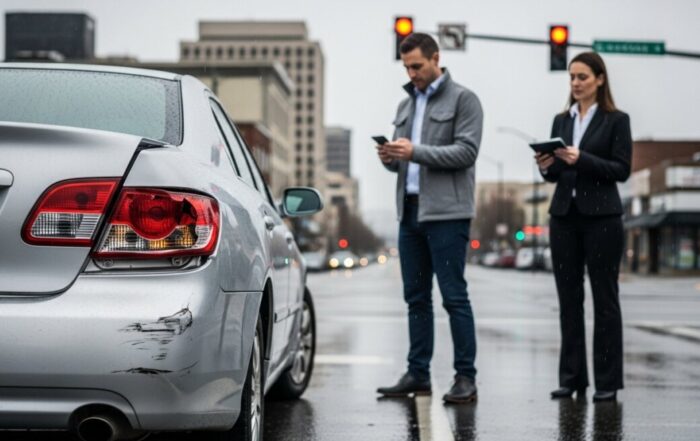
If you are the driver who hit the parked car, never drive away. Leaving the scene of an accident, even with a parked and unoccupied vehicle, is a crime in all states, typically classified as a hit-and-run. Your legal and ethical duty is to stop and make a reasonable effort to locate the owner. If you cannot find them, you must leave a note in a conspicuous place, usually under the windshield wiper. This note must contain your name, address, phone number, and a brief explanation of what happened. Failing to do so can result in severe penalties, including fines, license suspension, and even jail time for significant damage or injury. Simultaneously, you should document the scene thoroughly with photos and videos from multiple angles, capturing the damage to both vehicles, their positions, the surrounding area (like obscured signs or poor lighting), and any relevant details like license plates.
If you are the vehicle owner returning to find damage, your first step is also documentation. Before moving your car, take comprehensive photos and video of all damage, the position of your vehicle, and the broader context of the parking area. Look around for any security cameras that might have captured the incident. Check thoroughly for a note from the responsible driver. If there is no note, you are likely the victim of a hit-and-run. In this case, you must report the incident to the police. A formal police report is essential for your insurance claim, especially for uninsured motorist property damage coverage. Next, notify your insurance company promptly. Delaying this notification can complicate your claim. For a detailed checklist on post-accident actions, our resource on critical steps after a personal injury accident outlines a similar foundational process, though your immediate focus will be on property damage evidence.
Determining Fault and Liability in Parked Car Accidents
Establishing who is at fault is the central issue for insurance companies and any potential legal action. In the vast majority of cases, the driver of the moving vehicle is found liable for hitting a stationary, legally parked car. The basic principle of negligence is that a driver has a duty to operate their vehicle with reasonable care, and striking an inanimate object typically indicates a breach of that duty. However, there are nuanced exceptions where the parked car’s owner may share or even bear full responsibility.
Liability may shift if the parked vehicle was illegally or dangerously positioned. Examples include a car parked in a fire lane, blocking a driveway, double-parked in a travel lane, or parked in a spot designated for disabled persons without a permit. In these situations, the driver who hit the car may argue that the illegal parking was a contributing factor. The outcome often depends on local traffic laws and whether the moving driver still had a reasonable opportunity to avoid the collision. Another complex scenario involves mechanical failure or a genuine emergency that caused the driver to lose control. While this may be a defense, the driver typically must prove the failure was sudden and unforeseeable.
For hit-and-run incidents where the at-fault driver is unknown, the victim’s own insurance coverage becomes primary. This is where specific policy endorsements are critical. Collision coverage will pay for repairs to your vehicle after you pay your deductible. Uninsured Motorist Property Damage (UMPD) coverage, available in many states, may cover the damage with a lower deductible or even no deductible, specifically for hit-and-run scenarios. The availability and rules of UMPD vary significantly by state, so reviewing your policy is essential. Understanding these liability nuances is key, especially if disputes arise with an insurance company acting in bad faith. For more on handling such disputes, see our analysis of bad faith insurance tactics and your rights.
Navigating Insurance Claims and Legal Options
Filing an insurance claim for a parked car accident follows a structured process, but knowing how to navigate it effectively can maximize your recovery and minimize your out-of-pocket costs. Whether you are the at-fault driver or the victim, clear communication and thorough documentation are your most powerful tools. The process begins with notifying the relevant insurance companies, but the order and strategy matter.
If you are the not-at-fault victim (with a known at-fault driver), you have a choice. You can file a claim directly with the at-fault driver’s insurance company (a third-party claim), or you can use your own collision coverage. Filing through the other driver’s insurance means you won’t pay a deductible, but you are dependent on their insurer’s cooperation and their policy limits. Using your own collision coverage is often faster, but you will pay your deductible upfront; your insurer will then attempt to recover that cost from the at-fault driver’s insurer in a process called subrogation. If successful, your deductible is refunded. For hit-and-run victims, your collision or UMPD coverage is your only recourse, aside from personally identifying the fleeing driver.
If you are the at-fault driver, you must report the accident to your own insurance company promptly. Your liability coverage will pay for the repairs to the other vehicle and potentially any property damage (like a fence or storefront) you hit, up to your policy’s property damage liability limits. You are also responsible for paying your collision deductible to repair your own vehicle. It is vital to understand the deadlines for reporting; delays can give your insurer grounds to deny coverage. Our guide on how long to report an accident to insurance details these critical timelines.
When insurance settlements are insufficient or denied, legal action may be necessary. This could involve suing the at-fault driver for damages that exceed their policy limits or pursuing a claim against a property owner (like a shopping center) if poor design or maintenance contributed to the accident. In hit-and-run cases, if the driver is later found, you can pursue a civil lawsuit against them directly. The legal strategies in parking lot accidents can be complex, as explored in our article on suing after a parking lot accident.
Frequently Asked Questions
What should I do if I hit a parked car and there’s no owner around? You must make a reasonable attempt to locate the owner. If you cannot, leave a detailed note with your name, phone number, address, and insurance information. Then, take photos of the scene and both vehicles, and report the incident to your insurance company. Failure to leave a note is a hit-and-run offense.
My parked car was hit and the driver left no note. What now? Treat it as a hit-and-run. First, document all damage with photos and video. Second, file a police report immediately; this is often required by insurance for a hit-and-run claim. Third, contact your insurance company to file a claim under your collision or uninsured motorist property damage coverage.
Can I be found partially at fault if my parked car was hit? Yes, in specific circumstances. If your car was illegally parked (e.g., in a no-parking zone, blocking a lane, or too far from the curb), the other driver’s insurance may argue comparative negligence, potentially reducing their payout. However, the moving driver still has a duty to avoid stationary objects.
Will my insurance rates go up if I hit a parked car? Most likely, yes. If you are at fault for an accident, it is typically considered a chargeable incident by your insurer, which can lead to increased premiums at renewal. The exact impact depends on your state’s laws, your insurer’s policies, and your driving history.
What if the damage to my parked car is minor? Should I still report it? It is generally advisable to report it to your insurance, especially if you are not at fault. However, for very minor damage where you are at-fault, you might consider paying out-of-pocket to avoid a potential rate increase. Get a repair estimate first to inform your decision.
Navigating the aftermath of a parked car accident requires calm, systematic action. From securing the scene and gathering evidence to understanding the intricacies of insurance claims and potential legal recourse, being informed empowers you to protect your rights and financial interests. Remember, the decision to drive away from a damaged parked car, or to ignore your duty to report causing the damage, carries consequences far greater than a simple fender-bender. By following the proper procedures and seeking professional guidance when needed, you can resolve the situation responsibly and move forward.