What Happens If a Waiver Was Signed After an Injury
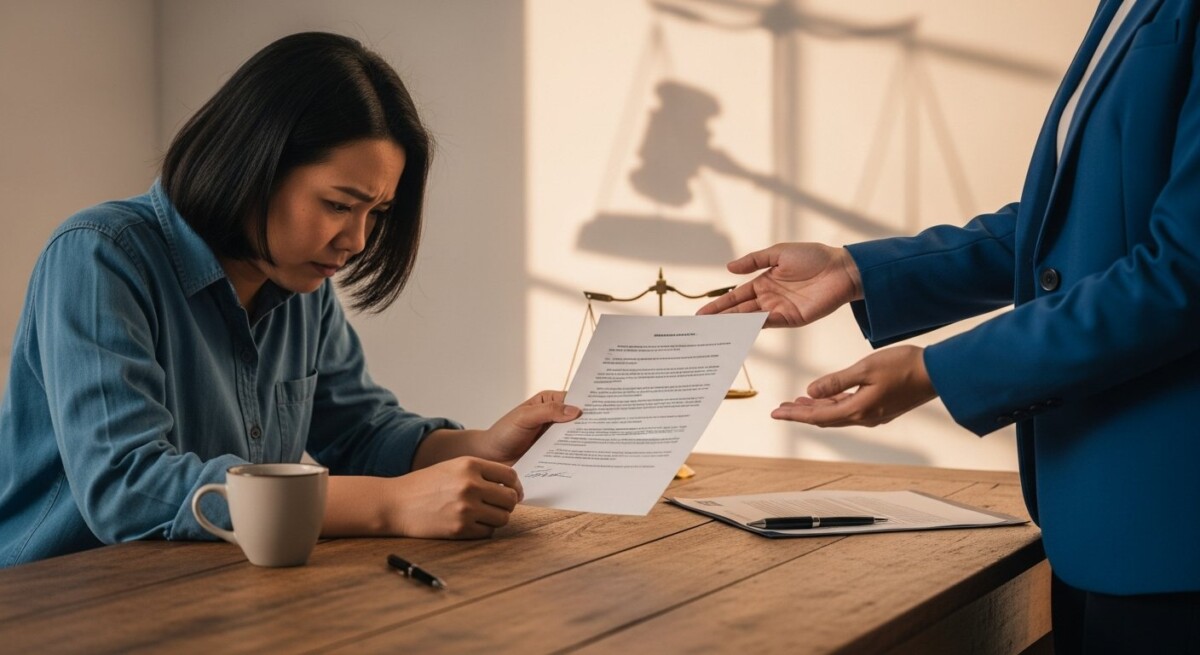
Signing a waiver before an activity or after an incident can feel like a routine formality. Many people assume that once they put pen to paper, their legal rights vanish and they have no recourse if something goes wrong. However, the legal reality is far more nuanced. A signed waiver is not always an absolute barrier to compensation. Courts frequently examine the language of the waiver, the circumstances under which it was signed, and the nature of the injury to determine whether the waiver is enforceable. Understanding what happens if a waiver was signed is critical for anyone who has been hurt and is wondering whether they still have a valid claim.
Waivers are contracts, and like all contracts, they are subject to legal scrutiny. If the waiver was signed under duress, if it contains ambiguous language, or if it attempts to waive liability for gross negligence or intentional misconduct, a court may refuse to enforce it. Additionally, waivers signed by minors or individuals who lacked mental capacity are often voidable. The key takeaway is that a signed waiver does not automatically mean you have given up your right to seek justice. In this article, we will explore the specific factors that determine enforceability, exceptions that can invalidate a waiver, and practical steps you can take if you have already signed one.
How Courts Evaluate a Signed Waiver
When a case involves a signed waiver, the court will first examine the document itself. The waiver must be clear, unambiguous, and conspicuous. If the waiver is buried in fine print or uses confusing legal jargon, a judge may find it unenforceable. Courts generally require that the waiver explicitly mention the specific risks being assumed. For example, a waiver that says "I assume all risks" is often too vague, whereas a waiver that lists "slip and fall risks at a trampoline park" may be more specific and therefore more likely to stand.
The court will also consider the conduct of the party presenting the waiver. If the business or individual pressured you to sign quickly, did not give you a chance to read it, or misrepresented what the waiver covered, those factors can weaken the waiver. In our guide on what happens if supervision was inadequate, we explain how a business’s failure to provide proper oversight can override a signed waiver. The bottom line is that courts do not automatically uphold waivers. They look at fairness, clarity, and the specific facts of the incident.
Key Exceptions That Can Invalidate a Waiver
Even if a waiver appears valid on its face, several legal exceptions can render it unenforceable. Understanding these exceptions can help you determine whether your signed waiver still leaves room for a claim.
Gross Negligence or Reckless Conduct
Most states hold that a waiver cannot protect a party from liability for gross negligence or reckless behavior. Gross negligence goes beyond ordinary carelessness; it involves a conscious disregard for the safety of others. For instance, if a gym fails to maintain its equipment despite knowing a bolt is loose, and a customer is injured as a result, a signed waiver may not protect the gym. The waiver is intended to cover ordinary negligence, not extreme indifference. If the injury resulted from a business’s willful or wanton conduct, the waiver is likely void.
Public Policy and Unconscionable Waivers
Waivers that violate public policy are also unenforceable. For example, a nursing home cannot require residents to sign away their right to sue for neglect. Similarly, waivers for essential services like medical care or public transportation may be struck down if they are deemed unconscionable. An unconscionable waiver is one that is so one-sided or oppressive that it shocks the conscience. If the waiver was presented on a "take it or leave it" basis with no opportunity to negotiate, a court may refuse to enforce it.
Ambiguity and Lack of Specificity
If the waiver does not specifically mention the type of injury that occurred, it may not apply. For example, a waiver that only mentions "physical injuries from falling" likely does not cover an injury caused by defective equipment. Courts interpret ambiguous language against the drafter, meaning the party that wrote the waiver. This principle, known as contra proferentem, can work in your favor if the waiver is poorly written or overly broad.
What to Do Immediately After Signing a Waiver and Getting Injured
If you have signed a waiver and then suffered an injury, your next steps are crucial. Do not assume that the waiver blocks all legal options. Instead, take the following actions to protect your rights:
- Document the scene: Take photographs of the area where the injury occurred, including any hazards, defective equipment, or unsafe conditions. Collect contact information from any witnesses.
- Seek medical attention: Your health comes first. A medical record also serves as critical evidence linking your injury to the incident.
- Obtain a copy of the waiver: Request a copy of the signed waiver from the business. If they refuse, note the refusal and document the circumstances.
- Preserve all communications: Keep emails, texts, or any written statements from the business regarding the waiver or the incident.
- Consult an attorney: An experienced personal injury lawyer can review the waiver and advise you on whether it is enforceable based on your state’s laws.
After taking these steps, you will be in a stronger position to evaluate your claim. Many people are surprised to learn that waivers are often challenged successfully, especially when the injury was severe or the business was clearly at fault. In our article on what happens when insurance companies delay your payment, we discuss how delays can be a sign of bad faith, which is another factor that can affect your case.
How a Waiver Affects Different Types of Claims
The impact of a signed waiver varies depending on the type of claim. For personal injury claims arising from recreational activities, such as skydiving, rock climbing, or trampoline parks, waivers are common and often enforced for ordinary negligence. However, even in these contexts, waivers do not cover intentional harm or hidden dangers that the business failed to disclose.
In the context of medical malpractice or nursing home abuse, waivers are far less likely to be enforced. Courts have a strong public policy interest in holding healthcare providers accountable for substandard care. Similarly, waivers signed before a car ride or a boat tour may not cover accidents caused by the driver’s intoxication or reckless driving. The more egregious the conduct, the less protection the waiver provides.
For product liability claims, waivers are generally ineffective because the manufacturer is responsible for defects regardless of what the consumer signed. If a product malfunctions and causes injury, the waiver signed at the point of sale usually does not shield the manufacturer. This is because product liability is based on strict liability, not negligence. The waiver signed by the user typically addresses the user’s assumption of risk, not the manufacturer’s duty to produce safe products.
The Role of State Laws in Waiver Enforceability
Waiver enforceability varies significantly from state to state. Some states, like California, are more protective of consumers and frequently strike down waivers that are overly broad. Other states, like Texas, tend to uphold waivers as long as they are clearly written. A few states, such as Virginia, have specific statutes that limit the enforceability of waivers for certain activities like skiing or horseback riding. Knowing the law in your jurisdiction is essential.
If you signed a waiver in a state where waivers are scrutinized heavily, your chances of overcoming the waiver are higher. For example, waivers signed in connection with recreational activities in California must be "clear, unambiguous, and explicit" to be valid. In contrast, a waiver signed in a more conservative jurisdiction may be upheld even if it uses broad language. This is why consulting a local attorney who understands the nuances of your state’s case law is so important.
Can a Waiver Be Revoked After Signing?
Generally, a waiver cannot be unilaterally revoked once signed. However, if the waiver was obtained through fraud, misrepresentation, or duress, you may be able to rescind it. Duress occurs when someone signs under threat of physical harm or economic coercion. Misrepresentation happens when the business lies about what the waiver covers. If you can prove that the business told you the waiver only covered minor scrapes but you suffered a catastrophic injury due to a hidden danger, a court may allow you to void the waiver.
Another avenue is to argue that the waiver was not part of a valid contract. For a waiver to be enforceable, there must be consideration (something of value exchanged) and mutual assent. If the waiver was presented after the injury as a condition of receiving medical care, and you signed it under pressure, it may be invalid. Courts look at the totality of the circumstances, not just the signature.
When You Should Not Sign a Waiver
Prevention is always better than litigation. Before signing any waiver, read it carefully. If the waiver uses phrases like "all claims" or "any and all liability," be wary. Cross out or modify any language that seems overly broad. If the business refuses to allow changes, consider walking away. For high-risk activities, ask whether the business carries liability insurance. If they do, the waiver may still be challenged if the injury is severe.
If you are signing a waiver on behalf of a minor child, be aware that many states do not allow parents to waive a child’s right to sue. Courts have held that parents cannot bargain away a child’s future claims for negligence. This is a powerful exception that can allow a child to recover even if the parent signed a waiver. In our article on injured abroad what happens next, we discuss similar protections for travelers who sign waivers in foreign jurisdictions.
Frequently Asked Questions
Does a signed waiver always prevent me from suing?
No. A signed waiver does not automatically bar a lawsuit. Courts examine the waiver’s language, the circumstances of signing, and the severity of the negligence. If the waiver is ambiguous, unconscionable, or attempts to waive gross negligence, it may be unenforceable.
Can I still file a claim if I signed a waiver for a gym or sports activity?
Yes, in many cases. If the gym failed to maintain equipment or provide adequate supervision, the waiver may not cover that negligence. For example, if a treadmill malfunctions due to poor maintenance, the waiver likely does not protect the gym. For more on this, see our guide on the high cost of delay what happens if you wait too long to file.
What if I was pressured to sign the waiver quickly?
If you were rushed or not given a reasonable opportunity to read the waiver, a court may find that you did not knowingly and voluntarily assume the risk. This can weaken the waiver’s enforceability.
Do waivers cover injuries caused by defective products?
Generally, no. Product liability claims are based on strict liability, not negligence. A waiver signed by the user does not shield the manufacturer from liability for a defective design or manufacturing flaw.
Can a parent sign away a child’s right to sue?
In most states, a parent cannot waive a child’s future claims for negligence. Courts view such waivers as against public policy. If your child was injured, you may still have a valid claim even if you signed a waiver.
Take Action to Protect Your Rights
A signed waiver is not the final word on your legal options. While waivers can complicate a claim, they are often surmountable with the right legal strategy. The most important step is to act quickly. Evidence can disappear, witnesses can forget details, and statutes of limitations can expire. If you have been injured after signing a waiver, do not assume you are without recourse. Contact a qualified personal injury attorney to review your situation. At FreeLegalCaseReview.com, we can connect you with experienced lawyers who understand how to challenge unfair waivers. Your signature does not have to be the end of your pursuit of justice.