
Signs a Nursing Home Is Understaffed and Neglect Risks Rise
Spot the signs a nursing home is understaffed before neglect harms your loved one. Call 8332484565 for a free case review and legal options.

By Ryan Campbell
When you entrust a loved one to a nursing home, you expect around-the-clock care, dignity, and safety. Unfortunately, staffing shortages have become a national crisis in long-term care facilities, and the warning signs often appear long before a serious injury or death occurs. Recognizing the signs a nursing home is understaffed and neglect risks rise is one of the most important steps families can take to protect vulnerable residents. Understaffing does not just mean slower response times; it directly correlates with medication errors, falls, pressure ulcers, dehydration, and infections that can turn fatal. This article explains exactly what to look for, why neglect happens when staff levels drop, and how you can hold facilities accountable with the help of a free legal case review.
Why Understaffing in Nursing Homes Creates a Neglect Crisis
Nursing homes are required by federal law to maintain sufficient staff to meet each resident's physical, psychological, and social needs. However, many facilities cut costs by reducing nurse aides, licensed practical nurses, and registered nurses to bare minimum levels. When one aide is responsible for fifteen or twenty residents instead of five or eight, basic tasks like turning immobile patients, assisting with meals, toileting, and administering medication on schedule become impossible to complete. The result is not merely inconvenience; it is systemic neglect.
Research and government reports consistently link low staffing hours to higher rates of preventable harm. A resident who waits too long for help to the bathroom may fall and fracture a hip. A resident who is not repositioned every two hours develops painful bedsores that can become infected and lead to sepsis. Medications are missed or given late, causing blood pressure spikes, diabetic emergencies, or seizures. In extreme cases, residents are left in soiled bedding for hours, leading to urinary tract infections and skin breakdown. These outcomes are not accidents; they are predictable consequences of a business model that prioritizes profit over people.
If you suspect your loved one has already suffered harm due to short staffing, documenting the signs of understaffing and neglect becomes critical evidence. A guide on recognizing financial abuse in marriage may seem unrelated, but it illustrates how patterns of control and exploitation often follow similar warning signs across different care settings. In nursing homes, the exploitation is physical and emotional, and the warning signs are just as observable once you know what to look for.
Key Warning Signs That a Nursing Home Is Understaffed
Understaffing rarely announces itself with a single dramatic event. Instead, it reveals itself through a pattern of small failures that accumulate over days and weeks. Family members who visit at different times of day and on weekends are best positioned to spot these patterns. The following indicators should raise immediate concern and prompt further investigation.
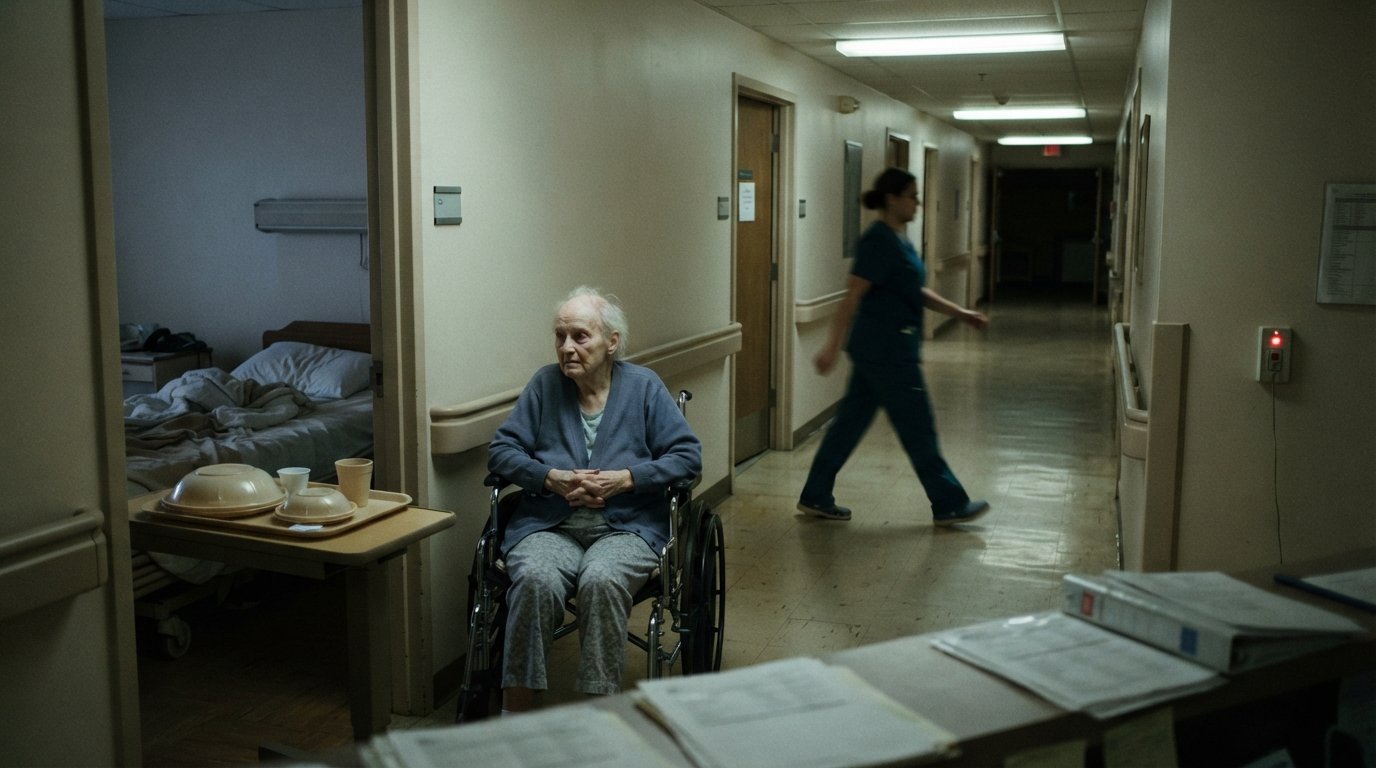
- Call lights go unanswered for extended periods. If you consistently see call lights blinking for ten, fifteen, or twenty minutes without a staff member responding, the facility does not have enough aides on the floor. Residents who cannot reach the bathroom or get a drink of water on their own are at high risk.
- Residents are left in soiled clothing or bedding. Incontinence care requires frequent checks. When staff are stretched too thin, they prioritize emergencies and leave hygiene tasks for later. Soiled bedding is a direct precursor to pressure ulcers and infections.
- Meals are rushed, cold, or missed entirely. Understaffed facilities often struggle to feed residents who need assistance. If your loved one is losing weight or frequently reports being hungry, the kitchen may be fine but the feeding assistants are not.
- Medication is administered late or not at all. Ask your loved one if they receive their medications on time. Look for signs of missed doses such as increased confusion, pain, or changes in blood pressure. Medication carts that sit untouched while nurses run between rooms are a red flag.
- Staff appear rushed, stressed, or indifferent. Talk to the aides. If they consistently tell you they have too many patients or cannot take a break, that is a confession of understaffing. High turnover and frequent use of agency staff also indicate a facility that cannot retain enough permanent employees.
These signs do not prove neglect on their own, but they create a strong circumstantial case. When two or more are present simultaneously, the probability of neglect rises dramatically. Families should document each observation with dates, times, and photographs where possible, because this evidence becomes invaluable if you later need to pursue a personal injury or wrongful death claim.
How Understaffing Directly Increases Neglect Risks
The connection between low staffing and neglect is not theoretical. It is a matter of simple math and human limitations. A certified nursing assistant who is responsible for too many residents cannot physically be in two places at once. When one resident falls, the aide must leave another resident unattended to help. That unattended resident may then attempt to get out of bed alone and fall as well. This cascade effect is common in understaffed facilities and often results in multiple injuries within a short period.
Beyond falls, understaffing leads to delayed responses to medical emergencies. A resident experiencing chest pain or difficulty breathing may wait crucial minutes before anyone notices. In a well-staffed facility, a nurse would be available to assess and call 911 immediately. In an understaffed one, the resident may deteriorate while staff handle other crises. The same dynamic applies to infections: a urinary tract infection that would be caught early with regular monitoring can progress to urosepsis and become life-threatening if no one has time to check on the resident.
Pressure ulcers are perhaps the most visible and damning evidence of neglect caused by understaffing. Turning and repositioning a resident every two hours is a standard of care that prevents bedsores. When aides are overwhelmed, turning schedules are missed. Within days, deep tissue damage can occur. Once a bedsore develops, it is extremely difficult to heal and can become infected, leading to amputation or death. Families who photograph these wounds and document the facility's failure to turn their loved one have strong evidence for a neglect claim.
What to Do When You Spot the Signs of Understaffing
If you observe the warning signs described above, you should act immediately to protect your loved one. The first step is to schedule a meeting with the facility administrator and director of nursing. Ask direct questions about staffing ratios, turnover rates, and how they ensure that call lights are answered promptly. Request a copy of the facility's most recent state inspection report, which is public record and often reveals staffing deficiencies.
Second, document everything. Keep a journal with dates, times, and specific observations. Take photographs of your loved one's condition, including any wounds, bruises, or soiled bedding. Save emails and text messages with facility staff. This documentation will be essential if you need to file a complaint with the state long-term care ombudsman or pursue legal action.
Third, consider contacting a personal injury attorney who specializes in nursing home neglect. An experienced lawyer can help you understand whether the facility violated federal or state staffing requirements and whether your loved one has a claim for compensation. Many law firms offer free, no-obligation case evaluations, so you can get preliminary legal advice without any upfront cost. FreeLegalCaseReview.com connects individuals with top-rated attorneys across the country, and their legal case analysis resources can help you understand your rights before you speak with a lawyer.
Finally, if you believe your loved one is in immediate danger, call 911 or contact adult protective services in your state. Do not wait for the facility to fix the problem on its own. Understaffing is often a chronic condition that improves only when families and regulators apply pressure.
The Legal Consequences of Nursing Home Understaffing
Nursing homes that fail to maintain adequate staffing can be held liable for negligence, neglect, and in severe cases, wrongful death. Federal regulations under the Nursing Home Reform Act require facilities to provide services that meet professional standards of quality. When understaffing causes a resident to suffer harm, the facility has breached its duty of care. Families can sue for medical expenses, pain and suffering, emotional distress, and in wrongful death cases, loss of companionship and funeral costs.
Proving a case requires establishing that the facility was understaffed and that the understaffing directly caused the injury. Evidence may include staffing records, payroll logs, incident reports, medical records, and testimony from current or former employees. An attorney can subpoena these records and work with expert witnesses to demonstrate that the facility failed to meet the standard of care. Because many nursing homes are owned by large corporations, they often have aggressive legal teams. Having a skilled lawyer on your side levels the playing field.
In some cases, multiple families may join together in a class action or mass tort lawsuit against a nursing home chain. These collective actions can be powerful because they expose systemic understaffing across many facilities. If you suspect your loved one's injury is part of a broader pattern of neglect, it is worth asking an attorney whether a class action is possible. FreeLegalCaseReview.com provides free case evaluations and can connect you with attorneys who handle nursing home neglect cases on a contingency fee basis, meaning you pay nothing unless you win.
Preventing Neglect: Questions to Ask Before Choosing a Nursing Home
If you are in the process of selecting a nursing home for a loved one, you can reduce the risk of understaffing by asking pointed questions during your tour. Inquire about the ratio of residents to certified nursing assistants during day, evening, and night shifts. Ask how the facility handles call lights and whether there is a maximum response time policy. Request the most recent state inspection report and look for any staffing-related deficiencies.
You should also visit at different times, including evenings and weekends, when staffing is often thinnest. Observe how many staff members are visible on the floor and whether they appear rushed. Talk to other families in the waiting area and ask about their experiences. If possible, speak with current employees about whether they feel they have enough time to care for each resident properly. A facility that is transparent about its staffing and proud of its care standards will welcome these questions. One that deflects or becomes defensive may have something to hide.
Finally, trust your instincts. If something feels wrong during your visit, it probably is. The signs a nursing home is understaffed and neglect risks rise are not always dramatic, but they are consistent. By staying vigilant and documenting what you see, you can protect your loved one and hold negligent facilities accountable.
Nursing home neglect is a preventable tragedy, but it requires awareness and action from families. If you have observed any of the warning signs discussed here, do not wait for a crisis to occur. Document your observations, speak with facility management, and consider seeking a free legal case evaluation to understand your options. With the right evidence and the right attorney, you can pursue justice for your loved one and help prevent other families from experiencing the same heartbreak.