
How Emerging Environmental Mass Torts Get Started
Emerging environmental mass torts often begin with a contamination cluster and a free case review. Call (833)-248-4565 to explore your options.

When a community learns that its drinking water, air, or soil is contaminated, the first questions are usually personal: Is my family safe? Has this already harmed us? And who is responsible? Those questions often mark the beginning of an emerging environmental mass tort, a legal action that can grow from a handful of concerned neighbors into thousands of consolidated claims. Understanding how these cases form helps you recognize the early signals, protect your rights, and decide whether a free case evaluation is worth your time.
From Contamination Clusters to Consolidated Litigation
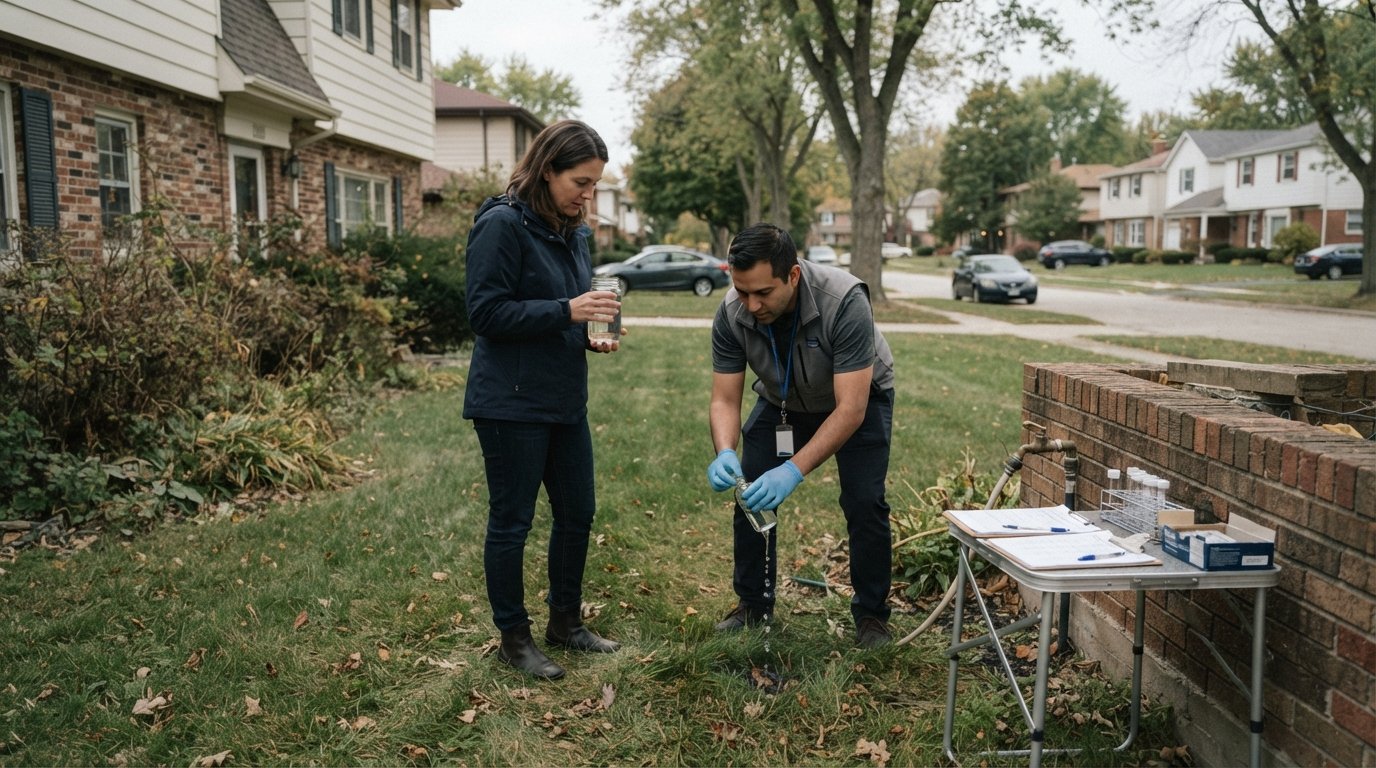
Environmental mass torts rarely begin with a courtroom filing. They begin with a pattern. A cluster of illnesses, unusual water tests, or a plume of contaminated groundwater can prompt residents to compare notes. Attorneys and public health researchers then look for a common denominator: a single landfill, a chemical plant, a military base, or a manufacturing facility that may have released toxic substances over years or decades.
Once a cluster is identified and a likely source is linked, the legal machinery starts to turn. Individual lawsuits may be filed first, but as the number of plaintiffs grows, courts often consolidate pretrial proceedings into a multidistrict litigation, or MDL. This process allows hundreds or thousands of similar claims to share discovery, expert testimony, and pretrial motions while preserving each claimant's right to an individual trial or settlement. The key takeaway is that consolidation is a tool for efficiency, not a guarantee of a payout, and it usually emerges only after a critical mass of claims demonstrates a shared factual core.
This is where platforms like FreeLegalCaseReview.com come into play. The site is not a law firm and does not provide legal advice, but it offers a free, confidential case evaluation process that connects people exposed to contaminants with attorneys who handle mass tort litigation. For someone who suspects exposure, that no-obligation assessment can be an early step in figuring out whether a formal claim is viable.
The Scientific and Medical Foundation
Environmental mass torts are built on evidence, and that evidence usually arrives in stages. First come toxicological studies and environmental sampling: what chemicals are present, at what concentrations, and for how long? Next come epidemiological studies that look for elevated rates of cancer, birth defects, neurological harm, or other health outcomes in exposed populations. Only when a body of peer-reviewed research begins to support a causal link do courts, and ultimately juries, take notice.
Regulatory action often serves as a bridge between science and litigation. When an agency like the EPA or a state health department issues a health advisory, sets a new maximum contaminant level, or orders a cleanup, those decisions can become powerful exhibits in a mass tort. They also tend to accelerate claim volume, because residents who were unsure whether their symptoms were related suddenly have official confirmation that a hazard existed.
Expert testimony is the engine that converts scientific findings into admissible evidence. Attorneys retain epidemiologists, toxicologists, and medical specialists to explain causation in plain terms. If you are researching your own potential claim, it helps to gather documentation such as water test results, medical records, and proof of residence during the exposure period. A review of how to get disability for mental illness can also be useful if exposure-related conditions have affected your ability to work, because disability benefits and tort claims can proceed on parallel tracks.
Drinking Water, Air, and Soil: Different Exposure Pathways, Different Cases
Environmental mass torts vary significantly depending on the pathway of exposure, and those differences shape everything from proof of harm to the type of medical monitoring claimants may seek.
Drinking water cases often involve industrial solvents, PFAS chemicals, lead, or agricultural runoff. These claims typically hinge on utility records, well tests, and the duration of consumption. Because exposure can be chronic and widespread, these cases frequently grow into large consolidated actions with hundreds of municipal systems named as plaintiffs alongside individual residents.
Air exposure claims, such as those involving refinery emissions, incinerators, or airborne toxins, require modeling of dispersion patterns and often rely on community health surveys. Soil contamination cases, common at former industrial sites and smelters, raise complex questions about property value loss, remediation costs, and direct contact hazards for children. Each pathway demands its own evidentiary strategy, which is one reason environmental mass torts can take years to mature before a settlement structure emerges.
What to Do If You Suspect Exposure in Your Community
If you believe you or your family has been exposed to a contaminant, the most important thing is to act methodically rather than react emotionally. Documentation is your strongest asset, and early steps can preserve evidence that might otherwise be lost as time passes.
- Get tested. Arrange for water, soil, or air testing through a certified laboratory. Keep copies of every result and note the date and location of each sample.
- Document health history. Collect medical records, diagnoses, and treatment dates for everyone in the household, and keep a simple log of symptoms and when they began.
- Preserve residency records. Utility bills, leases, deeds, and school records can establish how long you lived at the exposed location.
- Request a free case evaluation. A confidential review can tell you whether your situation matches an existing mass tort or warrants individual investigation.
After those steps, consider joining a community group or attending local meetings where residents share findings. Collective action often strengthens a case, and attorneys frequently monitor these groups to identify emerging clusters before formal litigation begins. For a broader look at how legal disputes involving professionals are handled, the resources at AttorneyLawsuit offer useful context on attorney-related lawsuits and consumer guidance.
Why Early Action Matters
Statutes of limitation and statutes of repose vary by state and by the type of claim, and environmental exposure cases can have nuanced accrual rules. In some jurisdictions, the clock starts when you knew or should have known about the harm, not when the contamination occurred. Waiting too long can quietly extinguish a valid claim, which is why early legal consultation is so valuable.
Early action also improves the quality of evidence. Witnesses move away, water systems change treatment methods, and medical records become harder to assemble over time. Claimants who document their exposure and health history early tend to have stronger cases when a mass tort eventually consolidates.
The Role of Free Case Reviews in Emerging Litigation
Most people cannot afford to hire an environmental lawyer on an hourly basis to investigate a suspicion. That is why free case evaluations exist. Through a platform like FreeLegalCaseReview.com, you can describe your situation confidentially and learn whether an attorney sees a potential claim. There is no obligation to retain anyone, and the process is designed to give you information before you commit.
Emerging environmental mass torts get started when ordinary people decide that a suspicious cluster of illnesses or a failed water test deserves a closer look. From that first conversation, a case can grow into scientific study, regulatory action, and eventually consolidated litigation. If you suspect exposure, the safest path is to document, test, and ask questions early, because the strongest claims are often the ones that were built before the headlines arrived.