Filing a Claim Without Accident Photos: What to Do
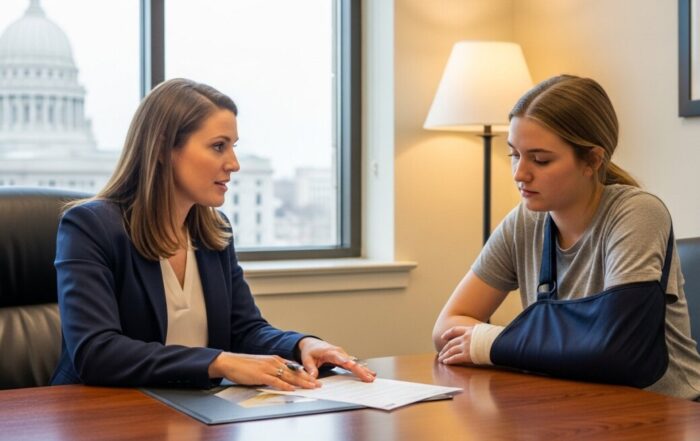
After a car accident, the immediate aftermath can be chaotic and overwhelming. You may be injured, shaken, or simply unsure of what to do first. In the rush to get help or exchange information, taking photos of the scene might slip your mind. This leads many people to ask a critical question: can I file a claim without photos of the accident? The short answer is yes, you can. However, the path to a successful claim may require extra effort and strategic documentation. Insurance companies often rely on visual evidence to assess fault and damages, but they also accept other forms of proof. This article will walk you through exactly how to proceed if you find yourself without photographic evidence, what alternatives exist, and how to strengthen your case with the resources you still have.
Why Photos Matter in Accident Claims
Photographs serve as objective, timestamped records of the accident scene. They capture vehicle positions, road conditions, visible injuries, and property damage at the moment they occurred. Insurance adjusters and claims handlers use these images to reconstruct the event and determine liability. Without photos, the burden of proof shifts more heavily onto your testimony, witness accounts, and other documentation.
That said, the absence of photos does not automatically mean your claim will be denied. Insurance companies are required to evaluate claims based on all available evidence. If you can provide a clear, consistent narrative supported by police reports, medical records, and witness statements, your claim can still move forward. The key is to be proactive and thorough in gathering whatever evidence remains accessible.
Alternative Evidence You Can Use
If you did not take photos at the scene, do not panic. Several types of evidence can substitute for or supplement missing photographs. The most effective approach is to collect multiple forms of proof that together paint a complete picture of the accident.
Police Reports
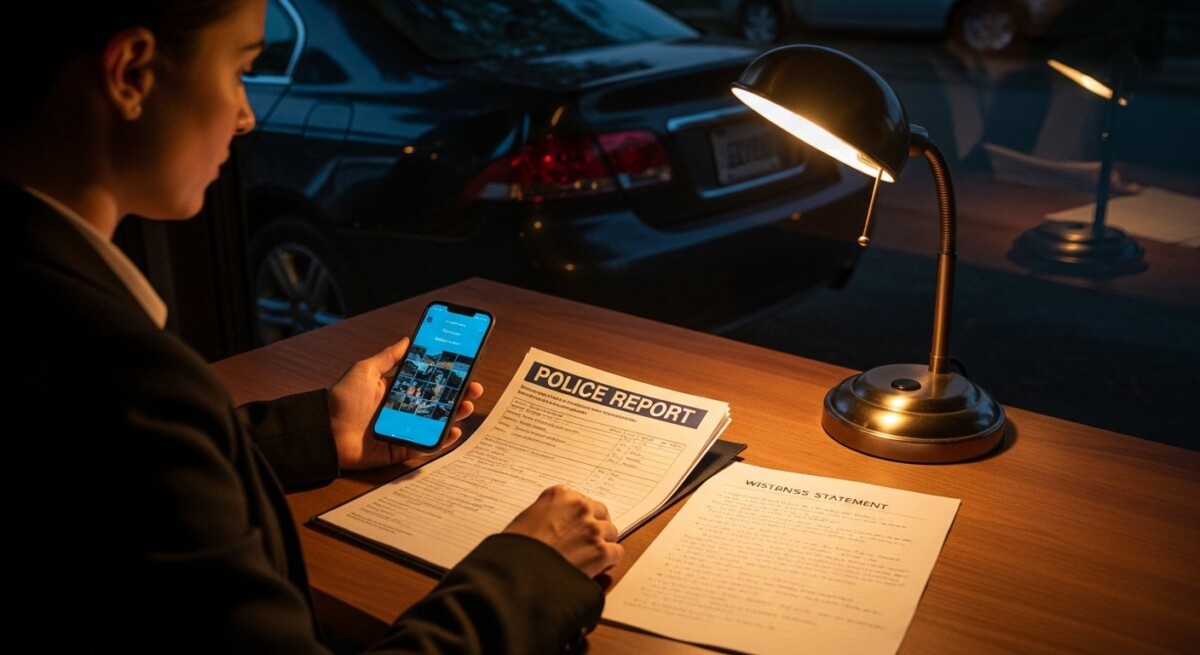
A police report is one of the most powerful pieces of evidence in any accident claim. Officers are trained to document the scene, interview witnesses, and note factors like weather, lighting, and road conditions. They also often include diagrams of vehicle positions and statements from all parties involved. Request a copy of the police report as soon as it becomes available, usually within a few days to a week. The report can serve as an official, third-party account that compensates for the lack of personal photos.
Witness Statements
Eyewitnesses can provide invaluable corroboration. If anyone saw the accident unfold, get their name and contact information. Ask them to describe what they saw in their own words. Even a single witness who confirms your version of events can significantly strengthen your claim. If you cannot locate witnesses at the scene, consider posting in local community groups or social media pages asking if anyone saw the incident. Drivers or pedestrians in the area may have dashcam footage or security camera recordings.
Medical Records
Your medical records serve as evidence of the injuries you sustained and their connection to the accident. Visit a doctor as soon as possible, even if you feel fine. Some injuries, like whiplash or internal trauma, may not show symptoms immediately. A medical professional can document your condition, take photographs of visible injuries, and note your complaints in your file. These records become a key part of your claim, linking the accident to your physical harm. In our guide on delayed doctor visit after accident critical risks, we explain why prompt medical attention matters for your legal case.
Dashcam or Surveillance Footage
Dashcams have become increasingly common, and many drivers now have them installed. If you or the other driver had a dashcam running, the footage can provide a clear, unbiased record of the crash. Similarly, nearby businesses, traffic lights, or residential homes may have security cameras that captured the incident. Ask around and request footage as soon as possible, as many systems overwrite recordings after a few days.
Steps to Take Immediately After the Accident
If you realize you have no photos, do not let that stop you from taking other critical actions. Follow these steps to protect your claim and maximize your chances of a fair outcome:
- Call the police to the scene. An official police report is your strongest alternative to photos.
- Exchange information with the other driver: names, phone numbers, insurance details, and license plate numbers.
- Collect contact information from any witnesses. Ask them to stay until police arrive if possible.
- Seek medical attention immediately, even for minor injuries. Request that the doctor document all findings.
- Write down everything you remember about the accident as soon as possible: time, location, weather, speed, and sequence of events.
These steps create a paper trail that can substitute for missing visual evidence. The more detail you can provide, the better your claim will hold up under scrutiny. Insurance adjusters look for consistency and credibility, and a well-documented account can overcome the absence of photos.
How Insurance Companies Handle Claims Without Photos
Insurance adjusters are trained to evaluate claims based on the preponderance of evidence. If you have no photos, they will focus on the consistency of your statement, the police report, medical records, and witness accounts. They may also examine the other driver’s version of events and compare it to yours. If the two accounts conflict significantly, the adjuster will weigh the available evidence to decide which story is more credible.
In some cases, the lack of photos may lead the insurer to offer a lower settlement, especially if fault is disputed. They may argue that without visual proof, your claim is weaker. This is why it is essential to gather as much alternative evidence as possible and to present it clearly. You can also work with an accident claims lawyer who can negotiate on your behalf and push back against lowball offers. For more insight, read our article on how an accident claims lawyer can help you get justice.
What to Do If the Other Driver Disputes Fault
Disputes over fault become more common when photos are missing. The other driver may claim you caused the accident, or they may deny certain details. In these situations, your evidence becomes even more critical. The police report often carries significant weight because it is created by a neutral third party. Witness statements and any available footage can also tip the scales in your favor.
If the dispute escalates, you may need to file a claim with your own insurance company under collision coverage or pursue legal action through small claims court or a personal injury lawsuit. An attorney can help you navigate these options and determine the best path forward. In our piece on how to prove your injury from an accident a step by step guide, we cover the documentation strategies that can make or break your case.
When a Claim May Be Denied Without Photos
While it is possible to file a claim without photos, there are scenarios where the lack of visual evidence can lead to denial. These include hit-and-run accidents where the other driver cannot be identified, single-vehicle accidents where there are no witnesses, and cases where your account contradicts the physical evidence (like skid marks or damage patterns). In such situations, photos would have provided crucial context that is now missing.
If your claim is denied, you have the right to appeal the decision. Submit any additional evidence you can gather and request a review. Many insurers have an internal appeals process, and you can also file a complaint with your state’s insurance department. An attorney can help you prepare a strong appeal and explore other legal remedies.
Frequently Asked Questions
Can I file a claim without photos of the accident?
Yes, you can file a claim without photos. You will need to rely on other evidence such as police reports, witness statements, medical records, and dashcam footage to support your case.
What if the other driver has photos and I don’t?
You can request those photos through the insurance claims process or through discovery if a lawsuit is filed. Your attorney can also subpoena the other driver’s evidence.
How long after an accident can I file a claim without photos?
You should file as soon as possible, ideally within a few days. Each state has a statute of limitations for accident claims, typically ranging from one to six years. Delaying can make gathering evidence harder.
Will my insurance premium go up if I file a claim without photos?
Filing any claim, regardless of evidence, can affect your premium. However, if you are not at fault, many insurers offer accident forgiveness programs or will not raise rates. Check your policy for details.
Can a lawyer help if I have no photos?
Absolutely. An experienced attorney can gather evidence, interview witnesses, obtain police reports, and negotiate with insurers on your behalf. They can also help reconstruct the accident scene if needed. If you are unsure about your options, a free case evaluation can clarify your next steps. For more on this, see our article on can you sue after a parking lot accident legal options explained.
Navigating an insurance claim without accident photos is challenging but far from impossible. The key is to act quickly, gather all available evidence, and present a clear, consistent story. Police reports, witness accounts, medical documentation, and any available footage can fill the gap left by missing photographs. If you face resistance from the insurance company or a dispute over fault, consider consulting with a legal professional who can advocate for your rights. Remember, the question of can I file a claim without photos of the accident should not stop you from seeking the compensation you deserve. Take the steps outlined here, and you can still build a strong case.