Filing a Claim for Injury Caused by a Falling Tree
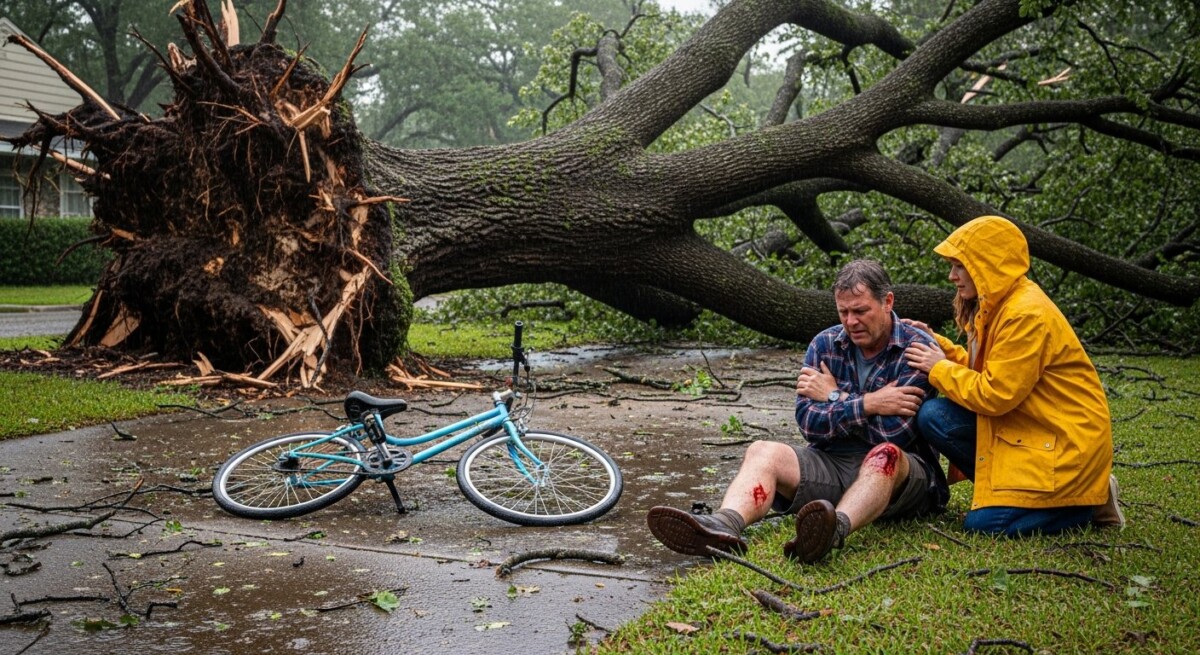
When a tree falls and injures you, the aftermath can be confusing and painful. You may wonder who is responsible for your medical bills, lost wages, and other damages. The question “can i file claim for injury caused by falling tree” is common after such incidents, and the answer depends on several key factors including where the tree was located, why it fell, and who owned the property. Understanding your legal rights is the first step toward recovering compensation for your injuries.
Tree-related accidents happen more often than people realize. Storms, disease, poor maintenance, or simple negligence can cause a tree or large branch to fall unexpectedly. When that falling tree strikes a person, the resulting injuries can be severe: head trauma, broken bones, spinal cord damage, or even wrongful death. The legal process for pursuing a claim involves proving fault, documenting damages, and navigating insurance policies. This article explains the critical elements of a falling tree injury claim so you can make informed decisions about your case.
Who Is Liable for a Falling Tree Injury
Liability in a falling tree case hinges on the concept of negligence. Generally, the property owner where the tree was located has a duty to maintain the property in a reasonably safe condition. If the owner knew or should have known that a tree posed a danger and failed to address it, they may be held responsible for injuries caused by that tree. For example, if a tree was visibly rotting, had large dead branches, or showed signs of instability, the owner could be liable for not removing it.
However, liability is not always straightforward. Natural acts such as lightning strikes, hurricanes, or tornadoes may absolve the property owner if they had no prior notice of the tree’s hazardous condition. In these “act of God” situations, the injured party may need to look to their own insurance coverage, such as comprehensive auto insurance if the tree fell on a vehicle, or homeowners insurance if the accident occurred on their own property. In our guide on claiming injury after a boating accident, we explain similar principles of negligence that apply across different accident types.
Another crucial factor is whether the tree was on public or private land. Municipalities and government entities have different rules for liability, often requiring a formal notice of claim within a short time frame. If a city-owned tree falls and injures someone, the injured party must typically file a claim with the government agency within months, sometimes as little as 90 days. Missing this deadline can permanently bar recovery. Private property owners, on the other hand, are subject to standard personal injury laws, though homeowners insurance policies often cover these claims.
Proving Negligence in a Falling Tree Case
To succeed in a claim for injury caused by a falling tree, you must establish four elements of negligence: duty, breach, causation, and damages. The property owner owed you a duty of care to maintain safe premises. They breached that duty by failing to inspect, maintain, or remove a dangerous tree. That breach directly caused your injury. And you suffered actual damages, such as medical expenses, lost income, or pain and suffering.
Evidence is critical in proving these elements. Photographs of the tree before and after the incident, maintenance records, expert testimony from an arborist, and weather reports can all support your case. If the tree had visible decay or previous complaints from neighbors, those facts strengthen your argument that the owner knew about the hazard. Similarly, if a recent storm was severe enough to cause widespread tree falls, the owner might argue they had no reasonable time to inspect after the storm. An attorney can help gather and preserve this evidence before it disappears.
It is also important to note that comparative negligence rules may apply in your state. If you were standing in an area where you should have known a tree might fall, or if you ignored warning signs, your compensation could be reduced by your percentage of fault. For instance, if a court finds you 20 percent responsible for walking under a visibly unstable tree during a storm, your damages would be reduced by that amount. This is why documenting the exact circumstances of the accident is essential.
Types of Damages You Can Recover
When you file a claim for injury caused by a falling tree, you can seek compensation for both economic and non-economic damages. Economic damages are tangible financial losses that can be calculated with receipts and bills. Non-economic damages are subjective losses like pain and suffering. Below is a breakdown of common damage categories:
- Medical expenses: Emergency room visits, surgeries, hospital stays, physical therapy, prescription medications, and future medical care related to the injury.
- Lost wages: Income you lost while unable to work, including sick days, vacation time used for recovery, and reduced earning capacity if the injury causes long-term disability.
- Property damage: Repair or replacement costs for your vehicle, home, or personal belongings damaged by the falling tree.
- Pain and suffering: Compensation for physical pain, emotional distress, loss of enjoyment of life, and mental anguish caused by the accident.
- Wrongful death: If a family member died from a falling tree injury, surviving relatives can file a wrongful death claim for funeral expenses, loss of companionship, and lost financial support.
Punitive damages may also be available in rare cases where the property owner acted with gross negligence or intentional misconduct. For example, if an owner deliberately ignored repeated warnings about a dangerous tree and someone was severely injured, a court might award punitive damages to punish the owner and deter similar behavior. These damages are not common in falling tree cases but are worth discussing with your attorney if the facts support them.
Insurance Coverage for Falling Tree Injuries
Several insurance policies may provide coverage for falling tree injuries, depending on the circumstances. Homeowners insurance typically covers liability for injuries that occur on the insured property, including tree-related accidents. If a neighbor’s tree falls and injures you, their homeowners insurance may pay your claim. If your own tree falls on you, your health insurance and possibly your own homeowners insurance medical payments coverage could help. In some cases, if the tree fell on your car, your auto insurance comprehensive coverage might apply.
It is important to note that insurance companies often try to minimize payouts. They may argue that the tree’s condition was not foreseeable, that the storm was an act of God, or that your injuries are not as severe as claimed. Having an attorney handle communications with insurers can level the playing field. Similar to the advice in our article on claiming injury after a minor crash, documenting everything and not giving recorded statements without legal counsel can protect your rights.
If the tree was on public property, the government entity’s insurance or self-insurance fund typically handles claims. These claims have strict procedural requirements, including filing a notice of claim within a statutory deadline. Failure to follow these procedures precisely can result in losing your right to sue. An attorney experienced in municipal liability can guide you through this process.
Steps to Take After a Falling Tree Injury
If you are injured by a falling tree, taking the right steps immediately can strengthen your claim. First, seek medical attention right away, even if your injuries seem minor. Some injuries, like internal bleeding or concussions, may not show symptoms immediately. A doctor’s documentation creates a record linking your injuries to the accident. Second, report the incident to the property owner if possible, and to local authorities if the tree was on public land. Third, gather evidence: take photos of the tree, the surrounding area, your injuries, and any visible hazards. Collect contact information from witnesses who saw the tree fall or can attest to its condition before the accident.
Fourth, preserve the tree or its remains if you can do so safely. An arborist may need to examine the tree to determine its health and whether decay or disease contributed to the fall. If the tree is removed before an expert can inspect it, you may lose critical evidence. Fifth, keep all documents related to your accident: medical bills, receipts for prescriptions, pay stubs showing lost wages, and correspondence with insurance companies. Finally, consult with a personal injury attorney who handles tree-related accidents. Many offer free initial consultations and work on a contingency fee basis, meaning you pay nothing unless they recover compensation for you. In our guide on claiming injury after a public transport accident, we discuss similar steps for preserving evidence and building a strong case.
Frequently Asked Questions
Can I file a claim if the tree fell during a storm?
Yes, but the outcome depends on whether the property owner had prior notice of the tree’s dangerous condition. If the storm was unprecedented and the tree appeared healthy before it fell, the owner may not be liable. However, if the tree was already decaying or leaning, the owner’s failure to address it could still result in liability despite the storm.
What if the tree was on my own property?
If your own tree fell and injured you, your homeowners insurance may cover medical payments through medical payments coverage, regardless of fault. However, you generally cannot sue yourself for negligence. If a contractor or neighbor caused the tree to fall through their actions, they might be liable.
How long do I have to file a falling tree injury claim?
Each state has a statute of limitations for personal injury claims, typically ranging from one to six years. For claims against government entities, the deadline is often much shorter, sometimes 90 days. It is crucial to consult an attorney promptly to ensure you do not miss any deadlines.
Do I need an attorney for a falling tree claim?
While not legally required, an attorney can significantly improve your chances of fair compensation. Insurance companies have adjusters and lawyers working to minimize payouts. An attorney can negotiate with insurers, gather expert evidence, and take your case to court if necessary. As discussed in our article on claiming injury despite signing a liability waiver, legal representation is especially important when liability is disputed.
What if I was trespassing when the tree fell?
Trespassers generally have limited rights to recover for injuries. However, property owners still owe a duty to avoid willful or wanton conduct that could harm trespassers. If the owner knew the tree was extremely dangerous and did nothing, you might still have a claim. Each case is fact-specific.
If you have been injured by a falling tree, you do not have to navigate the legal system alone. The question “can i file claim for injury caused by falling tree” has a nuanced answer that requires evaluating the specific facts of your accident. With proper evidence and legal guidance, you can pursue compensation for your medical bills, lost income, and pain and suffering. Contact a qualified personal injury attorney to discuss your case and protect your rights.