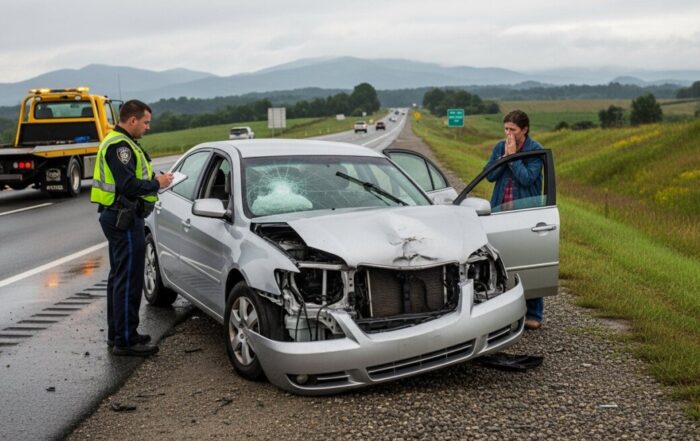
Filing a Claim After a Teen Driver Accident: Key Steps

Getting into a car accident is stressful. Getting into one where a teenager is behind the wheel can add layers of confusion and worry. If you are asking yourself, “can i file claim for accident involving teenager driver,” the short answer is yes, but the process has unique rules and challenges. Teen drivers are often inexperienced, and insurance policies treat them differently depending on whether they are listed on the policy or driving without permission. Understanding your rights and the legal framework is the first step toward recovering compensation for your injuries and damages.
This guide walks through the key factors that determine liability, how insurance coverage works with teen drivers, and what steps you should take immediately after the crash. Whether you were hit by a teen driver or your own teen was behind the wheel, knowing the rules will help you navigate the claims process with confidence.
Who Is Liable When a Teen Driver Causes an Accident?
Liability in a teen driver accident depends on several factors, including who owns the vehicle, whether the teen had permission to drive, and state laws regarding parental responsibility. In most states, parents or guardians can be held financially responsible for damages caused by their minor child while driving. This is often called “vicarious liability” or “family purpose doctrine.” Under this legal principle, if a parent owns a car and allows their teen to use it, the parent is responsible for the teen’s negligent driving.
However, liability is not automatic in every case. If the teen was driving a friend’s car or was using the vehicle without permission, the rules change. For example, if a teen takes the family car without consent, the parent might still be liable under some state laws, but the insurance company will investigate the circumstances closely. If the teen was driving a vehicle owned by someone else, that owner’s insurance policy typically becomes primary coverage.
In our guide on filing a claim after an accident caused by faulty brakes, we explain how mechanical issues can shift liability to repair shops or manufacturers. That principle can also apply if the teen driver’s accident was partly due to vehicle defects.
Insurance Coverage for Teen Drivers: What You Need to Know
Insurance policies in the United States generally cover teen drivers who are listed on the policy. If the teen is a household member and has a driver’s license, most insurance companies require them to be named on the policy. Failure to list a teen driver can result in a claim denial or reduced coverage, depending on the circumstances.
Listed Versus Unlisted Teen Drivers
When a teen driver is explicitly listed on a parent’s insurance policy, the policy’s liability limits apply to the teen just as they would to the parent. This means if the teen causes an accident, the insurance company will pay claims up to the policy’s limits for bodily injury and property damage. If the teen is not listed on the policy, the insurance company may still cover the accident under “permissive use,” but there are risks. Permissive use coverage may be lower than the policy’s stated limits, or the insurer might deny the claim entirely if they believe the parent intentionally failed to add the teen.
Some states have specific laws that require insurers to cover resident relatives who are licensed drivers. In those states, even if the teen is not listed, the policy must provide coverage. Other states allow insurers to exclude unnamed drivers. Reading your policy carefully or consulting with an attorney is essential.
If the teen was driving a vehicle that did not belong to their parents, coverage follows the car, not the driver. The vehicle owner’s insurance pays first, and if that coverage is exhausted, the teen’s parents’ policy may provide secondary coverage.
Can You File a Claim if the Teen Driver Was Not at Fault?
Yes. If the teen driver was not at fault for the accident, you can still file a claim against the at-fault driver’s insurance. For example, if a distracted adult driver rear-ends a teen’s car, the teen passenger or the teen driver can seek compensation from the adult driver’s insurer. The same rules apply to any accident: the injured party has the right to pursue a claim against the negligent party.
If you are the parent of a teen driver who was injured in a crash caused by another driver, you can file a claim on your teen’s behalf. This claim can cover medical bills, lost wages if the teen works, pain and suffering, and property damage. The key is proving that the other driver was negligent. Evidence such as police reports, witness statements, and photos of the scene will be critical.
For more context on how fault is determined in similar situations, see our article on filing a claim for an accident due to a drunk driver, which explains how intoxication can affect liability even when a teen is involved.
Steps to Take After an Accident Involving a Teen Driver
Whether you are the injured party or the parent of the teen driver, taking the right steps immediately after the accident can protect your legal rights and strengthen your claim. Here are the essential actions to follow:
- Ensure everyone is safe and call 911 if there are injuries. Medical attention is the top priority.
- Exchange insurance information with all drivers involved, including the teen driver’s insurance details if they are listed on a policy.
- Take photos of the accident scene, vehicle damage, road conditions, and any visible injuries.
- Get contact information from witnesses and ask for their account of what happened.
- Do not admit fault or apologize, as these statements can be used against you later.
After you have secured the scene, report the accident to your insurance company as soon as possible. Many policies require prompt notification. However, avoid giving a recorded statement without first consulting an attorney, especially if there is a dispute about fault. Insurance adjusters may try to get you to say something that minimizes the claim.
If the teen driver was at fault, notify your own insurance company, but be prepared for the possibility of a rate increase or policy non-renewal. Some insurers offer accident forgiveness programs that may protect your rates after the first at-fault accident.
Special Considerations for Parents of a Teen Driver at Fault
If your teen driver caused the accident, you may be worried about financial liability and insurance consequences. In most states, parents are legally responsible for damages caused by their minor child’s negligence. This means the injured party can pursue a claim against your insurance policy, and if the damages exceed your policy limits, you could be personally sued.
To protect yourself, review your auto insurance policy and understand your liability limits. Consider purchasing an umbrella policy that provides additional coverage beyond your auto policy limits. Many experts recommend at least $300,000 in liability coverage if you have a teen driver in the household.
If the accident resulted in serious injuries, the injured party may also explore a claim against your homeowner’s insurance policy. Some homeowner’s policies cover negligent acts of household members, including auto accidents, under certain circumstances. However, this is not common, and coverage varies widely.
For parents whose teen was injured by someone else, the focus shifts to maximizing recovery. Medical bills for teens can be substantial, especially if there are long-term injuries. In addition to the at-fault driver’s insurance, you may have coverage through your own uninsured or underinsured motorist coverage if the at-fault driver lacks sufficient insurance.
Common Defenses Insurance Companies Use in Teen Driver Claims
Insurance companies often try to reduce or deny claims involving teen drivers by raising certain defenses. Being aware of these tactics can help you counter them effectively.
One common defense is that the teen driver was not listed on the policy, so coverage should be denied. If the teen was a resident of the household and the parent knew the teen was driving, the insurer may still be required to provide coverage under state law. However, if the parent deliberately hid the teen from the policy, the insurer might have grounds to deny the claim.
Another defense is comparative negligence, where the insurer argues that the injured party was partially at fault. For example, if the teen driver ran a red light but the other driver was speeding, the insurer may try to reduce the payout by assigning a percentage of fault to the other driver. In states with pure comparative negligence rules, any fault on the injured party reduces their recovery proportionally. In modified comparative negligence states, if the injured party is 50% or more at fault, they cannot recover anything.
If the accident occurred while the teen was engaged in illegal activity, such as drag racing or driving under the influence, the insurer may deny coverage entirely. Most auto policies exclude intentional acts and criminal activity. In such cases, the injured party may need to pursue a personal injury lawsuit directly against the teen and their parents.
For more insight on how premises liability can intersect with auto accidents, check out our article on filing a claim after an accident on school premises, which covers situations where a crash occurs in a school parking lot or during a school event.
When to Consult a Personal Injury Attorney
Navigating a claim involving a teen driver can be complex, especially when there are disputes over insurance coverage, liability, or the extent of injuries. An experienced personal injury attorney can help you understand your rights, gather evidence, negotiate with insurance companies, and file a lawsuit if necessary.
You should consider speaking with an attorney if any of the following apply:
- The teen driver was not listed on the insurance policy and the insurer is denying coverage.
- Multiple parties were involved in the accident, making liability unclear.
- The accident resulted in serious injuries or significant property damage.
- The insurance company offers a settlement that seems too low.
- You are the parent of the teen driver and face a lawsuit for damages exceeding your policy limits.
Most personal injury attorneys offer free initial consultations, and many work on a contingency fee basis, meaning they only get paid if you recover compensation. This can make legal representation accessible even when you are dealing with medical bills and lost income.
If you are unsure whether to pursue a claim, contact our team at FreeLegalCaseReview.com for a free case evaluation. We can connect you with qualified attorneys who handle teen driver accident cases and help you understand your options.
Frequently Asked Questions
Can I file a claim if the teen driver was uninsured?
Yes. If the teen driver was uninsured, you can file a claim under your own uninsured motorist coverage if you have it. This coverage pays for your medical expenses and other damages when the at-fault driver has no insurance. You may also be able to sue the teen driver and their parents directly, but collecting a judgment depends on their assets.
Will my insurance rates go up if my teen driver causes an accident?
In most cases, yes. An at-fault accident involving a teen driver will likely lead to a rate increase. Some insurers offer accident forgiveness programs that waive the first surcharge, but this depends on your policy and state regulations. It is worth asking your agent about accident forgiveness before the accident occurs.
What if the teen driver was using my car without permission?
If the teen driver took the car without your permission, your insurance may still cover the accident, but the situation is more complicated. Many policies cover permissive use, but if the teen was specifically excluded from the policy or if the car was taken without consent, the insurer might deny the claim. You should report the incident to the police and your insurance company immediately and consult an attorney.
How long do I have to file a claim after a teen driver accident?
The time limit, known as the statute of limitations, varies by state. Most states allow two to three years from the date of the accident to file a personal injury lawsuit. However, claims against government entities or claims involving minors may have shorter deadlines. It is best to act quickly and consult an attorney to ensure you do not miss the deadline.
For more detailed guidance on the claims process, see our article on filing a claim after an accident caused by faulty brakes, which outlines steps that apply to many teen driver scenarios.
Your Next Steps After a Teen Driver Accident
Accidents involving teen drivers raise unique legal and insurance questions, but the path to compensation is clear when you understand the rules. Whether you are the injured party or the parent of a teen driver, knowing how liability and coverage work will help you make informed decisions. Document everything, report the accident promptly, and do not hesitate to seek professional legal advice. A qualified attorney can help you navigate the complexities of teen driver claims and ensure you receive the compensation you deserve.
If you have been involved in an accident with a teen driver, call (833) 227-7919 for a free case evaluation. Our team at FreeLegalCaseReview.com can connect you with experienced attorneys who will protect your rights and fight for your recovery.