
Essential Steps to Take Immediately After a Car Accident
Protect your rights and secure fair compensation after a collision. Call (833) 227-7919 for a free case evaluation with a car accident specialist.

By Desmond Vale
The moments following a car crash are chaotic and stressful. Your heart races, adrenaline surges, and confusion can easily set in. Knowing exactly what to do after a car accident is not just about protecting your legal rights, it is about ensuring the safety of everyone involved and creating a clear path forward for recovery, both physical and financial. This step-by-step guide provides a clear, actionable framework to navigate the immediate aftermath and the crucial days that follow.
Ensure Safety and Secure the Scene
Your first priority is always safety. Panic is a natural reaction, but taking a few deep breaths can help you focus on the necessary actions. First, check yourself and your passengers for injuries. If anyone is seriously hurt, do not move them unless there is an immediate danger, such as a fire. Call 911 immediately to request both medical assistance and police presence. Even if injuries seem minor, the shock of the collision can mask pain, and a medical professional should make that assessment.
If the vehicles are operable and the accident is minor, move them to the shoulder or a safe area out of active traffic lanes to prevent further collisions. Turn on your hazard lights and, if available, set up road flares or warning triangles behind the accident scene to alert oncoming traffic. Remain at the scene. Leaving the scene of an accident, especially one involving injury or significant property damage, can result in serious legal penalties.
Contact Authorities and Exchange Information
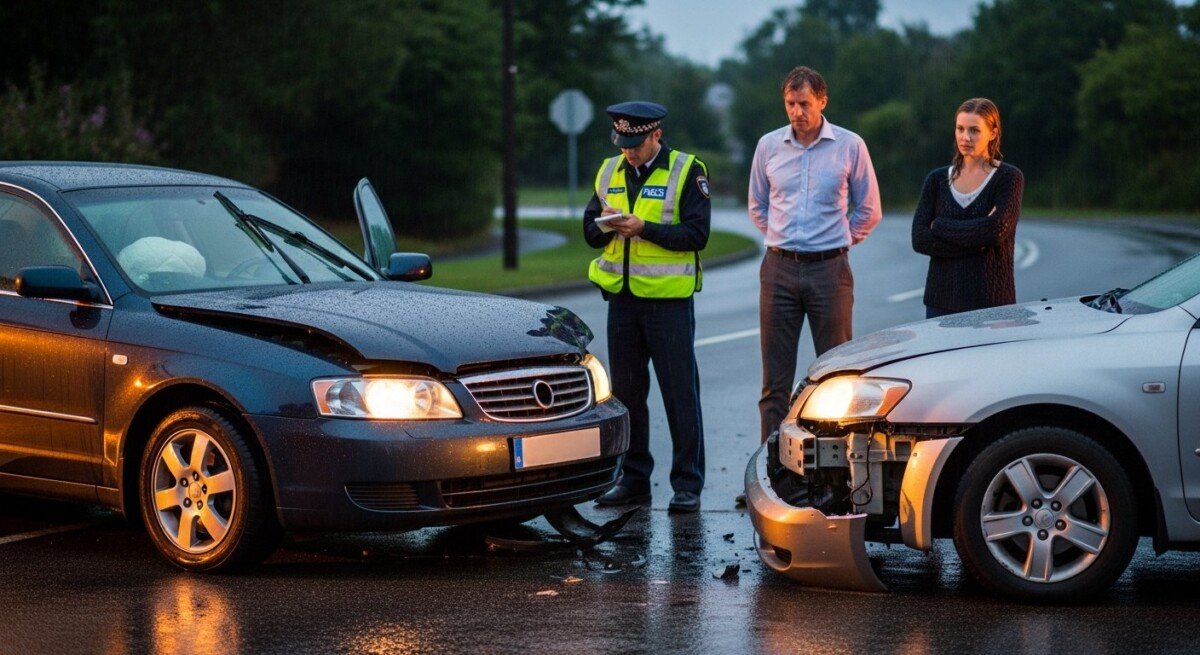
It is critical to have an official record of the incident. A police report provides an independent third-party account of the facts, which becomes invaluable when dealing with insurance companies. When the officer arrives, state the facts clearly and concisely without admitting fault or speculating. Stick to what you know: “I was traveling east on Main Street when the other vehicle ran the red light and struck my passenger side.” Avoid arguments with the other driver at the scene.
While waiting for the police, exchange necessary information with the other driver(s). Use your phone’s notes app or a piece of paper to collect the following details:
- Full name, address, and phone number of all drivers involved.
- Driver’s license numbers and states of issuance.
- Insurance information: company name, policy number, and phone number.
- Vehicle details: make, model, year, color, and license plate number.
- Names and contact information for any passengers or witnesses.
Do not discuss the details of the accident or who was at fault with the other parties. This conversation is for the police and the insurance adjusters. Simply collect the facts.
Document the Accident Thoroughly
In the age of smartphones, comprehensive documentation is easier than ever. This evidence can be the difference between a smoothly handled claim and a contentious dispute. Take photographs and videos from multiple angles, capturing the entire scene. Get wide shots that show the positions of the vehicles, traffic signals, and road conditions. Take close-up photos of damage to all vehicles involved, including your own. Also photograph any visible injuries, skid marks on the road, and relevant street signs or landmarks.
Write down your own account of the events as soon as you are in a safe, quiet place. Memory fades quickly, so document the time, date, location, weather conditions, road conditions, and a sequential description of what happened. Note the direction you were traveling, your speed, and what you observed the other driver doing. This personal record will help you provide consistent statements later. For a deeper understanding of building a strong case, our resource on case preparation outlines the importance of meticulous documentation.
Seek Medical Attention and Understand Your Injuries
This step cannot be overstated. You must seek a professional medical evaluation, even if you feel fine. Some injuries, like whiplash, concussions, or internal bleeding, may not present symptoms until hours or days after the accident. Seeing a doctor creates a medical record that directly links your injuries to the crash. This is essential for any personal injury claim. Follow all treatment plans, attend follow-up appointments, and keep a journal of your symptoms, pain levels, and how the injuries affect your daily life and work.
Be honest and thorough with your healthcare providers. Do not downplay your pain. The medical records generated from these visits will form the cornerstone of your claim for compensation for medical bills, pain and suffering, and lost wages. Ignoring this step can allow an insurance company to argue that your injuries were not serious or were caused by something else entirely.
Notify Insurance Companies and Initiate the Claim
You should notify your own insurance company about the accident promptly, usually within 24 to 48 hours, as most policies require timely reporting. When you speak with the adjuster, provide the basic facts: when and where the accident occurred, the other driver’s information, and the police report number. You are not required to give a recorded statement immediately, and it is often wise to consult with an attorney before doing so, especially if there are injuries or significant damage.
Be cautious when dealing with the other driver’s insurance company. Their adjuster’s primary goal is to settle the claim quickly and for as little money as possible. They may contact you soon after the accident with a settlement offer. Do not accept any offer or sign any documents from the other insurance company before understanding the full extent of your damages and your legal rights. You can learn more about navigating these complex interactions in our article on bad faith insurance tactics.
Understand When to Consult a Car Accident Lawyer
Many people wonder if they need a lawyer after a car accident. For minor fender-benders with no injuries, you may be able to handle the property damage claim yourself. However, consulting with an attorney is strongly recommended in several situations. If you or any passenger suffered an injury, even a seemingly minor one, an attorney can ensure you are compensated for medical costs and other losses. Legal representation is also crucial if the accident was severe, involved a commercial vehicle, resulted in a disputed fault, or if the insurance company denies your claim or offers a lowball settlement.
A skilled attorney handles all communication with insurance companies, investigates the accident, gathers evidence, calculates the full value of your claim (including future medical needs and lost earning capacity), and negotiates a fair settlement. If a settlement cannot be reached, they will be prepared to file a lawsuit. The process of finding the best car accident lawyer near you involves research and consultations to find an advocate who understands your specific situation.
Navigating the Legal and Insurance Process
After the initial flurry of activity, you enter a phase of negotiation and, potentially, litigation. Your attorney will obtain the police report, gather witness statements, and may work with accident reconstruction experts. They will compile all your economic damages: medical bills, repair estimates, rental car costs, and lost wages. They will also quantify non-economic damages like pain and suffering, emotional distress, and loss of enjoyment of life.
Your lawyer will then present a demand package to the at-fault party’s insurance company, outlining the facts of the case, the evidence of liability, and the total damages sought. Negotiations follow. This process can take weeks or months. Understanding the potential case timeline can help set realistic expectations. Most cases settle during this phase. If a fair agreement cannot be reached, your attorney will advise you on the merits of filing a lawsuit, which initiates the formal discovery process and may lead to a trial.
Frequently Asked Questions
What is the most important thing to do right after a crash?
The single most important action is to ensure safety. Check for injuries, call 911 if anyone is hurt, and move vehicles out of traffic if it is safe to do so. Everything else follows this primary concern for human well-being.
Should I always call the police after a car accident?
Yes, it is almost always advisable. A police report provides an official, neutral record of the event. Some jurisdictions require a report for accidents involving injury or property damage over a certain dollar amount (often $500-$1,000). Even for a minor bump, having that report can prevent “he said, she said” disputes later.
What should I NOT say at the accident scene or to insurance adjusters?
Do not apologize or admit fault (e.g., “I’m so sorry, I didn’t see you!”). Do not speculate about what happened. Do not say you are “fine” or “not hurt” before being medically evaluated. To insurance adjusters, avoid giving a recorded statement without legal advice and do not accept the first settlement offer without a full review.
How long do I have to file a lawsuit after a car accident?
This is governed by a law called the statute of limitations, which varies by state. It typically ranges from one to three years from the date of the accident. Missing this deadline will almost certainly bar you from ever recovering compensation, making prompt consultation with a lawyer essential. For specific guidance on selecting representation, consider reading who is the best lawyer for a car accident.
Knowing what to do after a car accident empowers you to protect your health, your rights, and your financial future. By following these steps, you create a solid foundation for recovery. Take action methodically, prioritize your well-being, and seek professional guidance when the situation extends beyond a simple property damage claim. The right decisions in the aftermath can significantly impact the outcome of your case.