
Common Injuries in Truck Accidents and Their Long Term Impact
Understand the severe, life altering injuries common in truck accidents and your legal rights. For a free case evaluation, call (833) 227-7919.

By Max Thompson
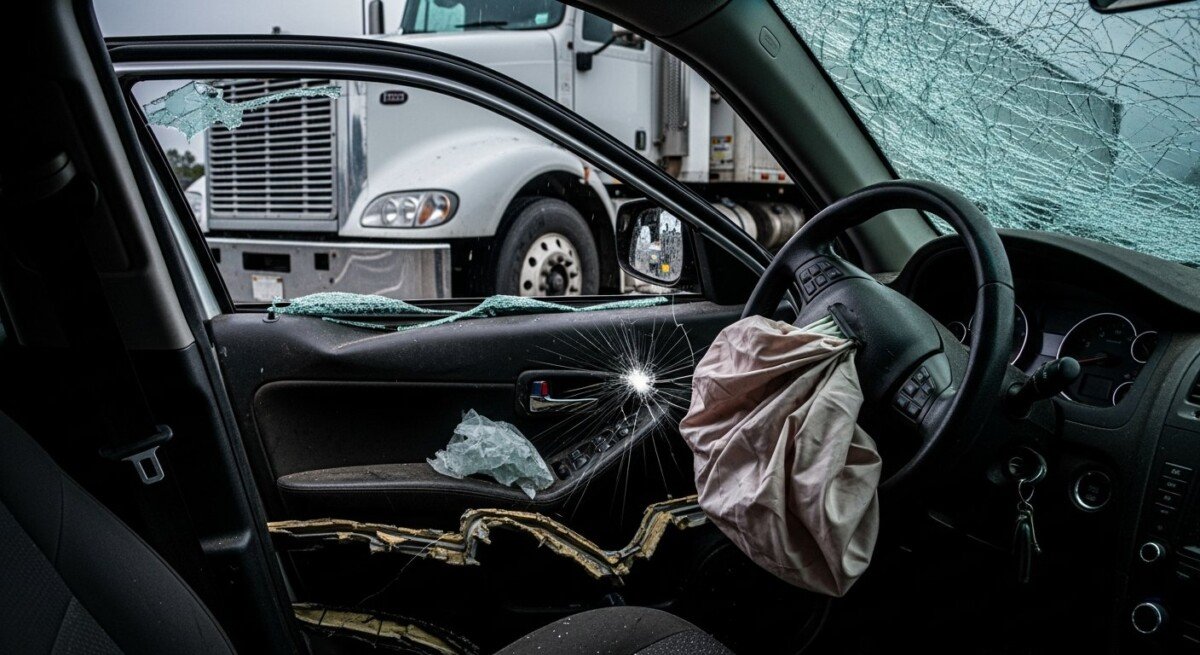
The sheer size and weight disparity between a commercial truck and a passenger vehicle creates a physics problem with devastating human consequences. When a collision occurs, the occupants of the smaller vehicle absorb forces that the human body is not designed to withstand. The resulting trauma often extends far beyond cuts and bruises, leading to life altering physical, cognitive, and emotional injuries. Understanding the specific types of harm that are most prevalent in these catastrophic events is the first step in recognizing the true, long term cost of a truck accident.
The Spectrum of Physical Trauma in Truck Crashes
The initial impact in a truck accident is often described as a violent, crushing event. This force, transferred to the occupants of the passenger vehicle, manifests in a range of severe physical injuries. Unlike fender benders, these collisions frequently involve multiple points of contact, such as being struck, pushed into another object, or run over. The damage is compounded by the load a truck may be carrying, which can shift or spill, adding blunt force or hazardous material exposure to the equation. The medical journey for survivors is typically long, involving emergency intervention, multiple surgeries, and extensive rehabilitation.
Head and Brain Injuries
Traumatic brain injury (TBI) is one of the most serious and common outcomes of a high speed truck collision. Even with airbag deployment, the sudden deceleration can cause the brain to strike the inside of the skull, leading to bruising, bleeding, or swelling. These injuries range from concussions, which are considered mild TBIs, to severe, permanent damage. Symptoms may not be immediately apparent and can include chronic headaches, memory loss, difficulty concentrating, mood swings, and sensory processing issues. The long term care and cognitive therapy required for a severe TBI can result in millions of dollars in lifetime costs, fundamentally altering a victim’s personality and ability to work or live independently.
Spinal Cord Damage and Back Injuries
The spine is particularly vulnerable to the violent whipping motion and compressive forces in a truck accident. Herniated discs, fractured vertebrae, and severe soft tissue damage in the neck and back are extremely common. The most catastrophic outcome is a spinal cord injury (SCI), which can lead to partial or complete paralysis. The location of the injury along the spine determines the extent of the paralysis, such as paraplegia (affecting the lower body) or quadriplegia (affecting all four limbs). Beyond the paralysis itself, SCI victims face a high risk of secondary complications like infections, chronic pain, and respiratory issues, requiring a lifetime of adaptive care, home modifications, and medical support.
Chest and Internal Injuries
The steering wheel, dashboard, or seatbelt itself can cause massive trauma to the chest cavity during a high force collision. Blunt force trauma can lead to broken ribs, a collapsed lung (pneumothorax), or bruising of the heart (myocardial contusion). More critically, broken ribs can puncture lungs or other vital organs, causing internal bleeding that is not immediately visible. Damage to internal organs like the liver, spleen, or kidneys is a medical emergency that requires swift surgical intervention. The recovery from these injuries is painful and lengthy, and they can leave lasting vulnerabilities.
Psychological and Emotional Aftermath
While physical wounds may heal, the psychological scars from a traumatic truck accident can persist for years, profoundly impacting quality of life. It is crucial for victims and their families to recognize these non physical injuries as legitimate and debilitating components of their recovery.
Post traumatic stress disorder (PTSD) is prevalent among survivors of severe motor vehicle accidents. Individuals may experience flashbacks, nightmares, severe anxiety, and hypervigilance, particularly around driving or being in a vehicle. This can make it impossible to return to work or even perform daily tasks. Furthermore, the chronic pain and drastic life changes resulting from physical injuries often lead to clinical depression and anxiety disorders. The combination of physical limitation, financial stress, and emotional turmoil creates a cycle that requires dedicated mental health treatment, which is an essential part of a comprehensive recovery plan.
Why Truck Accident Injuries Are Uniquely Severe
The severity and complexity of injuries in truck accidents are directly attributable to the nature of the vehicles involved. A fully loaded commercial tractor trailer can weigh 20 to 30 times more than a standard car. This mass differential means the passenger vehicle absorbs the overwhelming majority of the crash energy. Furthermore, the height mismatch often causes underride or override scenarios, where the car slides under or is pushed over the truck’s trailer, bypassing the passenger vehicle’s primary safety structures. This frequently leads to catastrophic cabin intrusion, directly exposing occupants to crushing forces. Understanding these mechanical factors is critical when building a case that accurately reflects the extreme forces your body endured, a process detailed in resources like our guide on determining liability in truck accidents.
Critical Steps After a Truck Accident for Injury Protection
Your actions in the immediate aftermath of a crash can significantly influence both your health outcome and your legal rights. While the scene will be chaotic, focusing on a few key steps is vital.
First and foremost, seek medical attention immediately, even if you feel “okay.” The adrenaline from the event can mask serious symptoms. A full medical evaluation creates an essential record linking your injuries directly to the accident. Document everything you can: take photos of the vehicles, the scene, your visible injuries, and the truck’s identifying information. Report the accident to the police and ensure a report is filed. Do not discuss fault or make statements to the trucking company’s insurers. Their primary goal is to minimize their payout, and early statements can be used to devalue your claim. Finally, consult with an attorney who specializes in truck accidents before you provide any recorded statements or sign any documents from insurance companies. The complexities of trucking regulations, multiple potential defendants, and severe injuries necessitate expert legal guidance.
Long Term Costs and the Importance of Comprehensive Compensation
The financial impact of a serious truck accident injury extends far beyond initial ambulance and emergency room bills. To build a claim that truly covers your lifelong needs, you must account for all current and future losses.
The major cost categories include:
- Medical Expenses: Past, present, and future costs for hospitalization, surgery, medication, rehabilitation, physical therapy, and assistive devices (wheelchairs, home modifications).
- Lost Income and Earning Capacity: Compensation for wages lost during recovery and for the reduced ability to earn money in the future if you cannot return to your previous job or work at all.
- Pain and Suffering: Monetary damages for the physical pain, emotional distress, and loss of enjoyment of life you have experienced and will continue to endure.
- Punitive Damages: In cases of egregious negligence, such as a driver exceeding hours of service or a company failing to maintain brakes, courts may award punitive damages to punish the wrongdoer and deter future misconduct.
Calculating these amounts, especially future care costs, requires expert testimony from economists, life care planners, and medical professionals. An experienced attorney will work with these experts to ensure no future need is overlooked, which is a cornerstone of effective case preparation for truck accident claims.
Frequently Asked Questions
What is the most common injury in a truck accident?
While injuries vary, some of the most frequently seen include whiplash and other neck/spine injuries, traumatic brain injuries (TBI), broken bones and fractures, and severe lacerations. The violence of the crash often leads to multiple, concurrent injuries rather than a single one.
Why should I hire a specialized truck accident attorney instead of a general personal injury lawyer?
Truck accident cases involve federal and state regulations, complex insurance policies with high limits, and multiple liable parties (driver, trucking company, cargo loaders, manufacturers). A specialist understands how to investigate logbooks, maintenance records, and driver history to prove negligence and maximize your recovery, navigating the intricate process of determining liability in truck accidents.
How long do I have to file a lawsuit after a truck accident?
This is governed by a law called the statute of limitations, which varies by state. It typically ranges from one to three years from the date of the accident. However, due to the complexity of these cases, immediate action is crucial to preserve evidence and begin the investigation before critical data is lost.
What if I was partially at fault for the accident?
Many states use comparative negligence rules. This means your compensation may be reduced by your percentage of fault. For example, if you are found 20% at fault, your recovery would be reduced by 20%. An attorney can argue to minimize your assigned fault. Even if you believe you may share some blame, it is essential to consult a lawyer, as the trucking company’s negligence is often the primary cause.
How are pain and suffering damages calculated?
There is no fixed formula. Insurance companies and juries consider the severity and permanency of your injuries, the impact on your daily life, the duration of your recovery, and the level of physical pain and emotional anguish. Detailed medical records, a personal journal, and testimony from family and friends help substantiate these non economic damages, a key element in building a strong case for liability and damages.
The aftermath of a truck accident is a challenging journey of physical recovery and legal complexity. The injuries common in truck accidents demand a recognition of their profound and lasting impact. By securing thorough medical documentation and expert legal representation, you can focus on healing while building a claim that fully addresses the lifetime of needs created by the crash. Protecting your health and your legal rights is the only path to a stable future.