Claim Injury From a Chain Reaction Crash: Your Rights
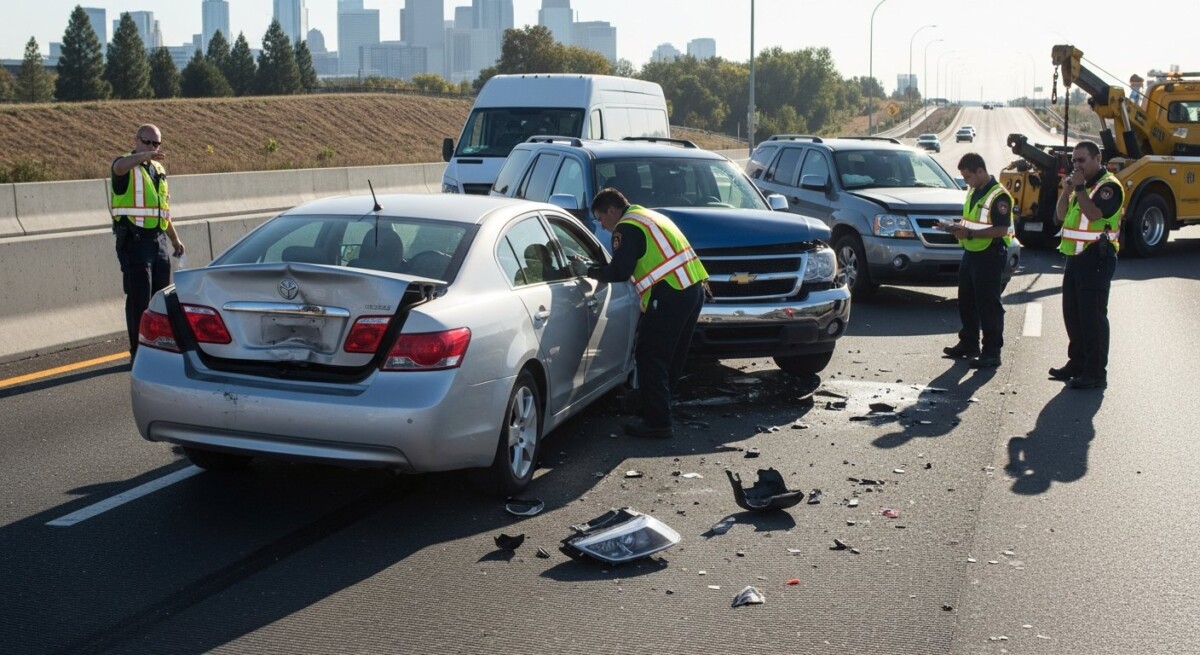
You are driving on a busy highway when a car hits the vehicle behind you, which then smashes into your bumper. Within seconds, a pileup of three, four, or more vehicles creates a tangled mess of metal. In the chaos, you feel a sharp pain in your neck and back. The immediate question that arises is: can I claim injury from a chain reaction crash? The short answer is yes, but the path to compensation is more complex than a standard two-car accident. Understanding how liability works in a multi-vehicle collision is critical to protecting your legal rights and securing the medical and financial support you need.
Chain reaction crashes, also known as pileups or multi-vehicle accidents, involve a series of impacts where one vehicle strikes another, which then strikes another, and so on. Unlike a simple rear-end collision where fault is often clear, a chain reaction crash can involve multiple drivers, each contributing to the overall harm. Insurance companies and courts must untangle which driver or drivers caused the initial impact and which subsequent impacts were foreseeable. This complexity does not mean you cannot recover damages; it means you need a strategic approach to proving fault and documenting your injuries.
In this article, we will explain the legal principles that govern chain reaction crashes, how to establish liability, what types of compensation you may be entitled to, and the critical steps you must take immediately after the accident. We will also address common questions about shared fault and dealing with multiple insurance companies. By the end, you will have a clear roadmap for pursuing your claim and maximizing your recovery.
How Liability Works in a Chain Reaction Crash
Liability in a chain reaction crash is rarely straightforward. In a typical two-car rear-end collision, the rear driver is almost always at fault because drivers have a duty to maintain a safe following distance. However, in a pileup, the rear driver may argue that they were pushed into your car by a third vehicle, or that the initial crash was caused by someone else’s sudden lane change or reckless driving. To determine who is legally responsible for your injuries, courts and insurers apply the concept of proximate cause.
Proximate cause asks whether a driver’s negligence directly and foreseeably led to the accident and your injuries. For example, if Driver A rear-ends Driver B, causing Driver B to rear-end you, Driver A may be the proximate cause of your injuries even though they never touched your car. If Driver A was speeding or distracted, their negligence set off the chain reaction. In other cases, multiple drivers may share fault. If Driver B was following too closely and could have stopped but did not, Driver B may also bear some responsibility. States use different rules to divide fault: pure comparative negligence, modified comparative negligence, or contributory negligence. In a pure comparative negligence state like California, you can recover damages even if you are 99% at fault, though your award is reduced by your percentage of fault. In a modified comparative negligence state, you can recover only if you are less than 50% or 51% at fault, depending on the state. In the few contributory negligence states like Virginia, any fault on your part bars recovery entirely.
Because of these nuances, you should never admit fault at the scene or accept a quick settlement offer from an insurance adjuster. The other drivers’ insurers will try to shift blame onto you or onto each other. Your goal is to gather evidence that shows the specific negligent actions that caused the initial impact and the subsequent collisions that injured you. This evidence includes police reports, witness statements, traffic camera footage, and expert accident reconstruction analysis.
Proving Negligence in a Multi-Vehicle Accident
To successfully answer the question can I claim injury from a chain reaction crash, you must prove that one or more drivers acted negligently and that their negligence directly caused your injuries. Negligence has four elements: duty, breach, causation, and damages. Every driver owes a duty to operate their vehicle safely and obey traffic laws. A breach occurs when a driver violates that duty by, for example, speeding, texting while driving, running a red light, or failing to maintain a safe distance. Causation requires showing that the breach was the actual and proximate cause of the accident and your injuries. Damages refer to the physical, financial, and emotional harm you suffered.
In a chain reaction crash, the initial at-fault driver is often the easiest to identify. If a driver rear-ends the car at the back of the line, that driver is typically the first negligent party. However, subsequent drivers may also be negligent if they had time to react but failed to do so. For instance, if the second car in the pileup was following too closely and could have stopped but instead slammed into you, that driver may share fault. An experienced personal injury attorney can help you identify all potentially liable parties and build a case against each one.
One powerful tool in multi-vehicle accidents is the concept of joint and several liability, which some states apply. Under this doctrine, if multiple defendants are found negligent, each can be held responsible for the full amount of your damages, regardless of their individual share of fault. This means you can collect the entire compensation from the defendant with the most insurance coverage or the deepest pockets, even if that defendant was only 20% at fault. Other states use several liability, where each defendant pays only their proportionate share. Knowing which rule applies in your state is essential for deciding which parties to pursue.
Types of Compensation You Can Claim
If you can establish liability, you may be entitled to recover both economic and non-economic damages. Economic damages are quantifiable financial losses, including medical expenses, lost wages, property damage, and rehabilitation costs. Non-economic damages compensate for pain and suffering, emotional distress, loss of enjoyment of life, and permanent disability. In rare cases where a driver’s conduct was particularly egregious, such as drunk driving, punitive damages may also be available to punish the wrongdoer and deter similar behavior.
Medical expenses can be substantial after a chain reaction crash. Even if you feel fine immediately after the accident, adrenaline can mask injuries like whiplash, herniated discs, or internal bleeding. You should seek medical attention promptly, not only for your health but also to create a medical record linking your injuries to the crash. Keep copies of all bills, diagnostic reports, and treatment plans. Lost wages include income you missed while recovering, as well as any reduction in future earning capacity if your injuries cause long-term disability.
Pain and suffering damages are more subjective but equally important. Insurance adjusters often try to minimize these damages, especially in multi-vehicle cases where they argue that the impact was minor. Do not accept a lowball offer without consulting an attorney. A skilled lawyer can calculate the true value of your claim by considering the severity of your injuries, the duration of your recovery, and the impact on your daily life. In our guide on claiming injury after a minor crash, we explain how even seemingly minor accidents can lead to significant compensation.
Steps to Take Immediately After a Chain Reaction Crash
Your actions in the minutes, hours, and days after a chain reaction crash can make or break your claim. Follow these steps to protect your health and your legal rights.
First, prioritize safety. Move your vehicle to the shoulder if possible and turn on your hazard lights. Check yourself and your passengers for injuries. Call 911 to report the accident and request medical assistance. Even if you think you are unharmed, let paramedics evaluate you at the scene. They may detect injuries you cannot feel due to adrenaline. Accepting medical transport to an emergency room also creates an official record that you were injured in the crash.
Second, document everything. Take photos and videos of the accident scene, including the positions of all vehicles, damage to each car, skid marks, debris, road conditions, and traffic signs. Get contact information and insurance details from every driver involved. If there are witnesses, ask for their names and phone numbers. Do not discuss fault with other drivers or their insurers. Stick to the facts: what happened from your perspective without assigning blame. If the police arrive, give a clear, concise statement and ask for the officer’s name and badge number so you can obtain a copy of the police report later.
Third, seek medical follow-up even if you were cleared at the scene. Some injuries, such as soft tissue damage or concussions, may not appear for days or weeks. A delayed diagnosis can hurt your claim because the insurance company may argue that your injuries were caused by something else. To strengthen your case, keep a pain journal documenting your symptoms, limitations, and treatment. This evidence is invaluable when negotiating a settlement or testifying in court.
Dealing With Multiple Insurance Companies
One of the most challenging aspects of a chain reaction crash is navigating multiple insurance claims. Each driver involved may have a separate insurance policy, and each adjuster will try to minimize their insured’s liability. You may need to file claims against several policies to recover full compensation. This process can be overwhelming, especially while you are recovering from injuries.
Your own insurance policy may also provide coverage. If you have personal injury protection (PIP) or medical payments coverage, you can use it to pay for immediate medical bills regardless of fault. If the at-fault drivers have insufficient coverage, your uninsured or underinsured motorist coverage may step in to fill the gap. An attorney can help you identify all available coverage sources and negotiate with adjusters on your behalf.
Insurance companies often try to settle quickly before you fully understand the extent of your injuries. Do not sign any release or accept a settlement until you have completed your medical treatment and know your long-term prognosis. Once you settle, you cannot go back and ask for more money, even if your condition worsens. A reputable attorney can handle all communications with insurers, allowing you to focus on recovery. As we discuss in our article on boating accident claims, the same principles of proving negligence and preserving evidence apply across different types of accident claims.
When Shared Fault Reduces Your Recovery
In some chain reaction crashes, you may be partially at fault. For example, if you changed lanes abruptly or were speeding, you might have contributed to the pileup. Under comparative negligence laws, your compensation is reduced by your percentage of fault. If your damages total $100,000 and you are found 20% at fault, you would receive $80,000. In a modified comparative negligence state, if you are 50% or more at fault, you may recover nothing. This is why it is crucial to avoid admitting fault and to hire an attorney who can argue that your actions were not negligent or that other drivers bear greater responsibility.
Even if you believe you were partially at fault, you should still consult an attorney. Many people assume they cannot claim injury from a chain reaction crash because they made a minor mistake, but the law often allows recovery despite some fault. An attorney can evaluate the facts and advise you on the best strategy. Additionally, if you signed a liability waiver before participating in a related activity, such as a driving event, your ability to claim may be affected. For more on this topic, see our guide on claiming injury despite signing a liability waiver.
The Role of an Attorney in Chain Reaction Crash Claims
Given the complexity of multi-vehicle accidents, hiring a personal injury attorney is not just advisable; it is often essential. An attorney can conduct a thorough investigation, hire accident reconstruction experts, calculate the full value of your damages, and negotiate with multiple insurance companies. If a fair settlement cannot be reached, your attorney can file a lawsuit and represent you in court. Most personal injury attorneys work on a contingency fee basis, meaning they only get paid if you win. This arrangement makes legal representation accessible even if you cannot afford upfront costs.
Your attorney will also ensure that you meet all legal deadlines, known as statutes of limitations. Each state sets a time limit for filing personal injury claims, typically between one and six years from the date of the accident. Missing this deadline can bar you from recovering any compensation. An attorney will track these deadlines and file your claim on time. In addition, if your claim involves a public transport vehicle, such as a bus or train that caused or was involved in the chain reaction, special rules and shorter notice periods may apply. For more information, read our article on claiming injury after a public transport accident.
Frequently Asked Questions
Can I claim injury from a chain reaction crash if I was the first car hit?
Yes. Even if you were the first car struck, you can still claim damages if another driver’s negligence caused the accident. Your claim depends on proving that the driver who hit you was at fault, or that a chain of negligence led to the collision.
What if I cannot identify which driver caused the initial impact?
If the at-fault driver is unknown or uninsured, you may still recover through your own uninsured motorist coverage or by filing claims against other negligent drivers in the pileup. An attorney can help identify all possible sources of compensation.
How long do I have to file a claim after a chain reaction crash?
The statute of limitations varies by state, typically ranging from one to six years. You should consult an attorney as soon as possible to ensure you do not miss the deadline. Delaying can also result in lost evidence and weakened witness memories.
Will my insurance rates increase if I file a claim?
Filing a claim can potentially lead to a rate increase, especially if you are found partially at fault. However, if another driver is primarily responsible, your rates may not increase. Discuss this with your insurance agent and your attorney to understand the potential impact.
Can I settle my claim without an attorney?
You can, but it is not recommended. Insurance adjusters are skilled negotiators who may offer a settlement far below the true value of your claim. An attorney can level the playing field and maximize your recovery.
If you have been injured in a chain reaction crash, do not wait to take action. The sooner you begin gathering evidence and building your case, the stronger your claim will be. Contact a qualified personal injury attorney today to discuss your situation and explore your options for compensation.
For a free case evaluation and to speak with experienced attorneys who can help you navigate the complexities of a chain reaction crash claim, call us at (833) 227-7919. Our team is ready to answer your questions and fight for the compensation you deserve.