Can Weather Hazards Justify an Accident Claim
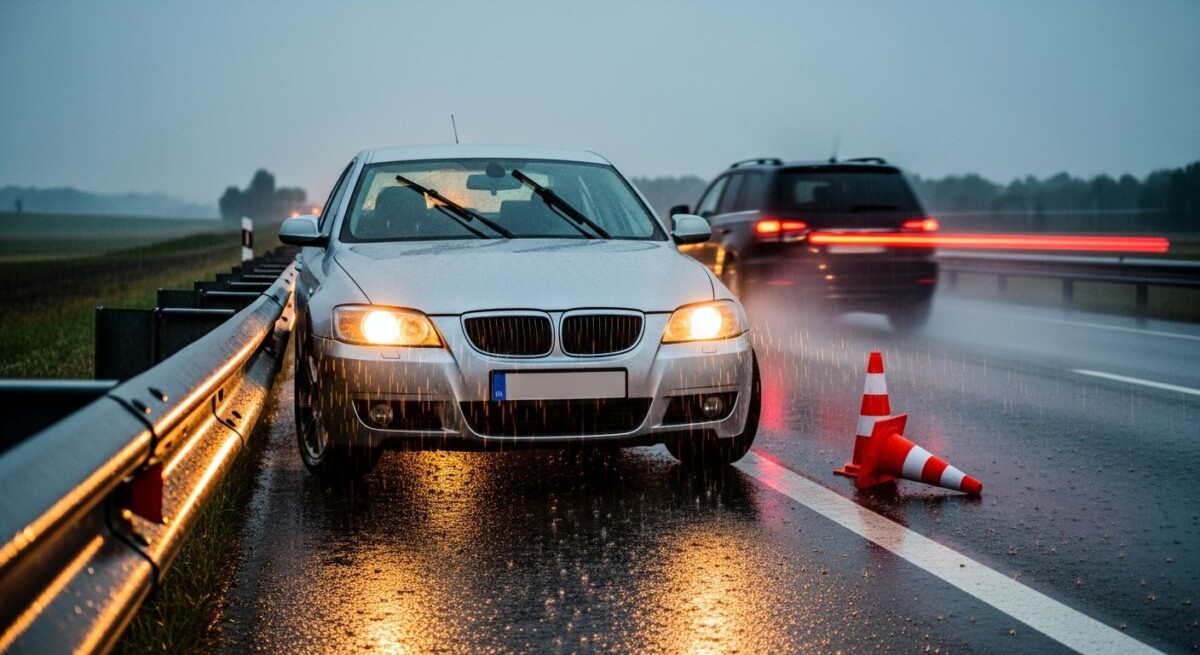
When a sudden rainstorm, black ice, or thick fog causes a car accident, many drivers wonder if they can still seek compensation. The short answer is yes, but the process involves unique legal hurdles. Weather conditions can make roads treacherous, but insurance companies often argue that drivers should have adjusted their behavior accordingly. Understanding how to file a claim for an accident caused by weather hazards requires a clear grasp of negligence, fault laws, and evidence requirements.
Understanding Liability in Weather-Related Accidents
Liability in a weather-related crash hinges on whether a driver acted reasonably under the conditions. Courts generally hold that weather does not excuse negligent driving. Instead, it raises the standard of care. For example, if rain reduces visibility, a driver must slow down and turn on headlights. If they fail to do so and cause a collision, they may be liable even though rain was a factor.
Insurance adjusters frequently deny claims by arguing that the weather was the sole cause of the accident. However, if another driver’s negligence contributed, you may still have a valid claim. The key is proving that the other driver failed to adapt to the weather. This could include following too closely on slick roads, driving too fast for conditions, or failing to use windshield wipers properly.
Types of Weather Hazards and Their Impact on Claims
Different weather hazards create different legal scenarios. Rain, snow, ice, fog, and wind each require drivers to take specific precautions. When evaluating your case, consider how the hazard affected the other driver’s behavior. For instance, hydroplaning on wet pavement can be caused by excessive speed or worn tires. If the other driver was speeding in heavy rain, their negligence likely contributed to the crash.
Similarly, black ice is notoriously dangerous because it is nearly invisible. If a driver loses control on black ice, liability may rest on whether they were warned or should have anticipated icy conditions. In some cases, the government or a property owner may share liability if they failed to treat the road or post warnings. Our guide on filing a claim after accident on school premises explains how premises liability can apply when unsafe conditions exist on owned property.
Proving Negligence When Weather Is a Factor
To succeed with a claim, you must show that the other driver was negligent and that their negligence caused your injuries. This becomes more complex when weather is involved because the defense will argue that the weather was an unavoidable act of nature. You can counter this by gathering evidence that demonstrates unreasonable behavior.
- Police reports: Officers often note road conditions and whether drivers were cited for driving too fast for conditions.
- Witness statements: Passengers or other drivers can confirm whether the at-fault driver was swerving, speeding, or distracted.
- Dashcam footage: Video evidence can show exactly how each driver reacted to the weather.
- Weather data: Official reports from the National Weather Service can prove the exact conditions at the time of the crash.
- Vehicle data: Black box data can reveal speed, braking, and steering inputs before impact.
Collecting this evidence quickly is critical because weather conditions change rapidly. If you delay, you may lose access to traffic camera footage or witness memories. An attorney can help you subpoena records and preserve digital evidence before it is overwritten.
Comparative and Contributory Negligence Rules
Your state’s fault laws will directly affect your ability to recover compensation. In pure comparative negligence states, you can recover damages even if you are 99% at fault, though your award is reduced by your percentage of fault. In modified comparative negligence states, you cannot recover if you are 50% or 51% at fault. In contributory negligence states, any fault on your part bars recovery entirely.
Weather can complicate these calculations. If you were driving below the speed limit but still lost control on ice, an adjuster might argue that you should have driven even slower or stayed home. This is why having an experienced attorney is essential. They can present evidence that your actions were reasonable given the circumstances. For more on how road conditions affect liability, read our article on can I sue for accident caused by road hazards.
Filing a Claim: Step-by-Step Process
If you decide to file a claim for an accident caused by weather hazards, follow these steps to protect your rights.
- Seek medical attention: Even if injuries seem minor, a doctor can document them and link them to the crash.
- Report the accident: Call law enforcement and obtain a police report. Do not leave the scene without a report.
- Document the scene: Take photos of the vehicles, road conditions, skid marks, and weather. Capture wide shots and close-ups.
- Exchange information: Get the other driver’s name, insurance details, and contact information. Also collect witness contacts.
- Notify your insurer: Report the accident promptly. Be honest but avoid admitting fault or speculating about weather causes.
- Consult an attorney: A lawyer can evaluate your case, handle negotiations, and ensure you do not accept a lowball offer.
Insurance companies often try to settle weather-related claims quickly and cheaply. They may offer a small payout hoping you will accept before realizing the full extent of your injuries. Do not sign anything until you have legal advice.
When the Government or Third Parties Are Responsible
Sometimes the weather hazard is compounded by a dangerous road condition caused by poor maintenance. For example, a road with inadequate drainage may flood repeatedly. If a government agency knew about the problem and failed to fix it, they may share liability. Similarly, a construction zone with missing signs or loose gravel can create hazards during rain.
Claims against government entities have strict deadlines and notice requirements. You may have only a few months to file a notice of claim. Missing this window can forfeit your right to sue. An attorney can determine whether a third party, such as a property owner or contractor, bears responsibility. This is another reason to seek legal help early.
Insurance Company Tactics in Weather Claims
Insurers routinely use weather as a shield to deny or reduce claims. Common tactics include arguing that the accident was an unavoidable act of God, that you were driving too fast for conditions, or that you failed to maintain your vehicle. They may also blame you for not having proper tires or windshield wipers.
To counter these arguments, your attorney will gather evidence of the other driver’s specific failures. For instance, if the other driver was texting while approaching a patch of ice, their distraction is the real cause, not the ice itself. The weather is merely the backdrop. Your legal team can pressure insurers by highlighting these facts and threatening litigation if a fair settlement is not offered.
Compensation You May Recover
If your claim succeeds, you can recover damages for medical expenses, lost wages, property damage, pain and suffering, and other losses. In weather-related cases, the amount depends on the severity of your injuries and the strength of the evidence. Punitive damages are rare but possible if the other driver acted recklessly, such as driving at high speed during a blizzard.
Keep in mind that insurance policy limits cap the payout. If the at-fault driver has minimal coverage, you may need to tap your own uninsured or underinsured motorist coverage. An attorney can help you explore all available sources of compensation.
Frequently Asked Questions
Can I file a claim if I caused the accident due to weather?
If you were solely at fault, you generally cannot claim against another driver. However, your own collision coverage may pay for vehicle repairs, and your health insurance can cover medical bills. If another party’s negligence contributed, such as a poorly maintained road, you may still have a claim.
Does insurance cover accidents caused by weather?
Comprehensive coverage typically covers damage from weather events like hail or falling tree limbs. Collision coverage covers damage from a crash, regardless of weather. However, liability claims against another driver require proving negligence.
What if the other driver fled the scene in bad weather?
Hit-and-run accidents are challenging, but uninsured motorist property damage coverage may help. Report the accident immediately and look for witnesses or cameras that may have captured the vehicle.
How long do I have to file a claim?
Statutes of limitations vary by state, typically ranging from one to six years. If the claim involves a government entity, the deadline may be much shorter. Consult an attorney promptly.
Weather hazards can turn a routine drive into a devastating crash. While filing a claim is possible, success depends on proving that another driver’s negligence, not the weather alone, caused your injuries. Gathering strong evidence, understanding your state’s fault laws, and working with an experienced attorney can make the difference between a denied claim and fair compensation. If you or a loved one has been injured in a weather-related accident, do not assume you have no recourse. Contact a legal professional to evaluate your case and protect your rights.