
Social Security Disability Appeal Hearing Step by Step
Understand each stage of a Social Security disability appeal hearing, from request to decision. Call (833)-248-4565 for a free case evaluation.

You opened the denial letter, filed the reconsideration, and received another rejection. The next stop is a hearing before an administrative law judge, and the idea of sitting in a room with a judge and a vocational expert can feel overwhelming. But the hearing is often your best chance to win benefits, and it is far less mysterious once you understand the sequence. This social security disability appeal hearing step by step walkthrough explains the timeline, the people in the room, the evidence you need, and what happens after the judge rules. If your original claim was recently denied, you can also review our guide on what to do after a Social Security disability denial before moving forward.
From Request to Hearing: The Timeline You Should Expect
After a reconsideration denial, you have 60 days to request a hearing before an administrative law judge (ALJ). The Social Security Administration (SSA) must receive your request in writing, and you can file online, by mail, or in person at your local field office. Once the request is processed, your case goes into a queue that varies dramatically by hearing office. In some regions, a hearing may be scheduled within six to nine months. In others, the wait can stretch to 18 months or longer.
Several weeks before the hearing date, the SSA sends a Notice of Hearing. This document identifies the judge assigned to your case, the time and location of the hearing, and whether it will be held in person, by video, or by telephone. The notice also explains your right to representation and your right to review the evidence in your file. You should read it carefully and calendar every deadline listed, because missing a deadline can delay your case or cause it to be dismissed.
Between the request and the hearing, you must submit all relevant medical records and written statements. The SSA generally requires you to send evidence at least five business days before the hearing, though ALJs have discretion to accept later submissions if you show good cause. Building a complete record early is one of the most reliable ways to improve your odds. The hearing itself typically lasts 30 to 90 minutes, but the preparation phase is where most of the work happens.
Who Is in the Room and How Testimony Works
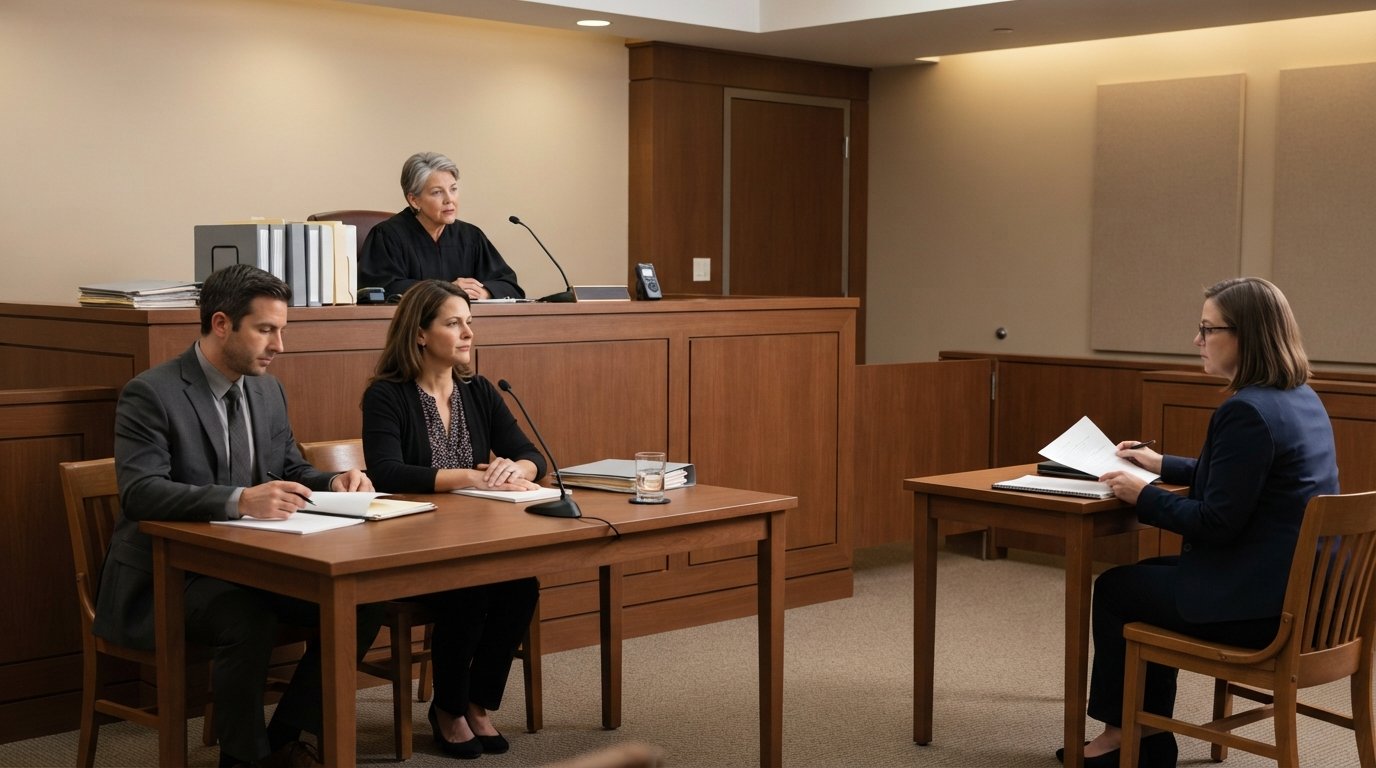
An ALJ hearing is less formal than a courtroom trial, but it follows a structured format. The judge runs the proceeding, and there is no jury. Depending on your case, the following people may attend:
- Administrative law judge: The decision-maker who questions you and evaluates the evidence.
- You: The claimant, who testifies under oath about your conditions, daily activities, and work history.
- Your representative: An attorney or non-attorney advocate who can question witnesses and make closing arguments.
- Vocational expert (VE): A specialist who testifies about jobs that exist in the national economy and whether you could perform them.
- Medical expert (ME): A physician who may testify about your medical records, though not every hearing includes one.
The judge usually begins by confirming basic information and swearing in the witnesses. Then you testify. Expect questions about your symptoms, medications, side effects, sleep patterns, household chores, social activities, and why you believe you cannot work. The judge may also ask about your past jobs and the physical or mental demands they required. Answer honestly and consistently. If you do not understand a question, ask for clarification rather than guessing.
After your testimony, your representative may ask follow-up questions, and then the vocational expert may testify. The VE is typically asked whether a hypothetical person with your limitations could perform any of your past jobs or other jobs in the economy. Your representative can challenge the VE's assumptions. The judge may also ask the medical expert to comment on the severity of your impairments. At the end, the judge may leave the record open for a short period to allow additional evidence, or close the record and issue a decision later.
Preparing Exhibits, Witness Statements, and Medical Source Statements
The strongest hearing cases are built on documentation. Before the hearing, you should gather and submit updated medical records from every treating source, including primary care physicians, specialists, therapists, and hospitals. If your condition has worsened or you have new diagnoses, those records matter. The SSA will also request records, but do not assume they will obtain everything. You have the right to submit evidence yourself, and you should confirm that the hearing office received it.
Witness statements can add context that medical records cannot capture. A spouse, family member, or close friend can describe how your condition affects your daily life, such as needing help with meals, transportation, or personal care. These statements should be specific and factual, not exaggerated. A medical source statement from your treating physician is even more valuable. This is a form or letter in which your doctor opines on your functional limitations, such as how long you can sit, stand, or walk, how much you can lift, and whether you can maintain concentration. Not every doctor will complete one, but it is worth asking.
You should also prepare your own written summary of symptoms and limitations. Keep a daily log for a few weeks before the hearing. Note your pain levels, medication side effects, fatigue, and any activities you had to skip. This log can refresh your memory and serve as an exhibit if the judge allows it. Organize everything in a binder or digital folder with tabs for medical records, statements, and correspondence. Being able to find a document quickly during the hearing helps your representative and shows the judge you are prepared.
What Happens After the Decision, Including Appeals Council Options
After the hearing, the ALJ issues a written decision. The wait can range from a few weeks to several months. The decision will either be fully favorable, partially favorable, or unfavorable. A fully favorable decision means you are approved for benefits. A partially favorable decision may approve benefits for a limited period or with a later onset date. An unfavorable decision means the judge found you not disabled under the SSA rules.
If you receive an unfavorable decision, you have 60 days to request review by the Appeals Council. The Appeals Council does not hold a new hearing. It reviews the record to determine whether the ALJ made a legal or procedural error or whether the decision is supported by substantial evidence. You can submit new evidence to the Appeals Council, but it must relate to the period on or before the ALJ's decision, and you must show good cause for not submitting it earlier. The Appeals Council may deny review, remand the case to a new ALJ, or issue its own decision. If the Appeals Council denies review, you may file a civil action in federal district court.
If your decision is favorable, the SSA will calculate your back pay and begin monthly benefits. The process can still take several months, so keep your contact information current with the SSA. If you moved or changed phone numbers, report the change immediately. You should also watch for any requests for additional information, such as proof of living arrangements or bank account details for direct deposit.
Practical Steps to Strengthen Your Hearing Case
Preparation is not just about gathering paper. It is about presenting a coherent story that connects your medical conditions to your functional limitations and your inability to work. The following steps can help you stay organized and focused:
- Review your file early. Request a copy of your disability file and read the denial notices to understand why the SSA said you are not disabled.
- Update your medical treatment. Continue seeing your doctors and follow their recommendations. Gaps in treatment can undermine your credibility.
- Prepare your testimony. Practice describing your worst days and your good days. Be specific about what you cannot do and why.
- Coordinate with your representative. If you have an attorney or advocate, meet before the hearing to review the evidence and discuss likely questions.
- Confirm hearing logistics. Know the location, time, and format. If you need accommodations, contact the hearing office in advance.
Many claimants find that the hearing is less intimidating than they feared. The judge is not there to trick you. The judge is there to develop the record and make a fair decision. Your job is to be honest, consistent, and prepared. If you are still looking for legal representation, you can request a free case evaluation through services like CheapInjuryLawyer to connect with attorneys who handle disability and injury claims on a contingency basis.
Finally, remember that the hearing is one step in a longer process. Even if you lose at the hearing, the Appeals Council and federal court remain available. Each stage has its own deadlines and rules, so stay organized and seek help if you need it. The social security disability appeal hearing step by step process rewards those who document their limitations and show up prepared.