
How to Gather Evidence for a Personal Injury Claim: A Step-by-Step Guide
Master how to gather evidence for a personal injury claim with our step-by-step guide. For a free case evaluation, call (833)-248-4565 today.

By Hestia Bloom
After an accident, the actions you take in the first few days can significantly impact the outcome of your personal injury claim. Insurance adjusters and defense attorneys will scrutinize every detail, looking for gaps or inconsistencies that could reduce your compensation. The evidence you collect, preserve, and organize tells the story of what happened and why you deserve fair treatment. Without strong proof, even a legitimate injury can be undervalued or denied. This guide walks you through how to gather evidence for a personal injury claim effectively, from the scene of the incident to the final settlement demand. Whether you are dealing with a car crash, a slip and fall, or a workplace injury, these steps will help you build a compelling case.
Collect Evidence at the Scene Immediately
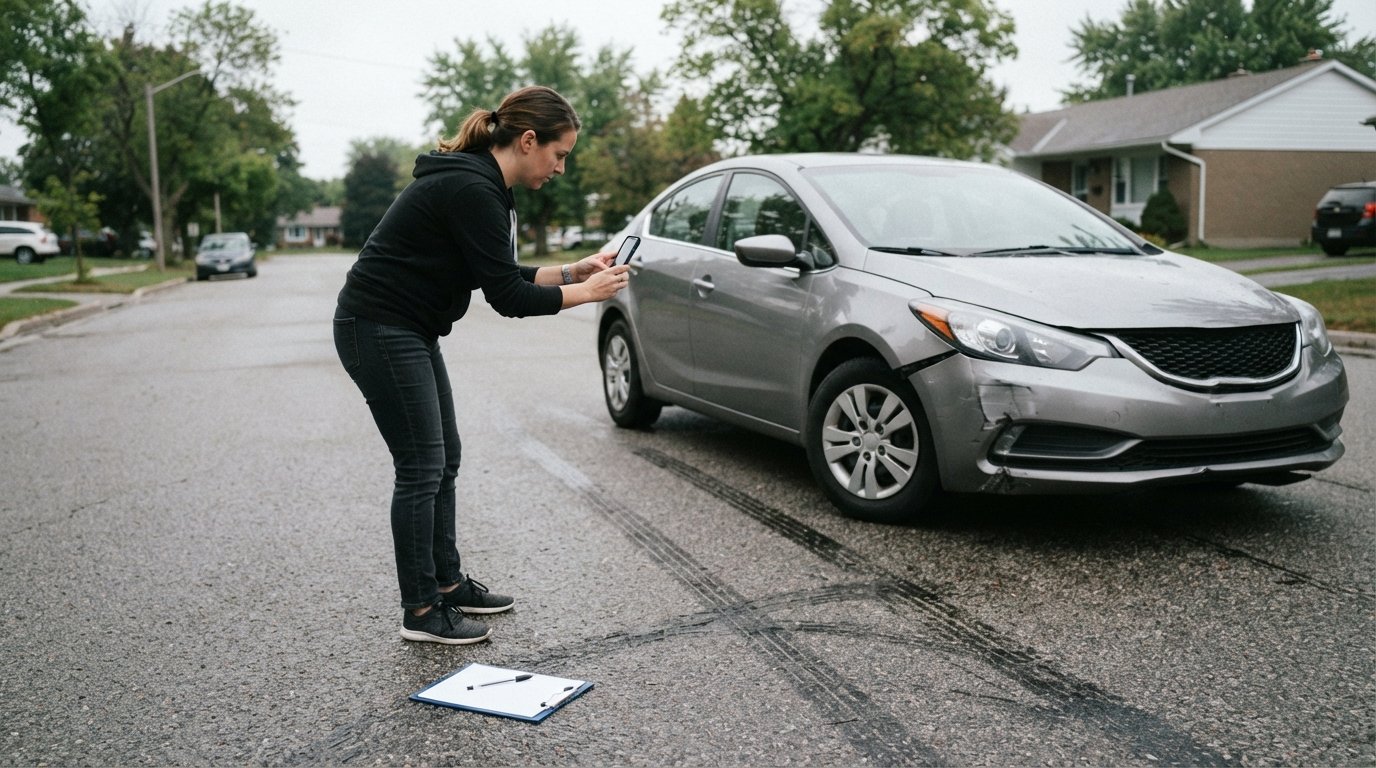
The moments right after an accident are chaotic, but they are also your best opportunity to capture critical evidence. If you are physically able and it is safe to do so, document the scene before anything is moved or cleaned up. This is the most time-sensitive part of how to gather evidence for a personal injury claim. Start by taking wide-angle photos that show the overall location, then move in for close-ups of any hazards, damage, or injuries. For a car accident, photograph vehicle positions, skid marks, traffic signals, and road conditions. For a slip and fall, capture the spilled liquid, torn carpet, or uneven surface that caused your fall, along with the surrounding area.
Witness statements are equally valuable. Get the names and contact information of anyone who saw the incident, including bystanders, other drivers, and employees. Ask them what they observed and write down their account while it is fresh. If they are willing, record a brief video or audio statement on your phone. Incident reports are another key piece: if police respond to the scene, request a copy of the report number and later obtain the full report. If the incident occurred at a business, ask a manager to file a written incident report and get a copy for your records. These formal documents carry weight because they are created close to the event and by neutral parties.
Document Your Injuries and Medical Treatment
Medical records are the backbone of any personal injury claim. They prove the nature and severity of your injuries, link them to the accident, and justify the compensation you seek. Visit a doctor as soon as possible after the incident, even if you feel fine at first. Some injuries, like whiplash or internal bleeding, may not show symptoms immediately. A prompt medical evaluation creates a documented connection between the accident and your injuries, which is essential when the insurance company questions causation.
Follow your doctor's treatment plan diligently. Missed appointments or gaps in treatment give insurers an excuse to argue that your injuries are not serious or that you recovered quickly. Keep a detailed symptom journal that records pain levels, limitations on daily activities, and any side effects from medication. This journal supplements the clinical notes and provides a personal account of how the injury affects your life. Also, save all medical bills, receipts, and explanation of benefits statements. These documents support your claim for medical expenses and can be used to calculate future care costs.
If your injuries prevent you from working, obtain a letter from your doctor stating your work restrictions and expected recovery time. This documentation supports lost wage claims and helps your attorney quantify the full financial impact of the accident.
Preserve Digital and Physical Evidence Before It Disappears
In the digital age, much of the evidence that can make or break a personal injury case is stored electronically. Text messages, emails, social media posts, and surveillance footage can all be relevant. However, this type of evidence is fragile and can be deleted, overwritten, or lost. Preserving it quickly is a critical part of how to gather evidence for a personal injury claim.
Start by saving all communications related to the incident. This includes texts with the other party, emails with insurance adjusters, and even your own social media posts that might reference the accident. Take screenshots and back them up to a secure location. Do not delete anything, even if it seems unimportant or embarrassing. Opposing counsel may request a broad range of records, and spoliation (destruction of evidence) can severely damage your case.
Surveillance footage is often the most powerful evidence, but it is also the most perishable. Many businesses overwrite their security footage every few days or weeks. Send a written preservation letter to any business or property owner that might have relevant video, such as a store, parking garage, or homeowner's association. This letter formally requests that they retain the footage and puts them on notice that litigation is possible. If they fail to preserve it after receiving your letter, you may have grounds for a spoliation claim. For more strategies on strengthening the evidence you collect, see our guide on how to strengthen injury claim evidence effectively.
- Take screenshots of text messages, emails, and social media posts, and back them up to the cloud.
- Send written preservation letters to businesses or individuals who may have surveillance footage.
- Keep the physical evidence, such as damaged clothing, footwear, or defective products, in a safe place without altering them.
- Record voicemails or call logs that show communication with the other party or insurers.
Physical evidence also matters. If you slipped on a wet floor, keep the shoes you were wearing. If a product malfunctioned, preserve the item in its current condition. Do not clean or repair anything before consulting with an attorney, as alterations can be used to challenge your credibility.
Organize Everything Into a Timeline Your Attorney Can Use
Once you have collected photos, medical records, witness statements, and digital evidence, the next step is to organize it all into a clear, chronological timeline. This timeline becomes the roadmap for your attorney and can be used to demonstrate the sequence of events, the progression of your injuries, and the impact on your life. Start by creating a master list of dates: the date of the accident, each medical appointment, each day of missed work, and any communications with insurance companies. Then, arrange the corresponding evidence in a binder or digital folder with clear labels.
A well-organized timeline helps your attorney quickly understand the case and identify gaps in the evidence. It also makes it easier to calculate damages, such as medical expenses and lost wages, and to present a compelling narrative to the insurance company or jury. Include a section for witness contact information, a section for medical records and bills, and a section for correspondence. If you have photos or videos, label them with the date and a brief description. This level of organization demonstrates that you are serious about your claim and can streamline the legal process.
When you work with a qualified attorney, they will likely have their own case management system, but having your own organized file ensures that nothing is overlooked. It also allows you to provide information quickly when requested. Remember that your attorney may need to subpoena additional records or obtain expert opinions, but the foundation you build will make those steps more efficient.
Avoid Common Mistakes That Undermine Your Evidence
Even with the best intentions, injured people sometimes make mistakes that weaken their claims. One of the most common errors is posting about the accident on social media. Insurance adjusters routinely monitor claimants' social media accounts for photos or statements that contradict claims of injury. A picture of you hiking or playing with your kids, even if taken before the injury or during a good day, can be taken out of context. The safest approach is to stay off social media entirely until your case is resolved, or at least adjust your privacy settings and avoid posting anything related to the incident or your recovery.
Another mistake is giving a recorded statement to the insurance company without legal advice. Adjusters may ask seemingly innocent questions that can be twisted to reduce your compensation. You are not obligated to provide a recorded statement to the other party's insurer, and it is wise to consult an attorney first. Similarly, do not sign any releases or waivers without reviewing them with a lawyer. These documents can extinguish your rights to future claims.
Finally, do not delay in seeking legal help. Evidence can degrade, witnesses can become hard to reach, and statutes of limitations can expire. If you are unsure about how to gather evidence for a personal injury claim or whether you have a case, consider requesting a free case evaluation. Platforms like AttorneyLeads connect injured individuals with experienced personal injury attorneys who can guide you through the process. A timely consultation ensures that evidence is preserved and your rights are protected.
When to Involve a Personal Injury Attorney
While you can take many steps on your own to gather evidence, complex cases or disputes with insurance companies often benefit from professional legal guidance. An experienced personal injury attorney knows exactly what evidence is needed, how to obtain it through discovery, and how to present it persuasively. They can also handle communications with insurers, negotiate settlements, and represent you in court if necessary. If your injuries are severe, liability is disputed, or the insurance company is offering a low settlement, it is time to consult a lawyer.
Many personal injury attorneys work on a contingency fee basis, meaning you pay nothing upfront and only pay if they recover compensation for you. This makes legal representation accessible to those who might otherwise be unable to afford it. During a free consultation, the attorney will review your evidence, assess the strength of your case, and advise you on the best course of action. They can also help you understand the full value of your claim, including future medical expenses, pain and suffering, and lost earning capacity.
If you prefer to start with a free, no-obligation case review, FreeLegalCaseReview.com offers a confidential evaluation process that connects you with top attorneys in your area. Their patented selection process helps identify legal professionals who are best suited to your specific type of claim. Remember that FreeLegalCaseReview.com is not a law firm and does not provide legal advice, but it serves as a valuable resource for those seeking qualified representation.
Building a strong personal injury claim requires diligence, organization, and a proactive approach to evidence collection. By following these steps, you can preserve the proof needed to support your version of events and maximize your chances of a fair recovery. Start documenting immediately, seek medical care, preserve digital evidence, and organize everything into a timeline. And when in doubt, reach out to a qualified attorney for guidance. The sooner you act, the stronger your case will be.