
DUI Breathalyzer Results Challenged: Probable Cause Defense
DUI breathalyzer results challenged probable cause defense can expose unlawful stops and faulty machines. Call 8332484565 for a free case evaluation today.

By Fable Kensington
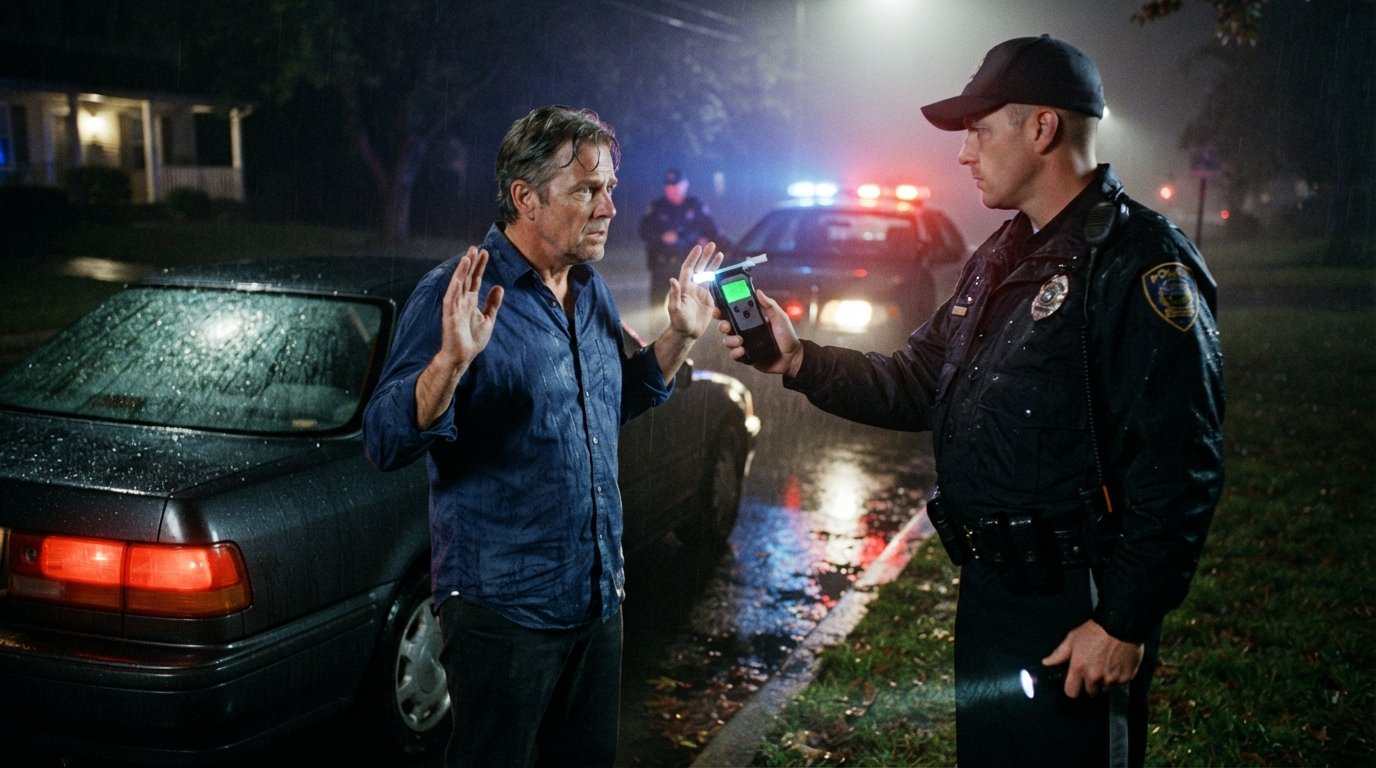
Imagine being pulled over on a Friday night, blowing into a handheld breathalyzer, and seeing a number that changes your life. You know you had only one drink. The machine says otherwise. Before you accept that result as absolute truth, understand this: DUI breathalyzer results challenged through probable cause defense strategies have successfully dismantled prosecutions across the United States. The machine is not infallible, and the traffic stop that led to your test may not have been lawful in the first place.
This article explains how breathalyzer results can be attacked, why probable cause is the foundation of every DUI case, and what steps you should take if you believe your rights were violated. Whether you are facing a first offense or a felony charge, knowing the legal terrain gives you power. If you want to connect with experienced DUI defense attorneys who understand these nuances, a guide to finding the best DUI defense lawyers can point you toward qualified professionals in your area.
Understanding Probable Cause in DUI Stops
Probable cause is the legal standard that allows a police officer to arrest you or search your vehicle. In the context of a DUI stop, the officer must have specific, articulable facts that suggest you were driving under the influence. A hunch, a gut feeling, or a generalized suspicion is not enough. The Fourth Amendment to the U.S. Constitution protects you from unreasonable searches and seizures, and courts take this protection seriously.
What typically establishes probable cause? Officers rely on a combination of observations: erratic driving, bloodshot eyes, slurred speech, the smell of alcohol, fumbling with a license, or admission of drinking. Field sobriety tests (walking a straight line, standing on one leg, following a pen with your eyes) also contribute. If an officer pulls you over without any of these indicators, the entire stop may be unconstitutional, and everything that follows, including breathalyzer results, could be suppressed.
Consider this scenario: An officer sees you leave a bar parking lot at 2:00 a.m. You drive perfectly, signal every turn, and obey the speed limit. The officer pulls you over anyway, claiming your license plate light was dim. During the stop, he smells alcohol and asks you to blow into a breathalyzer. You comply and register a 0.09. In this case, the initial stop may lack probable cause if the license plate light was functioning. A skilled defense attorney can challenge the stop, and if the judge agrees, the breathalyzer result disappears from evidence.
How Breathalyzer Results Can Be Challenged
Even when the stop is lawful, the breathalyzer result itself is vulnerable to attack. These devices, often called Intoxilyzer or Draeger machines, are complex instruments that require precise calibration, maintenance, and operator training. Errors happen. When they do, a DUI breathalyzer results challenged probable cause defense can exploit those errors to undermine the prosecution's case.
Several common challenges arise in DUI breathalyzer cases. First, the machine may not have been properly calibrated within the required timeframe. Most jurisdictions mandate calibration every 30 to 90 days. If the calibration log shows a gap, the result is unreliable. Second, the officer may not have been certified to operate the device or may have administered the test incorrectly. Third, the breath sample itself can be contaminated by mouth alcohol, dental work, or even burping before the test. Fourth, the machine may have a history of false readings, and the manufacturer's software might have bugs that produce inflated numbers.
Another powerful challenge involves the partition ratio. Breathalyzers estimate blood alcohol content by measuring alcohol in your breath and multiplying by 2,100. However, that ratio varies from person to person. Some people have a partition ratio of 1,500, meaning the machine overestimates their BAC by 40 percent. Without a blood test to confirm, the breath result is merely an approximation, and a jury can be taught to question its accuracy.
Chain of Custody and Sample Retention
In many states, breath samples are not retained. The machine simply reports a number and discards the sample. This makes independent verification impossible. If your attorney cannot retest the sample, the prosecution's case rests entirely on the machine's internal calibration and the officer's testimony. A skilled defense can argue that without a retained sample, you are denied the ability to confront the evidence against you.
Chain of custody issues also arise with the simulator solution used to calibrate the machine. If the solution is expired or stored improperly, the calibration is invalid. Defense attorneys routinely request maintenance logs, calibration certificates, and officer training records. When those documents are missing or incomplete, reasonable doubt grows.
Building a Probable Cause Defense Strategy
A probable cause defense does not focus solely on the breathalyzer number. Instead, it attacks the entire sequence of events that led to your arrest. The goal is to show that the officer lacked legal justification at one or more critical stages: the initial stop, the decision to administer field sobriety tests, the arrest, or the request for a breath sample.
Here is a framework that defense attorneys commonly use to evaluate a DUI case:
- Was the initial stop lawful? Officers need reasonable suspicion to pull you over. A broken taillight, speeding, or weaving provides that justification. If the stated reason is false or pretextual, the stop may be invalid.
- Did the officer have probable cause to arrest? Field sobriety tests are voluntary in most states. If you declined them, the officer must rely on other observations. If those observations are weak, probable cause may be lacking.
- Was the breath test request proper? Some states require implied consent warnings before requesting a breath sample. If the officer failed to read those warnings, the test result may be inadmissible.
- Was the machine functioning correctly? Calibration logs, maintenance records, and officer certifications must all be in order. Any gap weakens the prosecution's case.
- Were your constitutional rights violated? If you were not allowed to speak with an attorney before deciding whether to submit to the test, or if you were coerced, the result may be suppressed.
Each of these questions opens a door for cross-examination. A single inconsistency in the officer's report can be enough to create reasonable doubt. For example, if the officer claims you had slurred speech but the dashcam video shows you speaking clearly, the jury may question the entire arrest.
Once the defense identifies weaknesses, it files a motion to suppress evidence. If the judge grants the motion, the breathalyzer result and any statements you made after the illegal stop are excluded. Without that evidence, the prosecution often has no choice but to reduce or dismiss the charges.
Working with a DUI Defense Attorney
Challenging a DUI breathalyzer result requires more than reading a manual. It demands knowledge of local court procedures, relationships with expert witnesses, and experience cross-examining police officers. A qualified DUI defense attorney understands how to request the right documents, how to subpoena maintenance records, and how to present technical arguments in plain language that judges and juries can follow.
When you hire an attorney, you gain access to forensic toxicologists who can explain partition ratios and machine errors. You also get an advocate who can negotiate with the prosecutor from a position of strength. Many DUI cases resolve with reduced charges, such as reckless driving or a lesser offense, especially when the breathalyzer evidence is shaky.
If you are unsure where to start, consider using a free case evaluation service. Platforms like LegalCaseReview connect individuals with top-rated attorneys who handle DUI defense. These services are often free and confidential, and they can help you understand your options without pressure. The sooner you act, the more time your attorney has to investigate and build a defense.
The Role of Field Sobriety Tests and Officer Observations
Probable cause often hinges on field sobriety tests. These tests, including the horizontal gaze nystagmus, walk-and-turn, and one-leg stand, are designed to give officers probable cause to arrest. However, they are not foolproof. Studies show that even sober people can fail these tests due to nerves, medical conditions, or poor instructions.
If the officer did not administer the tests correctly, the results are unreliable. For instance, the walk-and-turn test requires a designated straight line, proper spacing, and specific instructions. If the officer skipped steps or gave confusing directions, the test is invalid. Similarly, the one-leg stand requires the officer to time you for 30 seconds and note specific clues. Any deviation from the standardized procedure weakens the probable cause.
Officer observations are equally attackable. The smell of alcohol can come from mouthwash, breath mints, or a passenger who had been drinking. Bloodshot eyes can result from allergies, fatigue, or contact lenses. Slurred speech might be a speech impediment or nervousness. A good attorney will cross-reference the officer's report with dashcam or bodycam footage to expose inconsistencies.
What to Do If You Are Facing DUI Charges
If you have been charged with DUI, the worst thing you can do is assume the breathalyzer result is final. The legal system offers multiple avenues to challenge that result, and many defendants succeed. Your first step should be to write down everything you remember about the stop: where you were, what the officer said, how many drinks you had, and whether you were offered a chance to speak with an attorney.
Next, request a free consultation with a DUI attorney. Bring any paperwork you received, including the citation, bail documents, and any notices about your license suspension. The attorney will review the evidence, request discovery, and determine whether a probable cause defense or a breathalyzer challenge is viable.
Do not plead guilty at your first court appearance without legal advice. Even if you believe you were intoxicated, the prosecution must prove its case beyond a reasonable doubt. If the stop was unlawful or the machine was faulty, you may be able to avoid a conviction entirely. A DUI on your record can affect your job, your insurance rates, and your freedom. Fighting the charge is worth the effort.
Finally, remember that you are not alone. Thousands of people face DUI charges each year, and many of them successfully challenge the evidence. By understanding how probable cause works and how breathalyzer results can be attacked, you put yourself in a stronger position. Reach out to a qualified attorney today and explore your options. The outcome of your case may depend on how quickly you act and how thoroughly your defense is prepared.