
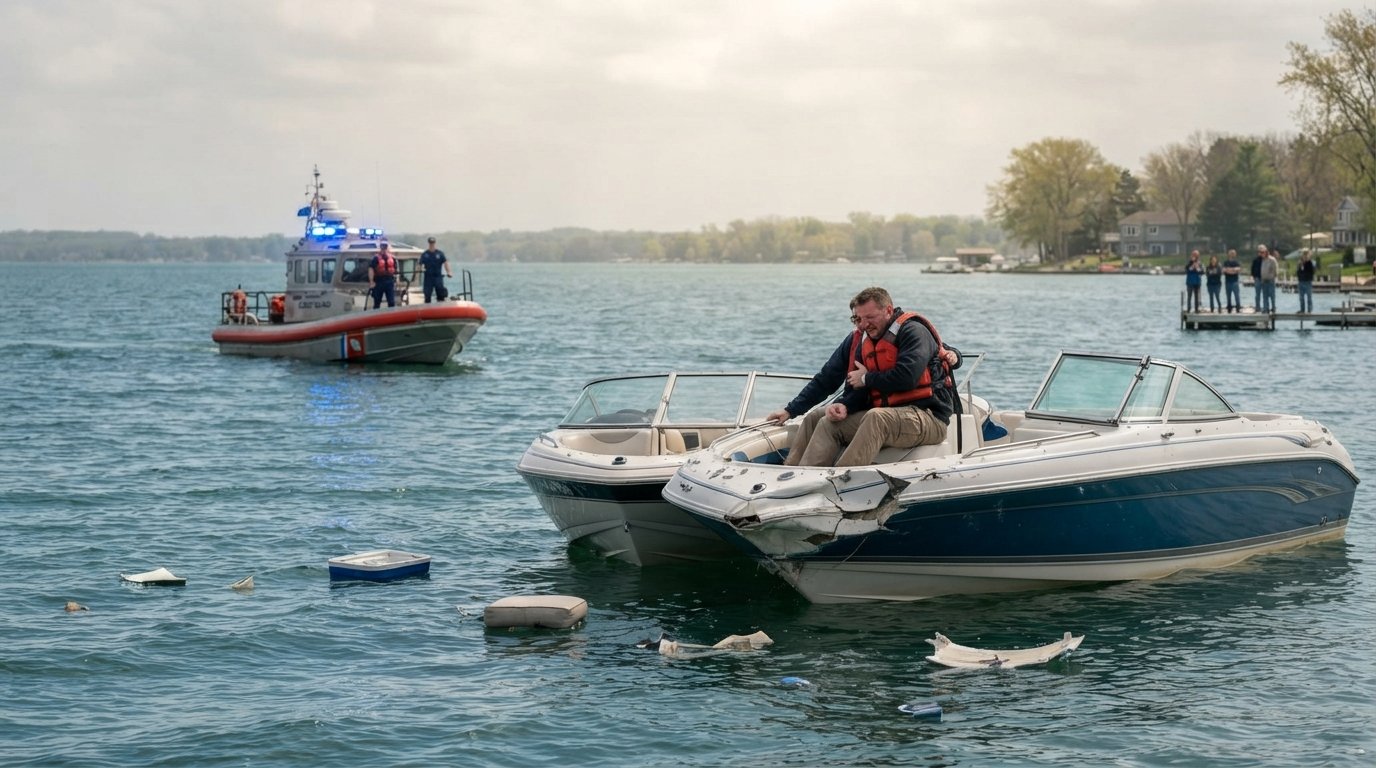
Boating Accident Injury Liability and Compensation Rules
Boating accident injury liability and compensation rules explained, from fault and maritime law to damages. Call (833)-248-4565 for a free case review.

By Esma Laurent
A day on the water can turn tragic in seconds. A sudden collision, a careless operator, or a defective vessel part can leave you with serious injuries, mounting medical bills, and no clear idea of who is responsible. Unlike a car crash on dry land, a boating accident often involves overlapping legal rules, multiple potentially liable parties, and complex questions about which law even applies. Understanding boating accident injury liability and compensation rules is the first step toward protecting your rights and recovering what you deserve.
This guide breaks down how liability is determined after a watercraft crash, when maritime law applies instead of state boating statutes, what damages you can pursue, and what evidence you must preserve. It also explains why speaking with a qualified attorney early can make the difference between a fair settlement and a denied claim.
Who Is Liable for a Boating Accident Injury?
Liability in a boating accident hinges on negligence, meaning someone failed to exercise reasonable care and that failure caused your injury. The operator is often the first party investigators examine, but liability can extend to owners, manufacturers, and even other boaters. Determining fault requires a close look at the events leading up to the crash, the condition of the vessels, and the conduct of everyone involved.
Operator negligence is the most common basis for a boating injury claim. Examples include speeding in a no-wake zone, failing to maintain a proper lookout, operating a vessel while distracted, or ignoring navigational rules. When alcohol or drugs are involved, the operator may face boating under the influence (BUI) charges, and those criminal findings can strengthen a civil injury claim. Owners can also be liable under negligent entrustment theories if they let an inexperienced or intoxicated person operate their boat, or if they knew about a mechanical defect and failed to fix it.
Beyond the people on board, manufacturers and maintenance providers may share responsibility. A defective steering system, a faulty propeller guard, or improperly repaired engine components can cause catastrophic injuries. In those cases, product liability principles apply, and you may have claims against the manufacturer, distributor, or repair shop. Because multiple parties can be liable, identifying all potential defendants early is critical to maximizing your recovery.
If your accident occurred while you were working on or around a vessel, additional rules may apply. For example, employer liability rules can affect how and where you file your claim, especially in maritime employment contexts. An attorney can help you sort through these overlapping theories.
Maritime Law vs. State Boating Law: Which Applies?
One of the most confusing aspects of boating injury claims is choosing the correct legal framework. Maritime law (also called admiralty law) is a body of federal law that governs accidents occurring on navigable waters. State boating laws, by contrast, apply to accidents on non-navigable lakes, rivers, and other waterways within a state's borders. The distinction matters because it affects filing deadlines, damage caps, comparative fault rules, and even the remedies available.
Navigable waters generally include waters that are used or susceptible to use in interstate or foreign commerce. Large rivers, coastal waters, and the Great Lakes typically qualify. Small, landlocked lakes usually do not. If your accident happened on a navigable waterway, federal maritime law likely applies, and you may be able to file a claim in federal court under admiralty jurisdiction. If the waterway is not navigable, state law governs, and you will follow the same personal injury rules that apply to car accidents and other incidents on land.
The differences can be significant. For instance, under general maritime law, the doctrine of comparative fault may reduce your recovery if you were partly at fault, but it usually does not bar recovery entirely. Some state laws follow a stricter contributory negligence rule that can bar recovery if you were even slightly at fault. Similarly, the statute of limitations for maritime claims is often three years, while state deadlines vary widely. Choosing the wrong law can mean missing a deadline or losing access to certain damages.
Because the line between maritime and state law is not always obvious, you should not guess. A lawyer experienced in boating accident injury liability and compensation rules can evaluate your accident location, the vessels involved, and the nature of your injuries to determine the correct legal path. This early assessment can prevent costly mistakes.
Damages You Can Recover After a Boating Accident
If you can establish liability, you may be entitled to compensation for the full range of losses caused by the accident. These damages generally fall into two categories: economic and non-economic. Economic damages cover concrete financial losses, while non-economic damages compensate for intangible harms like pain and suffering.
Common economic damages in boating injury cases include:
- Medical expenses, including emergency care, surgery, rehabilitation, and future medical needs
- Lost wages and lost earning capacity if your injuries prevent you from working
- Property damage to your vessel, equipment, and personal belongings
- Out-of-pocket costs such as transportation to medical appointments and home modifications
Non-economic damages are harder to quantify but equally important. They include pain and suffering, emotional distress, loss of enjoyment of life, and loss of companionship for family members. In cases involving gross negligence or willful misconduct, punitive damages may also be available to punish the wrongdoer and deter similar conduct.
Wrongful death claims may arise when a boating accident results in a fatality. Surviving family members can seek compensation for funeral expenses, loss of financial support, and loss of love and guidance. These claims are subject to specific rules depending on whether maritime or state law applies, so prompt legal guidance is essential.
Insurance coverage also plays a major role in recovery. Recreational boat owners often carry liability insurance, and homeowners policies may provide additional coverage. However, insurers routinely dispute fault and undervalue claims. Having an attorney who understands boating accident injury liability and compensation rules can help you push back against lowball offers and secure the full value of your claim.
Reporting Requirements and Evidence Preservation
After a boating accident, what you do in the hours and days that follow can significantly affect your ability to recover compensation. Federal law requires the operator of a vessel to report certain accidents to the U.S. Coast Guard. Generally, a report is required when an accident results in death, serious injury requiring medical treatment beyond first aid, or property damage exceeding a threshold amount. Many states have their own reporting requirements as well, often with shorter deadlines.
Failing to report an accident can lead to fines and may harm your civil claim by creating the appearance that you did not take the incident seriously. Report the accident promptly to the appropriate authorities, and obtain a copy of the report for your records. This report can serve as valuable evidence of what happened and who was involved.
Evidence preservation is equally critical. Boats and their components can be repaired, altered, or destroyed quickly, so you must act fast to secure physical evidence. Key steps include:
- Photograph and video the damage to all vessels, the accident scene, and any visible injuries.
- Obtain contact information from all witnesses and other parties involved.
- Preserve the boat and any damaged parts; do not authorize repairs before an expert inspects them.
- Keep all medical records, bills, and correspondence related to the accident.
- Request the other operator's insurance information and notify your own insurer promptly.
In maritime cases, there may be additional investigation procedures, such as a marine survey or expert reconstruction of the collision. An attorney can coordinate these efforts and ensure that evidence is not lost. If you are unsure where to start, a free case evaluation with a legal professional can provide clarity without upfront cost. For accidents involving motor vehicles on land, similar principles apply, and resources like AutoInjuryAccident offer free, confidential case reviews for car crash and DUI-related injuries nationwide.
Steps to Take After a Boating Injury
Knowing the right steps after a boating accident can protect your health and your legal rights. First, seek medical attention immediately, even if you feel fine. Injuries such as concussions, internal bleeding, and spinal trauma may not be obvious right away, and a medical record linking your injuries to the accident is essential.
Next, report the accident to the proper authorities and exchange information with the other parties. Do not admit fault or speculate about what happened. Insurance adjusters may contact you quickly, and their statements can be used against you later. Politely decline to give a recorded statement until you have spoken with an attorney.
Then, document everything. Take photos, note witness names, and keep a journal of your symptoms and recovery. Preserve the boat and any damaged equipment. Finally, consult with a lawyer who handles boating accident cases. Many offer free, no-obligation case reviews, so you can understand your options before committing to anything. For a broader look at how injury liability and compensation rules apply, you can request a complimentary case assessment through FreeLegalCaseReview.com.
How an Attorney Can Help with Boating Accident Claims
Boating accident cases often involve complex factual and legal issues that insurance companies exploit to minimize payouts. An experienced attorney can level the playing field. Attorneys investigate the accident, identify all liable parties, work with experts to reconstruct the collision, and negotiate with insurers from a position of strength. They also ensure that you meet all filing deadlines and comply with maritime or state procedural rules.
Perhaps most importantly, an attorney can help you avoid mistakes that could jeopardize your claim. For example, signing a quick settlement offer before your injuries fully manifest can leave you responsible for future medical bills. Similarly, failing to preserve evidence or missing a reporting deadline can weaken or destroy your case. Legal representation helps you navigate these pitfalls and focus on recovery.
Understanding boating accident injury liability and compensation rules is not something you should have to master alone. A free, confidential case evaluation connects you with a qualified attorney who can explain your rights and outline a path forward. Whether your accident occurred on a navigable waterway or a local lake, the right legal guidance can make a meaningful difference in the outcome of your claim. Take action early, preserve your evidence, and get the advice you need to pursue the compensation you deserve.