
Bard PowerPort Catheter Lawsuit Complications and Claims
Learn about Bard PowerPort catheter lawsuit complications, including fractures, infections, and migration. Find out how to file a claim and get compensation.

By Celine Harrow
When a small medical device fails, the consequences can be severe and life-changing. The Bard PowerPort, a port-a-cath used for chemotherapy and other long-term intravenous treatments, has been the subject of thousands of lawsuits. Patients report serious bard powerport catheter lawsuit complications, including device fracture, migration, and life-threatening infections. If you or someone you love has suffered such an injury, understanding your legal rights is the first step toward securing compensation for medical bills, lost wages, and pain and suffering.
This article explains the most common complications associated with the Bard PowerPort, the legal landscape of the ongoing litigation, and how to pursue a claim. We will also discuss the importance of free case evaluations, which can help you understand your options without any upfront cost or obligation.
What Is the Bard PowerPort and Why Is It Dangerous?
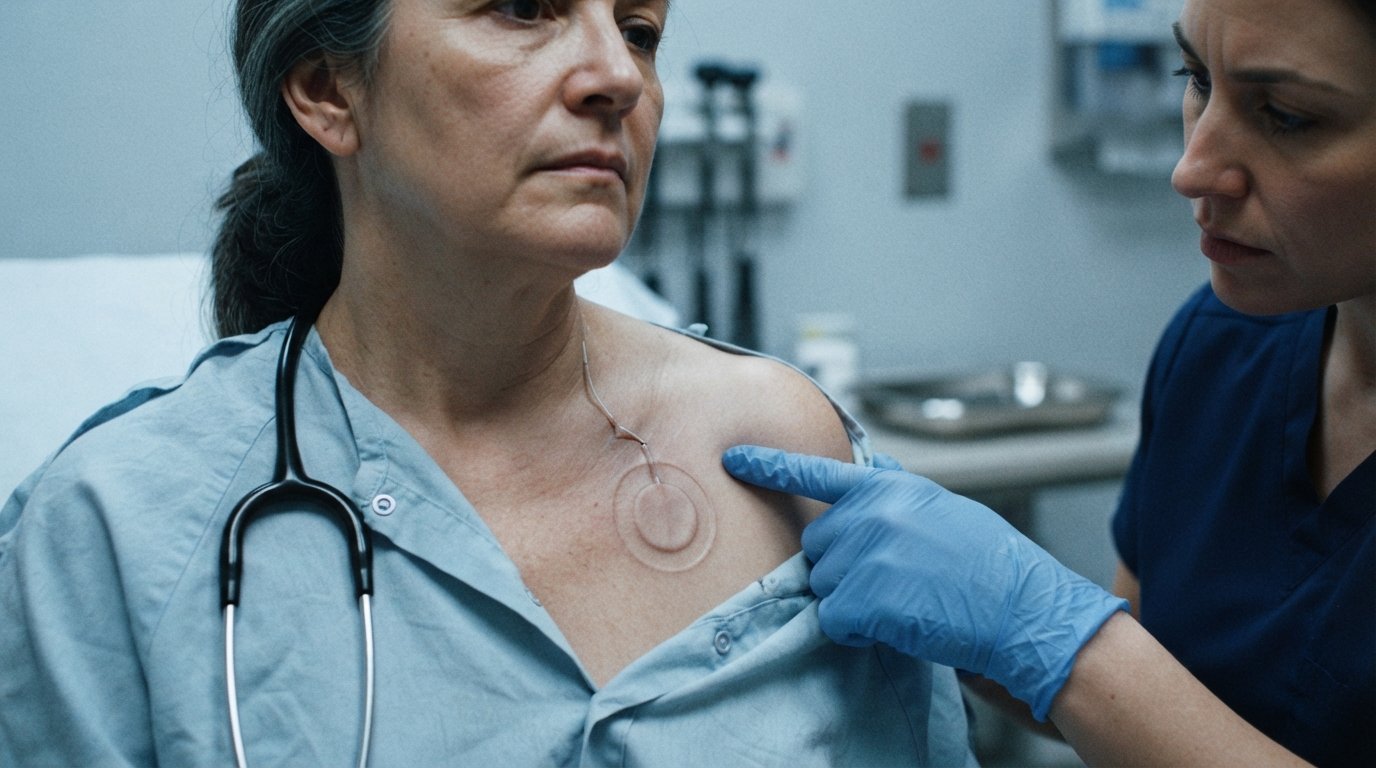
The Bard PowerPort is an implanted medical device designed to deliver chemotherapy, antibiotics, and other medications directly into a patient's bloodstream. It consists of a small plastic or titanium chamber placed under the skin, connected to a catheter that threads into a large vein near the heart. While the device has helped many patients receive treatment, a growing number of adverse event reports and lawsuits allege that the device is prone to serious failures.
The most alarming issue involves catheter fracture and embolization. When the catheter breaks, fragments can travel through the bloodstream to the heart or lungs, causing cardiac perforation, pulmonary embolism, or other critical injuries. In some cases, the entire catheter detaches from the chamber, leading to emergency surgery. Other complications include catheter migration (movement from its original position), blood clots, infections at the implantation site, and device occlusion. These problems can occur months or even years after implantation.
In 2020, the U.S. Food and Drug Administration (FDA) issued a recall of certain Bard PowerPort models due to the risk of catheter fracture. This recall, combined with thousands of individual lawsuits, has led to the creation of a multidistrict litigation (MDL) in the U.S. District Court for the District of Arizona. The MDL consolidates similar cases to streamline discovery and pre-trial motions, although each case remains a separate claim.
Common Complications That Lead to Lawsuits
If you have experienced any of the following complications after receiving a Bard PowerPort, you may have grounds for a lawsuit. The injuries are not just physical; they also carry significant emotional and financial burdens. Below is a list of the most frequently cited bard powerport catheter lawsuit complications:
- Catheter fracture and embolization: The catheter breaks, and pieces travel to the heart or lungs, requiring emergency removal and potentially causing stroke, cardiac damage, or death.
- Catheter migration: The catheter moves from its intended position, leading to improper drug delivery, pain, and the need for revision surgery.
- Deep vein thrombosis (DVT): Blood clots form in the deep veins, often in the arm or chest, increasing the risk of pulmonary embolism.
- Infections: Bacterial or fungal infections can develop at the site or in the bloodstream, leading to sepsis, extended hospital stays, and additional treatments.
- Device occlusion: The catheter becomes blocked, preventing the delivery of life-saving medications and requiring replacement.
Each of these complications can interrupt cancer treatment, lead to additional surgeries, and cause severe pain and anxiety. In the worst cases, they are fatal. Plaintiffs in these lawsuits typically argue that the device was defectively designed, that the manufacturer failed to warn about the risks, and that the product was not safe for its intended use.
It is important to note that not every complication is grounds for a lawsuit. You must be able to show that the device itself was defective, or that the manufacturer, Becton Dickinson (which owns Bard), acted negligently. This is why legal representation is critical. An experienced attorney can review your medical records and determine whether your case has merit.
Who Is Eligible to File a Bard PowerPort Lawsuit?
Eligibility for a Bard PowerPort lawsuit is not limited to patients who suffered a device failure. Family members of deceased patients may also file a wrongful death claim. In general, you may be eligible if you meet any of the following criteria:
- You had a Bard PowerPort implanted and experienced a catheter fracture, migration, or other serious complication requiring surgical intervention.
- You developed a blood clot, infection, or other injury that your doctor links to the PowerPort.
- You had the device removed due to a failure or complication, even if you did not require emergency surgery.
- You are a surviving family member of a person who died from complications related to the Bard PowerPort.
It is not necessary for you to have proof of a recall to file a claim. The recall is simply one piece of evidence that can support your case. Many lawsuits have been filed by patients who experienced complications before the recall was issued.
One of the most important things to understand is the statute of limitations. Each state has a specific time limit for filing a personal injury or product liability lawsuit, usually ranging from one to six years from the date of injury. In some cases, the clock may start from the date you discovered the injury or should have discovered it. Because these deadlines vary, it is wise to speak with an attorney as soon as possible to avoid missing your window.
The Legal Landscape: MDL and Settlement Outlook
The Bard PowerPort litigation has been consolidated into MDL No. 3029 in the District of Arizona. As of 2026, thousands of cases are pending, and the court is managing a complex discovery process. The manufacturer, Becton Dickinson, has denied that the device is defective, but the company has also faced scrutiny over its testing and warning practices.
In many mass tort cases, the MDL process leads to a global settlement after a few bellwether trials. Bellwether trials are test cases selected to help both sides understand how juries are likely to respond to the evidence. A successful plaintiff verdict can push the defendant toward a settlement that covers many cases. However, settlement is not guaranteed, and some cases may proceed to individual trial.
If you are considering a lawsuit, you should be aware that the outcome is uncertain. A strong case based on clear evidence of device failure and injury is more likely to result in a favorable settlement or verdict. This is why it is essential to work with a law firm that has experience in mass tort litigation. They can help you gather the necessary evidence, such as imaging scans that show a fractured catheter, and connect you with expert witnesses.
How to Build a Strong Claim
Building a successful Bard PowerPort lawsuit requires more than just filing paperwork. You need to prove that the device was defective and that this defect caused your injury. Here are the key steps an attorney will typically take:
- Obtain your medical records: This includes all records related to the implantation, any follow-up visits, imaging studies, and the treatment you received for complications.
- Document your injuries: Keep a journal of your symptoms, surgeries, hospital stays, and how the complications have affected your daily life and ability to work.
- Identify the specific device: The model and lot number of your PowerPort may be found in your medical records. This can help establish that your device was subject to the recall.
- Consult with medical experts: An expert can review your records and provide a professional opinion on whether the device failed and whether that failure caused your injury.
- File the lawsuit before the statute of limitations expires: Your attorney will determine the deadline and ensure all documents are filed in a timely manner.
Throughout this process, your attorney will handle all communication with the defendant and the court. You will not need to appear in court for every hearing; many matters are resolved through written submissions and pre-trial conferences. However, you may need to give a deposition, which is a recorded interview under oath, and you may need to testify at trial if your case goes that far.
Why You Need a Free Case Evaluation
If you are reading this article because you or a loved one has suffered a complication from a Bard PowerPort, you may be feeling overwhelmed. You might be wondering whether your case is worth pursuing, how much it will cost, and whether you have the energy to go through a legal battle. This is exactly why a free case evaluation is so valuable.
A free case evaluation is a no-obligation consultation with an attorney or a legal intake service. You provide basic details about your situation, and they assess whether you have a viable claim. This initial review costs you nothing, and it does not commit you to hiring the attorney. It is simply a way to get professional guidance and learn about your options.
For example, a service like LawyerCaseReview can connect you with experienced personal injury attorneys who handle Bard PowerPort cases. They use a patented attorney selection process to match you with top-rated legal professionals in your area. This means you can get a high-quality evaluation without having to research dozens of law firms on your own. You can also use the service to compare attorneys and choose the one you feel most comfortable with.
Compensation You May Be Able to Recover
If your Bard PowerPort lawsuit is successful, you may be entitled to compensation for a range of damages. The exact amount will depend on the severity of your injuries, the impact on your life, and the evidence presented. Common types of compensation include:
- Medical expenses: This includes past and future costs for surgeries, hospital stays, medications, and rehabilitation.
- Lost wages: If your injuries prevented you from working, you can recover the income you lost, as well as any reduction in future earning capacity.
- Pain and suffering: This compensates you for the physical pain and emotional distress caused by the device failure.
- Loss of consortium: Your spouse or family members may be able to claim damages for the loss of your companionship and support.
- Wrongful death damages: In fatal cases, surviving family members can seek funeral expenses, loss of financial support, and loss of companionship.
It is important to be realistic about the potential value of your case. While some plaintiffs have received substantial settlements, others have recovered much less. An attorney can give you a more accurate estimate based on the specifics of your situation.
How to Get Started Today
The process of filing a Bard PowerPort lawsuit can feel daunting, but you do not have to navigate it alone. The first step is to seek a free case evaluation from a qualified legal professional. You can do this by calling the number provided on this page or by visiting a legal referral website. During the evaluation, you will be asked about your medical history, the date of your PowerPort implantation, and the complications you experienced.
Once your case is accepted, your attorney will begin the investigation. They will request your medical records, review the recall information, and consult with experts. You will be kept informed of the progress, and you will not have to pay any legal fees unless you receive a settlement or verdict. Most attorneys in this area work on a contingency fee basis, meaning they take a percentage of the recovery as their fee.
Time is of the essence in any product liability case. Evidence can be lost, witnesses may move, and the statute of limitations could expire. Do not wait to seek legal advice. The sooner you act, the stronger your case is likely to be.
Final Thoughts on Bard PowerPort Lawsuits
Bard PowerPort complications can turn a routine part of cancer treatment into a medical emergency. If you have suffered a fractured catheter, infection, or any other serious complication, you deserve answers and compensation. The law allows you to hold the manufacturer accountable for the harm caused by a defective product.
Remember that you are not alone. Thousands of patients across the country have filed similar claims, and the legal system is equipped to handle these cases. By seeking a free case evaluation and working with an experienced attorney, you can protect your rights and focus on your health and recovery. Take the first step today by reaching out for a confidential consultation. LawyerCaseReview