
At Fault Driver Has No Insurance: Steps to Take
Facing an uninsured driver? Learn what to do if at fault driver has no insurance and how to recover compensation. Call (833)-248-4565 for a free case review.

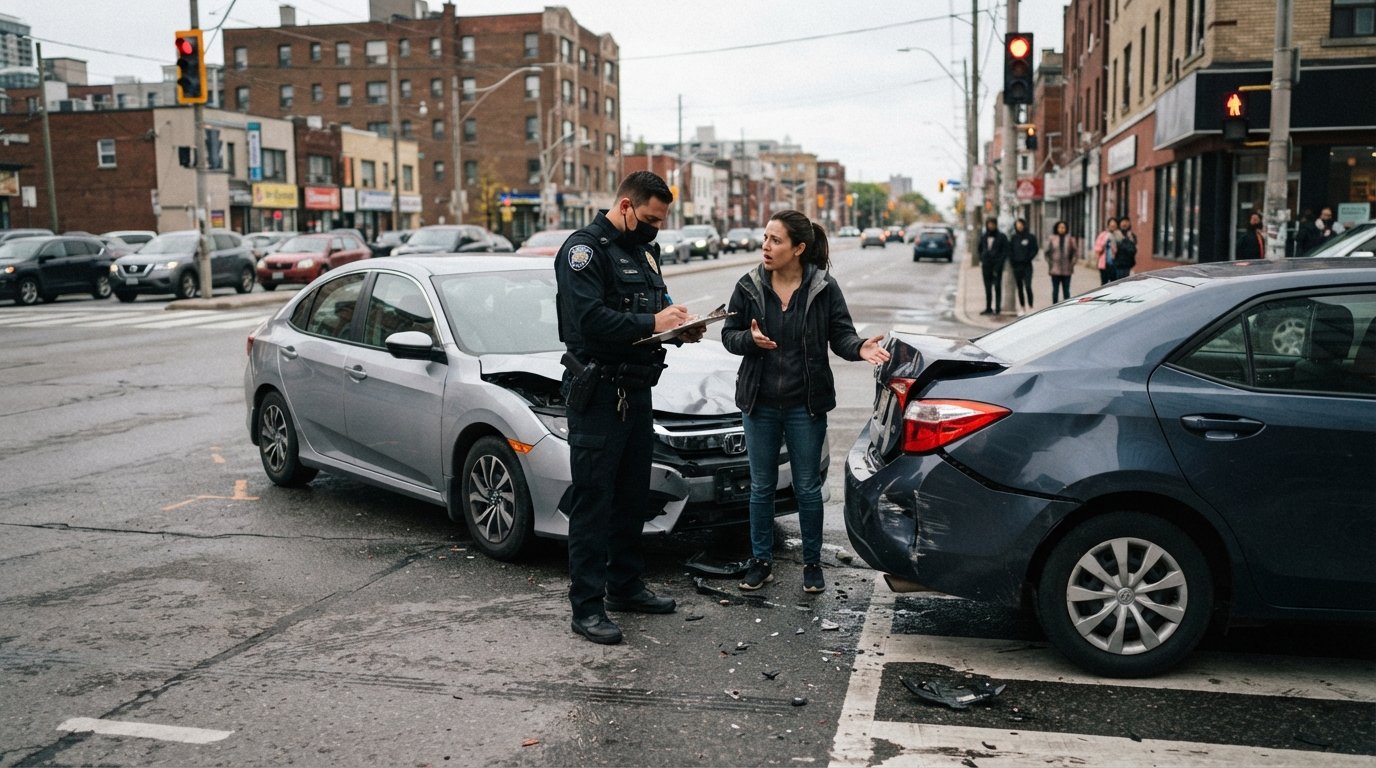
You are rear-ended at a red light. The other driver admits fault, but when the police arrive, they discover the driver has no insurance. Your neck is stiff, your car is damaged, and the at-fault driver has no obvious way to pay. This scenario is more common than you might think. In some states, as many as one in seven drivers is uninsured. Knowing what to do if at fault driver has no insurance can mean the difference between recovering your losses and absorbing them yourself. This guide walks you through the practical, legal, and financial steps to protect your rights when the responsible party cannot pay.
How Uninsured and Underinsured Motorist Coverage Fills the Gap
When the at-fault driver has no liability insurance, your own auto policy may be your best source of compensation. Uninsured motorist (UM) coverage and underinsured motorist (UIM) coverage are optional in many states, but they are designed exactly for this situation. UM coverage pays for your injuries and damages when the other driver has no insurance at all. UIM coverage kicks in when the at-fault driver has insurance, but the limits are too low to cover your total losses.
It is important to understand that UM and UIM coverage typically apply to bodily injury and, in some states, property damage. They do not automatically cover everything. For example, if you have UM coverage with a $50,000 per person limit, that is the maximum your insurer will pay for your injuries, regardless of how high your medical bills climb. Review your declarations page to see what coverage you purchased. If you declined UM/UIM coverage when you bought your policy, you may have limited options, but it is still worth checking because some states require insurers to offer it and you may have signed a waiver.
If you are unsure whether you have UM/UIM coverage, call your insurance agent and ask for a copy of your policy. Look for terms like "uninsured motorist," "underinsured motorist," or "supplementary uninsured/underinsured motorist." Even if you did not purchase it, some states have default coverage unless you explicitly rejected it in writing. Knowing your policy inside and out is the first step toward recovery.
Why State Minimum Liability Limits Often Fall Short of Total Injury Costs
Every state except New Hampshire (with some exceptions) requires drivers to carry a minimum amount of liability insurance. These minimums vary widely. For example, California requires 15/30/5: $15,000 for injury or death per person, $30,000 per accident, and $5,000 for property damage. Texas requires 30/60/25. In Virginia, the minimum is 25/50/20. While these limits may seem adequate for minor fender-benders, they are often woefully insufficient for serious injuries.
A single emergency room visit after a car accident can easily exceed $15,000. If you suffer a fracture, traumatic brain injury, or require surgery, your medical bills can quickly reach six figures. The at-fault driver's minimum policy will pay only up to its limit, leaving you with substantial unpaid expenses. Even if the other driver has insurance above the minimum, many people carry only the bare minimum required by law to save on premiums. As a result, underinsured motorist situations are just as common as uninsured ones.
This is why UM/UIM coverage is so valuable. It steps in when the at-fault driver's liability limits are exhausted. Without it, you may have to pursue the at-fault driver personally, which often leads to a dead end if they have few assets. Understanding the gap between minimum limits and actual costs is essential when deciding what to do if at fault driver has no insurance or insufficient insurance.
Steps to File an Uninsured Motorist Claim with Your Own Insurer
Filing a UM claim is similar to filing a regular auto insurance claim, but there are important nuances. Your insurer will investigate the accident just as it would if you were claiming against the other driver's policy. However, because your insurer is now the one paying, it may scrutinize your claim more closely. Follow these steps to protect your rights and build a strong claim.
- Report the accident to your insurer promptly. Most policies require you to notify your insurer within a reasonable time, often 24 to 72 hours. Call your agent or the claims hotline and state clearly that the at-fault driver was uninsured or underinsured. Provide the police report number and the other driver's information.
- Document everything. Take photos of the damage to all vehicles, the accident scene, and any visible injuries. Collect contact information from witnesses. Keep copies of the police report, medical records, and receipts for any expenses related to the accident. Your insurer will want to see evidence that the other driver was at fault and that your damages are legitimate.
- Cooperate with the investigation but be cautious with statements. Your insurer may ask for a recorded statement. You are required to cooperate with your own insurer, but you should stick to the facts and avoid speculating about fault or the extent of your injuries. If you are unsure, consult an attorney before giving a recorded statement.
- Submit a demand package. Once your medical treatment is complete or you have a clear picture of your injuries, submit a demand letter to your insurer that outlines the accident, liability, your injuries, medical expenses, lost wages, and pain and suffering. Include supporting documentation. This is where having an attorney can make a significant difference in the outcome.
After you file, your insurer may make an initial offer. Do not accept the first offer without evaluating it carefully. UM claims often involve negotiations, and having a lawyer can help you avoid undervaluing your claim. Remember that your insurer has a duty to act in good faith, but it is still a business. For a more detailed overview of how these claims work, see our guide on what happens if the at fault driver has no insurance.
What Happens If the At-Fault Driver Has No Assets or Coverage at All
Sometimes the at-fault driver has neither insurance nor any assets worth pursuing. In that case, suing the driver may result in a judgment that is uncollectible. However, that does not mean you are entirely without options. Your UM coverage is still available if you have it. If you do not have UM coverage, you may be able to recover from other sources, such as your health insurance (for medical bills) or your own collision coverage (for vehicle damage).
If you are considering a lawsuit against the at-fault driver, weigh the costs and benefits. Litigation can be expensive and time-consuming, and even if you win, collecting the judgment may be impossible if the driver has no income or assets. An attorney can help you evaluate whether the driver has any attachable assets, such as a home, a job with garnishable wages, or other property. In some cases, the driver may have assets that are not immediately obvious, and a lawyer can conduct asset searches.
Another angle is to look for other responsible parties. For example, if the at-fault driver was working at the time of the accident, their employer might be liable under respondeat superior. If the driver was operating a commercial vehicle, the trucking company may have insurance. If a bar served alcohol to an obviously intoxicated driver, dram shop laws might apply. These additional defendants can provide a source of compensation even if the driver is judgment-proof. A free case evaluation with an experienced attorney can help you identify all potential defendants and insurance policies that might apply.
When a Free Case Evaluation Can Clarify Recovery Options
Dealing with an uninsured or underinsured driver can be overwhelming, especially if you are injured and facing mounting medical bills. A free case evaluation with a personal injury attorney can provide clarity. During this no-obligation consultation, an attorney will review the facts of your accident, your insurance policy, and the at-fault driver's coverage (or lack thereof). They can explain your options under your UM/UIM coverage, assess whether other parties might be liable, and help you decide whether to pursue a lawsuit.
FreeLegalCaseReview.com offers a free, confidential case evaluation service that connects you with top personal injury attorneys. Their patented attorney selection process helps match you with lawyers who have experience in uninsured motorist claims and can maximize your recovery. There is no obligation to retain, and the evaluation is completely free. If you are wondering what to do if at fault driver has no insurance, starting with a free case review can give you the information you need to make an informed decision.
For those who prefer to explore low-cost legal options, CheapInjuryLawyer provides a free case review and attorney-matching service. It connects injury victims with participating attorneys, many of whom work on contingency, so you pay nothing unless you win. This can be a valuable resource if you are concerned about legal costs.
In the end, the most important thing is to act quickly. Insurance policies have deadlines for filing claims, and evidence can disappear. Whether you handle the claim yourself or hire an attorney, understanding your rights and the available coverage is the key to protecting your financial future after an accident with an uninsured driver.