
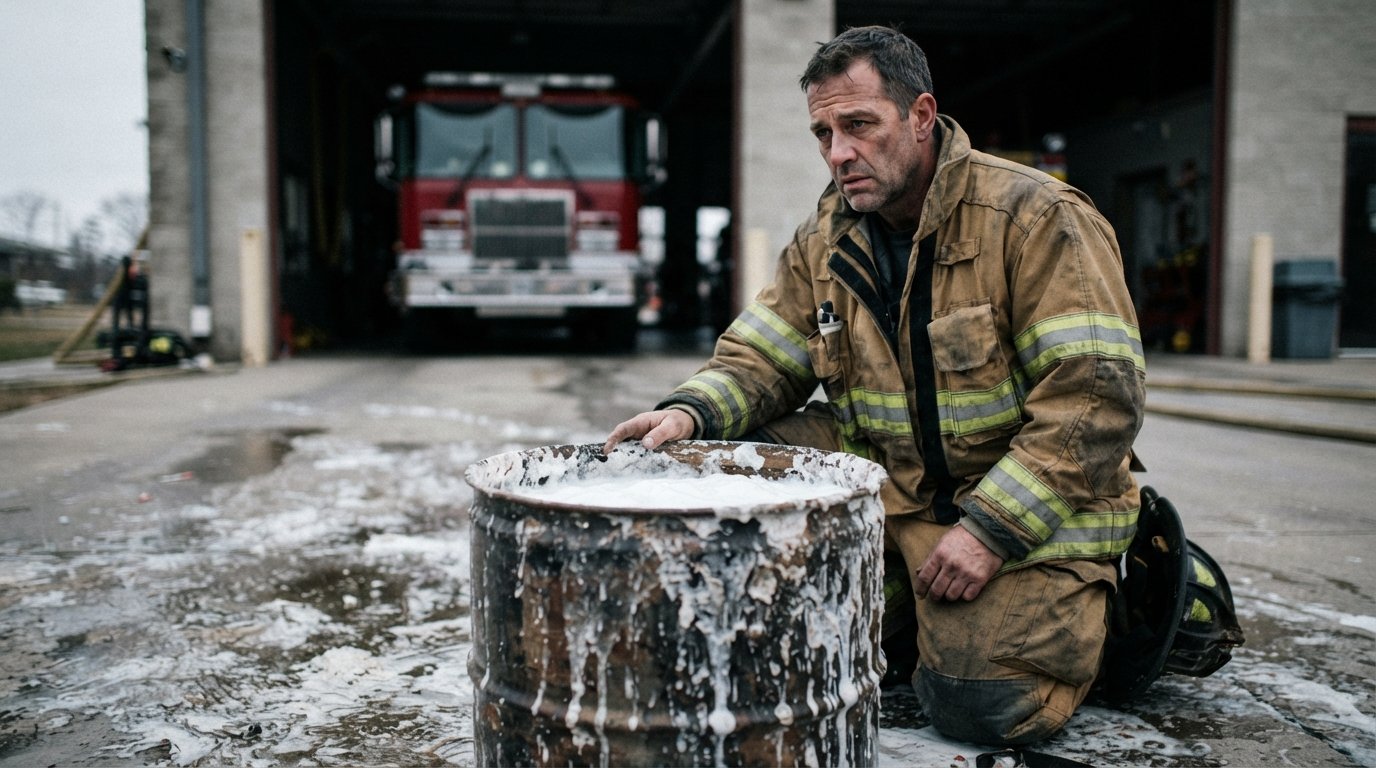
AFFF Foam Cancer Types Covered by Firefighter Lawsuits
Learn which AFFF firefighter foam cancer types are covered by lawsuit, from kidney to thyroid cancer. Call (833)-248-4565 for a free case review.

By Aurelia Finch
Firefighters who spent years training with aqueous film-forming foam (AFFF) now face a troubling question: did those exposures cause their cancer? Thousands of firefighters, military personnel, and airport workers have filed lawsuits claiming that PFAS chemicals in AFFF are linked to kidney, testicular, thyroid, and other cancers. If you or a loved one wore turnout gear, worked at a base firehouse, or used foam during drills, understanding which cancer types are covered by the AFFF firefighter foam lawsuits is the first step toward protecting your legal rights.
Which Cancers Are Named in AFFF Litigation?
The AFFF firefighter foam cancer types covered by lawsuit generally fall into several categories based on scientific studies and plaintiff allegations. The most frequently cited cancers in the ongoing multidistrict litigation (MDL) include kidney cancer, testicular cancer, thyroid cancer, and several others. These claims stem from years of PFAS exposure at fire training sites, military bases, and industrial facilities where AFFF was used extensively.
Kidney cancer, particularly renal cell carcinoma, is one of the strongest claims in AFFF litigation. Studies have shown that PFAS chemicals accumulate in the kidneys and may increase the risk of renal tumors. Testicular cancer, especially among younger firefighters, is another well-documented cancer type in these lawsuits. Thyroid cancer and thyroid disease also appear frequently, as PFAS can disrupt endocrine function. Other cancers named in AFFF firefighter foam cancer lawsuits include bladder cancer, liver cancer, pancreatic cancer, prostate cancer, and breast cancer. Some plaintiffs also allege non-cancer conditions such as ulcerative colitis and high cholesterol, though the focus here is on cancer types.
It is important to note that the science around PFAS and cancer is still evolving, but the legal landscape has already recognized these connections. The AFFF MDL, consolidated in the U.S. District Court for the District of South Carolina, includes thousands of cases alleging that manufacturers knew about the dangers of PFAS and failed to warn users. If you have been diagnosed with any of these cancers after occupational AFFF exposure, you may be eligible to file a claim.
How PFAS Exposure at Fire Training Sites Builds a Claim
Building a successful AFFF firefighter foam cancer claim requires establishing a clear link between your cancer diagnosis and PFAS exposure. Firefighters are exposed to PFAS through multiple routes: skin contact with foam, inhalation of aerosols during training, and ingestion of contaminated water at fire stations. Training sites, in particular, often had repeated discharges of AFFF into the ground, contaminating soil and groundwater for decades.
To strengthen your claim, you and your attorney will need to document your exposure history. This includes identifying the specific fire training sites where you worked, the years of your service, and the types of foam used. Many military bases and airports have been identified as PFAS contamination sites, and your presence at those locations can be corroborated through service records, training logs, and station assignments. The more detailed your exposure record, the stronger your case.
If you are unsure whether your service records are sufficient, a free AFFF firefighter foam cancer lawsuit eligibility review can help you determine if you qualify. Legal professionals experienced in mass torts can obtain military records, fire department employment files, and environmental testing data to support your claim. They can also connect your cancer diagnosis to the specific PFAS compounds found at your worksite.
Documenting Service Records and Base or Firehouse Exposure History
One of the most critical steps in an AFFF firefighter foam cancer lawsuit is gathering evidence of your exposure. Your service records are the backbone of your claim. For military firefighters, this means obtaining your DD-214, training records, and any documentation of firefighting duties. For civilian firefighters, employment records, station logs, and training certificates can establish your presence at contaminated sites.
You should also document the specific firehouses and training grounds where you worked. Many fire departments used AFFF for live fire drills, and these sites may have been contaminated with PFAS. If you remember the names of the bases or stations, provide them to your attorney. Environmental reports and government studies may already exist for those locations, which can be used as evidence. Additionally, any medical records linking your cancer to PFAS exposure, such as blood tests showing elevated PFAS levels, can be powerful evidence.
If you are a family member filing on behalf of a deceased firefighter, you will need to provide death certificates, autopsy reports, and proof of the firefighter's service. Wrongful death claims are also part of the AFFF litigation, and surviving family members may be entitled to compensation for loss of companionship, funeral expenses, and other damages.
MDL Settlement Structure and How Payouts Are Allocated
The AFFF litigation has already seen significant settlements. In 2023, major chemical manufacturers agreed to pay billions of dollars to resolve claims brought by municipalities and water districts over PFAS contamination. However, personal injury claims by firefighters and other individuals are still being litigated. The MDL structure allows individual claims to be grouped together for pretrial proceedings, but each plaintiff's case is evaluated on its own merits.
When it comes to settlement payouts, several factors influence how much a claimant may receive. These include the type of cancer, the severity of the illness, the length and intensity of exposure, the plaintiff's age, and the strength of the evidence. Cancers with stronger scientific links to PFAS, such as kidney and testicular cancer, may command higher settlements. The MDL process also involves bellwether trials, which are test cases that help both sides gauge the value of claims and can lead to global settlements.
If you are considering filing a claim, it is important to understand that you do not need to pay upfront legal fees. Most mass tort attorneys work on a contingency fee basis, meaning they only get paid if you win. A free case evaluation can help you understand your options and the potential value of your claim. Many law firms also advance the costs of obtaining records and expert testimony, which can be substantial.
For those who have suffered injuries beyond cancer, such as liver damage or immune system disorders, the same legal process applies. The AFFF firefighter foam cancer types covered by lawsuit are not limited to the most common ones; if you have a diagnosed condition that your doctor links to PFAS exposure, it is worth discussing with an attorney.
Steps to Take If You Believe You Have an AFFF-Related Cancer
If you have been diagnosed with cancer and believe it may be related to AFFF exposure, there are several steps you should take to protect your legal rights. First, seek medical treatment and keep all medical records. Second, gather your service records and any documentation of your firefighting duties. Third, avoid signing any releases or waivers from insurance companies without legal advice. Finally, consult with an attorney who specializes in mass torts and AFFF litigation.
When you contact a legal professional, be prepared to provide details about your diagnosis, your work history, and the specific fire training sites you attended. A free case evaluation will help you understand whether you have a viable claim and what to expect during the legal process. Time is of the essence, as statutes of limitations vary by state and can affect your ability to recover compensation.
If you are also dealing with injuries from a car accident or other personal injury matter, resources like CarInjuryAccident can connect you with attorneys who handle those cases. However, for AFFF-related cancers, it is best to work with a firm experienced in mass tort litigation.
Why Choosing the Right Legal Representation Matters
The AFFF firefighter foam cancer lawsuits are complex and involve extensive scientific evidence, corporate defendants with vast resources, and a multi-district litigation process. Having an experienced attorney on your side can make a significant difference in the outcome of your case. Attorneys who specialize in mass torts understand the nuances of PFAS exposure, the medical literature linking PFAS to cancer, and the strategies used by defendants to minimize payouts.
When selecting an attorney, look for a firm with a proven track record in AFFF litigation and the resources to handle large-scale cases. Many firms offer free consultations and work on contingency, so you can evaluate your options without financial risk. Be wary of firms that pressure you to sign immediately or make unrealistic promises about settlement amounts. A reputable attorney will explain the process, answer your questions, and give you a realistic assessment of your claim.
If you are a firefighter or a family member of a firefighter who has been diagnosed with cancer, do not wait to seek legal help. The AFFF firefighter foam cancer types covered by lawsuit are serious, and the legal process can take time. Early action can help preserve evidence and ensure that your claim is filed within the applicable deadlines.
Understanding the cancers covered by AFFF lawsuits is essential for firefighters and their families. From kidney and testicular cancer to thyroid and bladder cancer, the litigation is broad and continues to evolve. By documenting your exposure, seeking medical attention, and consulting with a qualified attorney, you can take control of your legal rights and pursue the compensation you deserve.